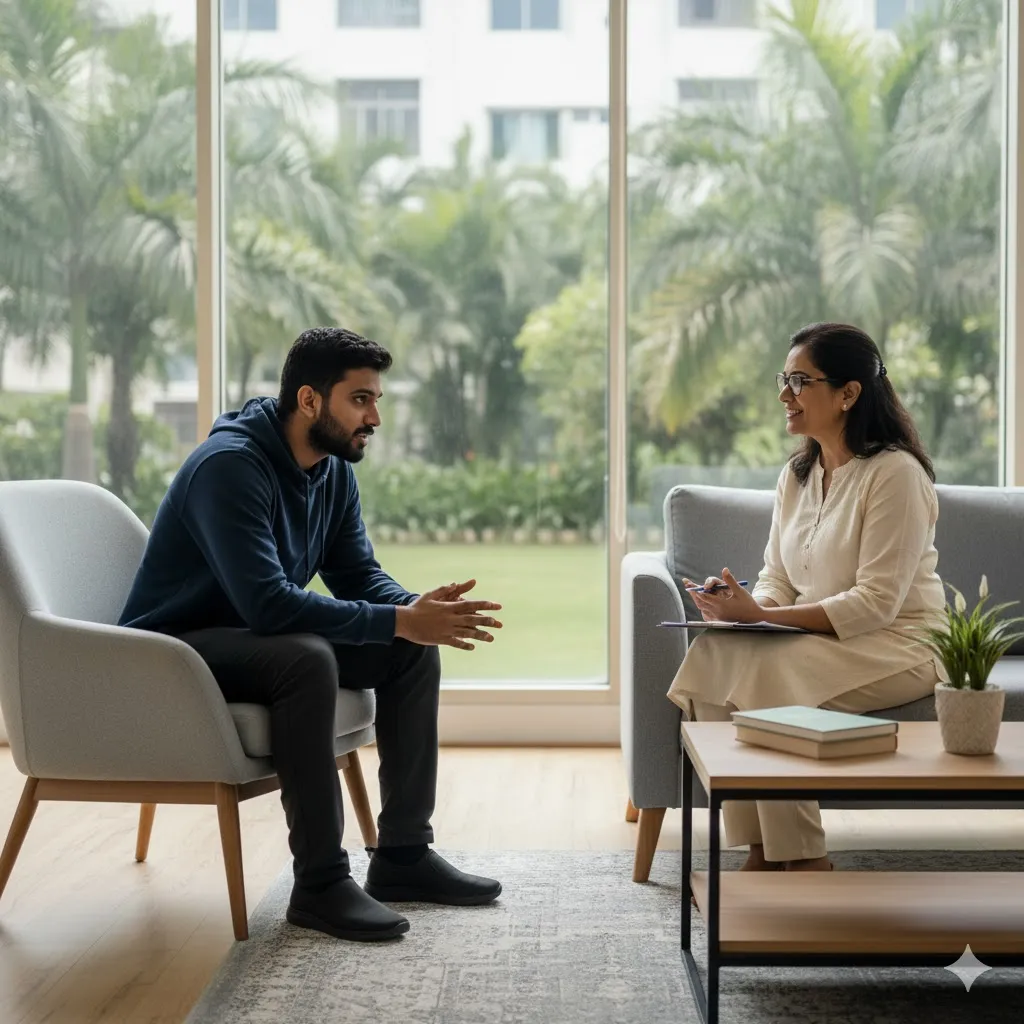
In recent years, mental health has moved from being an unspoken topic to a much-needed conversation in India. Yet, despite growing awareness, millions of people continue to struggle in silence, often due to stigma, misinformation, or lack of access to care.
As one of the best rehabilitation centres in Mumbai, Pune, and Kolkata, ZorbaCare strongly believes that mental health is not a privilege – it’s a necessity. Every person deserves understanding, support, and access to the right help. True recovery, whether from addiction, trauma, or emotional distress, can only happen when mental well-being is prioritized.
Understanding Mental Health: Beyond the Myths
For decades, mental health in India has been surrounded by stigma and misconceptions. People are often told to “stay strong” or “think positive,” when what they truly need is empathy and professional guidance.
Mental health isn’t limited to conditions like depression or anxiety; it’s about how we think, feel, and behave in everyday life. It shapes how we handle stress, make decisions, and connect with others. When mental health is compromised, every aspect of life – work, relationships, and physical health—is affected.
Rehabilitation centres in Mumbai and Pune often meet individuals who seek help for addiction but also show signs of untreated mental health disorders. Addressing both is crucial for long-term healing.
The Silent Crisis: Why India Needs Urgent Awareness
According to data from the National Mental Health Survey, nearly 1 in 7 Indians suffers from some form of mental health issue. Yet, less than 20% of them receive professional help. The reasons?
- Social Stigma: Mental illness is still seen as a sign of weakness or “madness.”
- Lack of Access: Many areas still lack access to quality psychiatric or counseling services.
- Limited Awareness: Most people fail to recognize symptoms or don’t know where to seek help.
- Workplace Pressure: Stress, burnout, and isolation are rising rapidly, especially among urban professionals.
Without awareness, individuals continue to suppress symptoms—often turning to alcohol, drugs, or other coping mechanisms. This, in turn, fuels the growing demand for rehabilitation centres in India, where treatment focuses on both mental health and addiction recovery.
The Connection Between Addiction and Mental Health
Addiction and mental health are two sides of the same coin. Conditions like depression, anxiety, or post-traumatic stress disorder (PTSD) often lead individuals to self-medicate using substances. Over time, this creates dependency, while the original emotional pain remains untreated.
This dual challenge is known as dual diagnosis. Treating addiction without addressing underlying mental health issues often leads to relapse. That’s why rehab programs in Mumbai and Pune follow an integrated approach where psychiatrists, psychologists, and therapists work together to treat the root causes, not just the symptoms.
By tackling both addiction and emotional distress, recovery becomes more sustainable and transformative.
Why Mental Health Awareness Must Start Early
Mental health education must begin at home, in schools, and in workplaces. Teaching children and young adults about emotional resilience, empathy, and coping mechanisms can prevent future struggles.
Similarly, workplaces should encourage open conversations and mental health check-ins. Simple actions, such as offering counseling services or stress-relief programs, can have a lasting impact.
Early intervention doesn’t just help individuals; it strengthens communities. When mental health becomes a shared responsibility, healing becomes easier and stigma begins to fade.
How Society Can Drive Change
Creating awareness isn’t the responsibility of professionals alone. Every individual can contribute to normalizing conversations around mental health. Here’s how:
- Speak Openly: Share your own experiences or encourage others to discuss their emotions without fear of shame.
- Use Positive Language: Avoid derogatory terms like “crazy” or “unstable.”
- Support Friends and Family: A listening ear can often be more potent than advice.
- Encourage Professional Help: Guide loved ones toward certified therapists or centres.
- Promote Awareness Programs: Schools, NGOs, and corporates should conduct regular workshops and sessions.
Small, consistent actions lead to large-scale cultural change.
The Role of Media and Technology
Social media and digital platforms can be powerful tools for spreading awareness—if used responsibly. Influencers, educators, and mental health advocates can use their reach to dispel myths and share authentic stories of recovery.
At the same time, responsible media representation is vital. News and entertainment outlets must avoid sensationalism and instead focus on stories that educate, empower, and inspire empathy.
ZorbaCare continues to contribute to this mission by sharing educational resources, expert insights, and real recovery stories through its online platforms; making credible mental health information more accessible to all.
ZorbaCare’s Integrated Approach to Mental Wellness
At ZorbaCare, we understand that true healing happens only when the mind and body are in balance. Our rehabilitation centres in Mumbai, Pune, and Kolkata offer comprehensive mental wellness programs that include:
- Psychiatric Evaluations – To identify underlying mental health conditions.
- Therapy & Counseling – Including CBT, DBT, mindfulness, and trauma therapy.
- Holistic Healing – Through yoga, meditation, and wellness routines.
- Aftercare Support – For continued emotional growth post-rehabilitation.
Our multidisciplinary team ensures that every patient receives personalized care, helping them rediscover clarity, strength, and purpose.
The Path Forward: Making India Mentally Healthier
The time to act is now. The pandemic has further emphasized the importance of emotional well-being. India needs more trained professionals, community outreach, and policy support to make mental health accessible to everyone.
We must remember that seeking help is not a sign of weakness; it’s a courageous step toward strength.
At ZorbaCare, we remain committed to leading this change by offering evidence-based treatment and compassionate care, empowering individuals and families to reclaim their mental wellness.
Conclusion: Let’s Build a Future Without Stigma
A healthy mind builds a healthy society. The more we talk about mental health, the more we normalize it. Whether it’s through education, awareness campaigns, or support systems, every effort counts.
ZorbaCare continues to advocate for a future where no one hesitates to seek help where mental health is treated with the same importance as physical health, and where compassion replaces judgment.
Let’s create an India where healing is holistic, accessible, and stigma-free.