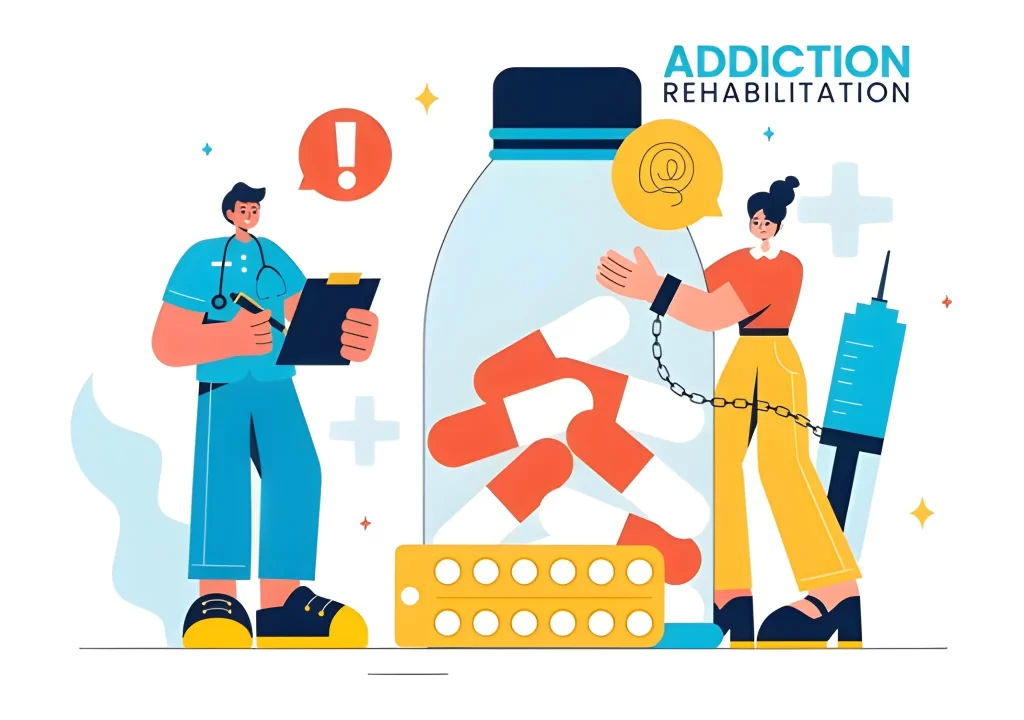

Alcohol addiction is a pervasive issue that affects millions worldwide, disrupting lives, relationships, and careers. While casual drinking may seem harmless to some, prolonged and uncontrolled consumption can evolve into a chronic condition known as Alcohol Use Disorder (AUD). This disorder is more than a habit—it is a complex combination of physical dependence, psychological triggers, and social influences. Recovery from alcohol addiction is not a simple act of willpower; it requires structured, professional intervention. Alcohol de-addiction programs provide a comprehensive approach to treatment, ensuring individuals not only achieve sobriety but also maintain it in the long term.
Understanding Alcohol Addiction
Alcohol addiction is a multifaceted condition. Individuals suffering from AUD often experience compulsive alcohol consumption, inability to control drinking, and withdrawal symptoms when they attempt to quit. These symptoms can include anxiety, sweating, nausea, and in severe cases, life-threatening seizures. Beyond physical dependence, alcohol addiction frequently coexists with mental health disorders such as depression, anxiety, or post-traumatic stress disorder (PTSD). Ignoring these underlying issues can make recovery incomplete and relapse more likely.
Recovery, therefore, demands a holistic approach—one that addresses not only the physical aspects of addiction but also the psychological and emotional triggers that fuel it. Alcohol de-addiction programs are designed to provide exactly this.
The Role of Alcohol De-Addiction Programs
1. Medical Detoxification
The first step in recovering from alcohol addiction is detoxification, a process that helps the body rid itself of alcohol safely. Alcohol detox can be physically and mentally challenging due to withdrawal symptoms that can sometimes be severe. Attempting detox without professional guidance increases the risk of complications and relapse.
A structured program, such as those offered in Drug Detox Bangalore facilities, ensures that individuals are closely monitored by medical professionals throughout the process. Medications may be administered to ease withdrawal symptoms, and continuous supervision guarantees safety and support. Detox is the foundation of recovery—it prepares the mind and body for the more intensive therapeutic phases that follow.
2. Therapeutic Interventions
Once detox is complete, therapy plays a central role in preventing relapse. Alcohol rehab Bangalore programs often include a combination of therapeutic approaches tailored to individual needs. Cognitive-behavioral therapy (CBT) is widely used to help individuals identify triggers, recognize negative thought patterns, and develop healthier coping mechanisms.
Group therapy sessions provide a platform for sharing experiences and building social support, while individual counseling allows for personalized attention to underlying emotional issues. In some cases, family therapy is incorporated to repair relationships strained by addiction. These interventions are critical in fostering long-term behavioral change and emotional resilience.
3. Dual Diagnosis Treatment
Many individuals seeking help for alcohol addiction also struggle with mental health disorders. Dual diagnosis treatment addresses both conditions simultaneously. Without treating co-occurring mental health issues, recovery from alcohol addiction may remain incomplete, and the likelihood of relapse increases. By combining mental health care with addiction treatment, programs in Alcohol de-addiction Bangalore ensure comprehensive recovery.
Benefits of Alcohol De-Addiction Programs
1. Structured and Supportive Environment
One of the most significant advantages of enrolling in a de-addiction program is the structured environment it provides. Inpatient facilities remove individuals from triggers found in their daily lives, creating a safe and controlled space focused entirely on recovery. This structured approach allows patients to concentrate on healing both physically and mentally.
2. Access to Expert Guidance
Professional Drug rehab Bangalore centers are staffed with experienced doctors, therapists, and counselors who understand the nuances of addiction. Expert guidance ensures patients receive evidence-based treatment and personalized care tailored to their specific situation.
3. Peer Support and Community
Recovering alongside others facing similar challenges fosters a sense of community. Peer support is a cornerstone of successful rehabilitation. Groups like Alcoholics Anonymous (AA) provide encouragement, accountability, and a shared platform to navigate the complexities of recovery.
4. Skill Development and Relapse Prevention
De-addiction programs go beyond immediate recovery—they focus on life after rehab. Patients are trained in stress management, communication skills, and coping strategies to deal with triggers. Learning these skills is essential to maintaining sobriety and preventing relapse in everyday life.
5. Holistic Approach to Wellbeing
Modern Best rehab center Bangalore facilities adopt a holistic approach that includes nutrition, exercise, mindfulness, and emotional therapy. These practices not only strengthen the body but also help stabilize emotions, improve mental health, and enhance overall quality of life.
The Importance of Aftercare
Recovery does not end when the formal program concludes. Aftercare services are crucial for sustaining long-term sobriety. Programs often include follow-up counseling, support groups, and ongoing monitoring to help individuals navigate post-rehab challenges. Research consistently shows that patients who actively participate in aftercare programs are less likely to relapse and more likely to maintain lifelong recovery.
Choosing the Right Rehabilitation Center
Selecting an appropriate rehabilitation facility can significantly impact the success of recovery. Factors to consider include:
- Accreditation and Licensing: Ensure the center meets regulatory standards and maintains high-quality care.
- Qualified Staff: Look for centers with experienced medical professionals, counselors, and therapists.
- Comprehensive Programs: The facility should offer detox, therapy, aftercare, and specialized services for co-occurring disorders.
- Supportive Environment: A safe, compassionate, and non-judgmental atmosphere is essential for effective recovery.
Facilities such as De-addiction center Bangalore and Rehabilitation center in Bangalore focus on providing personalized care to address both physical dependence and underlying emotional issues.
Conclusion
Alcohol addiction is a complex condition requiring more than simple abstinence to overcome. Comprehensive alcohol de-addiction programs provide medical detoxification, therapeutic interventions, dual diagnosis treatment, skill development, and aftercare—forming a roadmap for sustainable recovery. By choosing a structured and supportive program, individuals can break free from the cycle of addiction, rebuild their lives, and achieve long-term sobriety. The combination of professional guidance, peer support, and life skills training ensures that recovery is not just temporary but lasting.
About Zorbacare
Zorbacare is a trusted rehabilitation center in Bangalore offering specialized programs for alcohol and drug addiction. With experienced medical professionals, personalized care plans, and holistic treatment approaches, Zorbacare helps individuals achieve lasting recovery. To learn more about their services and programs, explore Zorbacare’s Rehabilitation Center in Bangalore.