Mental health and addiction were once subjects brushed under the rug in Indian society. For decades, individuals battling anxiety, depression, or substance dependency suffered in silence due to stigma, lack of access to care, and limited understanding of these issues. But over the past few years, tides have turned. Conversations around mental health are no …


Mental health and addiction were once subjects brushed under the rug in Indian society. For decades, individuals battling anxiety, depression, or substance dependency suffered in silence due to stigma, lack of access to care, and limited understanding of these issues. But over the past few years, tides have turned. Conversations around mental health are no longer confined to specialists; they have entered living rooms, schools, workplaces, and political discussions. As India gradually embraces this shift, a vital question arises: are rehab centers in India evolving to meet the growing demand for holistic, effective care?
The short answer? Yes but the transformation is layered, ongoing, and uneven. Let’s reflect on our progress and see what the future holds.
A Cultural Shift: From Shame to Support
One of the most significant changes has been the public perception of mental health and addiction. From Bollywood celebrities opening up about their struggles to government led campaigns on emotional wellness, India is finally acknowledging the importance of mental well being. The younger generation is more open to therapy, psychiatric intervention, and holistic healing methods.
This shift in mindset has fuelled the need for advanced rehabilitation models ones that go beyond temporary detoxification and instead focus on long-term recovery, personalized care, and reintegration into society.
From Traditional to Holistic: The New Rehab Approach
Historically, most rehabilitation centers in India followed a clinical, almost impersonal model one size fits all treatment plans, heavy reliance on medication, and minimal attention to the root causes of addiction or mental distress. But today’s leading facilities are embracing an integrative approach that combines medical science with holistic wellness.
These new age programs may include a mix of:
- Psychiatric evaluation and diagnosis
- Behavioral therapies like CBT and DBT
- Individual and group counselling
- Family therapy and involvement
- Yoga, meditation, and mindfulness practices.
- Nutritional support and physical fitness
- Creative therapies such as music, art, or drama
This comprehensive ecosystem helps patients heal not just physically, but mentally and emotionally an evolution that mirrors the global shift toward treating the person, not just the problem.
Technology: Bridging Gaps in Accessibility
Another notable development is the integration of technology into rehab services. Teletherapy, mental health apps, and online support groups are making treatment more accessible, especially for those in remote areas or for individuals hesitant to visit a facility in person.
Many urban centers now offer hybrid programs a mix of in person care and digital follow ups that enable patients to continue their recovery journey even after discharge. These digital touchpoints are playing a key role in preventing relapse and building longterm resilience.
This tech driven adaptability is particularly important in India, where geographical and socio economic barriers often prevent timely access to mental healthcare.
Personalization Over Protocol
Gone are the days when patients were treated as statistics. The best rehab in India today recognizes that recovery is not a linear journey. What works for one person may fail for another. The move toward personalized treatment plans based on an individual’s history, personality, trauma, and triggers marks a crucial step forward.
This emphasis on customization fosters better engagement from patients, builds trust with caregivers, and leads to more sustainable outcomes. Whether someone is dealing with alcohol addiction, opioid dependence, PTSD, or co-occurring disorders, the focus is now on designing a unique path to recovery.
The Role of Family and Community
Indian culture places a strong emphasis on family, which can either act as a support system or a source of stigma in the healing process. Evolving rehab centers now integrate family therapy and education programs into the treatment plan. These modules help families understand the nature of addiction and mental illness, break down myths, and develop healthier communication patterns.
Moreover, some centers are expanding their outreach to community leaders, educators, and employers to create a more compassionate and informed support network for recovering individuals.
Tackling Stigma at the Roots
Despite progress, stigma continues to be a major barrier. Many people still equate rehab with failure or see mental health challenges as a sign of weakness. To address this, rehab centers are now investing in awareness campaigns, workshops, and advocacy. The objective is to normalize seeking help just like one would for diabetes or high blood pressure and to reframe recovery as a courageous, empowering journey.
The Business of Healing: Commercial vs Ethical Practice
While the rise in demand has spurred innovation, it has also led to the mushrooming of subpar or unethical facilities. Not every center promising premium care delivers on its commitments. It becomes essential, then, for individuals and families to research thoroughly, ask the right questions, and prioritize transparency and licensing.
What sets the best rehabilitation center in India apart is its focus on ethical practices, well-trained professionals, and a genuine investment in patient outcomes rather than just profits.
India’s Evolving Model: Global Standards, Local Sensibilities
Indian rehab centers are increasingly aligning with global best practices while still preserving the cultural context. For instance, while a Western rehab might focus more on individual independence, Indian centers often work with collectivist values involving family, community, and traditional wisdom as integral parts of healing.
This unique blend of modern psychiatry and ancient healing systems like Ayurveda, yoga, and spirituality gives India a distinct edge in building well rounded recovery programs.
What Lies Ahead?
The journey is far from over. While metropolitan cities boast world class rehab treatment, rural India still struggles with basic mental healthcare access. Bridging this gap will require collaborative efforts from the government, private sector, mental health professionals, and civil society.
Things to focus on in the future include:
- Including clear and helpful mental health lessons in school and college education
- Insurance coverage for psychiatric and addiction treatments
- Standardized licensing and audit systems for rehab centers
- More funding for mental health infrastructure
Conclusion
India’s relationship with mental health and addiction has undergone a significant transformation. From silence and shame to open dialogue and solution-building, the narrative is shifting. Rehabilitation centers are no longer just about detox they are becoming sanctuaries for self discovery, emotional healing, and long term recovery. And while challenges remain, the strides made so far reflect a hopeful trajectory.
Why ZorbaCare Stands Out in the Indian Rehab Landscape
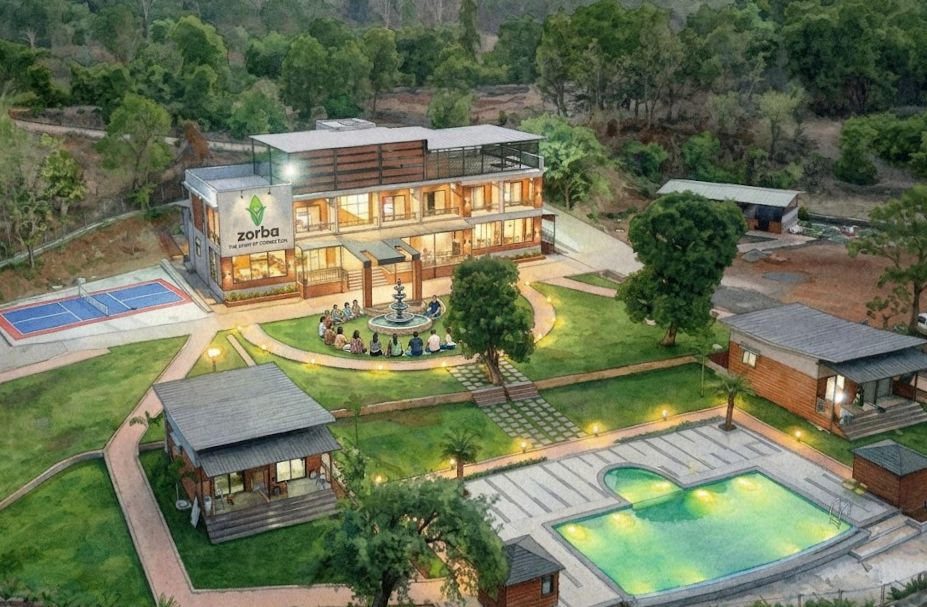
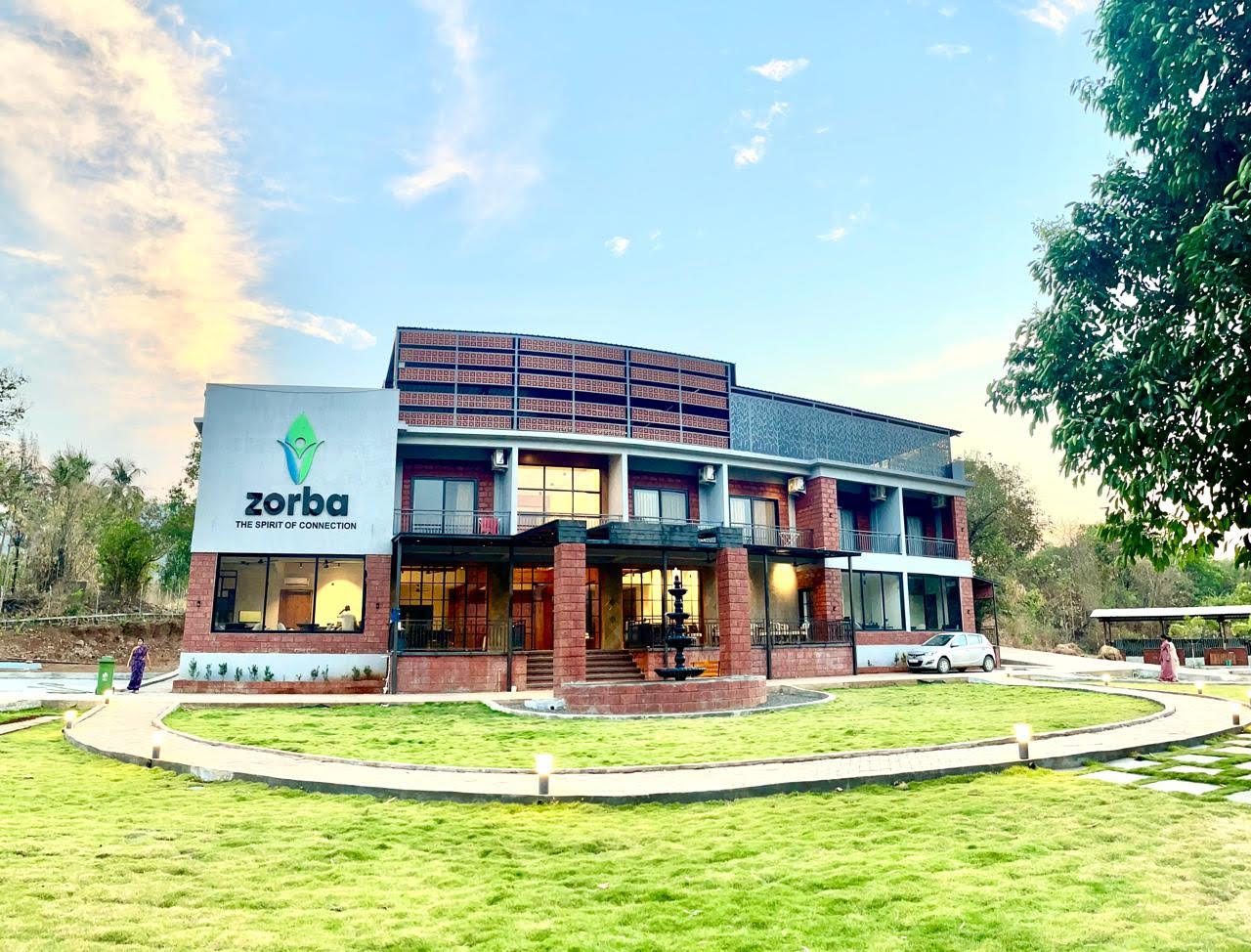
If you or a loved one is seeking compassionate, evidence based recovery care, ZorbaCare offers a progressive model that fuses clinical excellence with holistic healing. Recognized as one of the best rehabilitation center in India, it provides customized programs, expert professionals, and a nurturing environment that supports lasting transformation. Whether you’re searching for the best rehab in India or a forward thinking rehabilitation center in India, ZorbaCare is a name that inspires trust, discretion, and results.