
Leading Input Sessions Individual Therapy in India.
Input sessions are educational group discussions that help you truly understand what you are going through — and how to move through it. Led by experienced therapists, each session focuses on a practical topic like addiction triggers, coping mechanisms, or stress management. By giving you real knowledge about your condition and recovery, input sessions build the self-awareness and confidence to make informed choices on your own journey. ZorbaCare runs input sessions in Mumbai, Pune and across India, as part of complete mental health and addiction care. When you understand what is happening to you, you can start to change it.

How input sessions help you heal
Recovery is not only about willpower — it is about understanding. When you know how addiction hijacks the brain, what your personal triggers are, and why cravings and difficult emotions arise, they lose much of their power over you. Input sessions turn confusing, frightening experiences into something you can name, understand and prepare for. Knowledge is not just interesting here — it is protective.
Each session is led by an experienced therapist who introduces a topic — triggers, relapse, coping skills, stress, emotions, relationships — and then opens it up for discussion. You are not lectured at; you take part. Hearing others who understand exactly what you are facing, and realising you are not alone, is one of the most powerful parts of the experience. It is education and connection at the same time.
Input sessions work best alongside individual therapy and other support — the personal understanding you gain here makes everything else land more deeply. They are a core part of how we support addiction recovery and mental health, in Mumbai, Pune and across India.

Topics we explore in input sessions
Each session focuses on a practical, relevant theme. These are some of the topics we cover most.
Understanding addiction
How addiction affects the brain and body — so you understand it as a condition to treat, not a moral failing.
Triggers & cravings
Identifying your personal triggers and understanding cravings — the first step to managing them instead of being controlled by them.
Coping mechanisms
Healthy ways to handle stress, cravings and difficult emotions — practical tools you can use in real moments.
Stress management
Recognising stress and learning to manage it — because unmanaged stress is one of the biggest risks to recovery.
Relapse prevention
Spotting early warning signs and building a plan — so a difficult moment does not become a full relapse.
Emotions & relationships
Understanding your emotions and rebuilding relationships — the human side of recovery that keeps it lasting.
What actually happens in an input session
Input sessions have a simple, welcoming structure — part learning, part sharing. Here is how a typical session flows.
Introducing the topic
An experienced therapist introduces the day’s theme — triggers, stress, relapse, emotions — explaining it clearly, in plain language, with real examples.
Open discussion
The group discusses the topic together — sharing experiences, questions and insights. You take part as much or as little as you feel ready to.
Connecting it to you
You reflect on how the topic applies to your own life and recovery — turning general knowledge into personal insight you can actually use.
Practical takeaways
You leave each session with clear, practical takeaways — something to think about, try or watch for as you continue your recovery.
No pressure to speak. Input sessions are a safe, supportive space. You are always welcome to simply listen and learn — sharing is encouraged, never forced, and everything said stays within the group.
See where recovery happens
A private residential estate in the Sahyadri hills — the environment is part of the treatment, not a backdrop to it.
What input sessions give you
More than information, input sessions give you understanding, connection and confidence. Here is what you take away.
Knowledge
- Understand your condition — what is happening, and why.
- Know your triggers — the people, places and feelings that put you at risk.
- Learn the science — how addiction and recovery actually work.
- Demystify recovery — so the road ahead feels less frightening.
Connection
- You are not alone — others understand exactly what you face.
- Shared wisdom — learning from others’ experiences and insights.
- Belonging — the support of a group walking the same road.
- Less shame — understanding replaces judgement, of yourself and others.
Confidence
- Informed choices — the knowledge to make good decisions for yourself.
- Practical tools — real strategies you can use straight away.
- A sense of control — understanding gives back a feeling of agency.
- Motivation — seeing that change is possible, and how to reach it.
Common input session themes
Sessions run across a rotating range of themes, so understanding builds week by week. These are some of the most valuable.
The science of addiction
How substances and behaviours affect the brain’s reward system — understanding addiction as a treatable condition, not a weakness.
Identifying triggers
Learning to recognise the specific people, places, feelings and situations that put your recovery at risk — so you can plan for them.
Handling cravings
Understanding what cravings are, why they pass, and practical techniques to ride them out without acting on them.
Stress & emotions
How stress and difficult emotions drive relapse — and healthy, practical ways to manage them day to day.
Relapse prevention
Recognising early warning signs and building a personal plan — so a wobble does not become a fall.
Life after treatment
Rebuilding relationships, routine and purpose — understanding what a healthy, fulfilling life in recovery really looks like.
A calm space to do the work
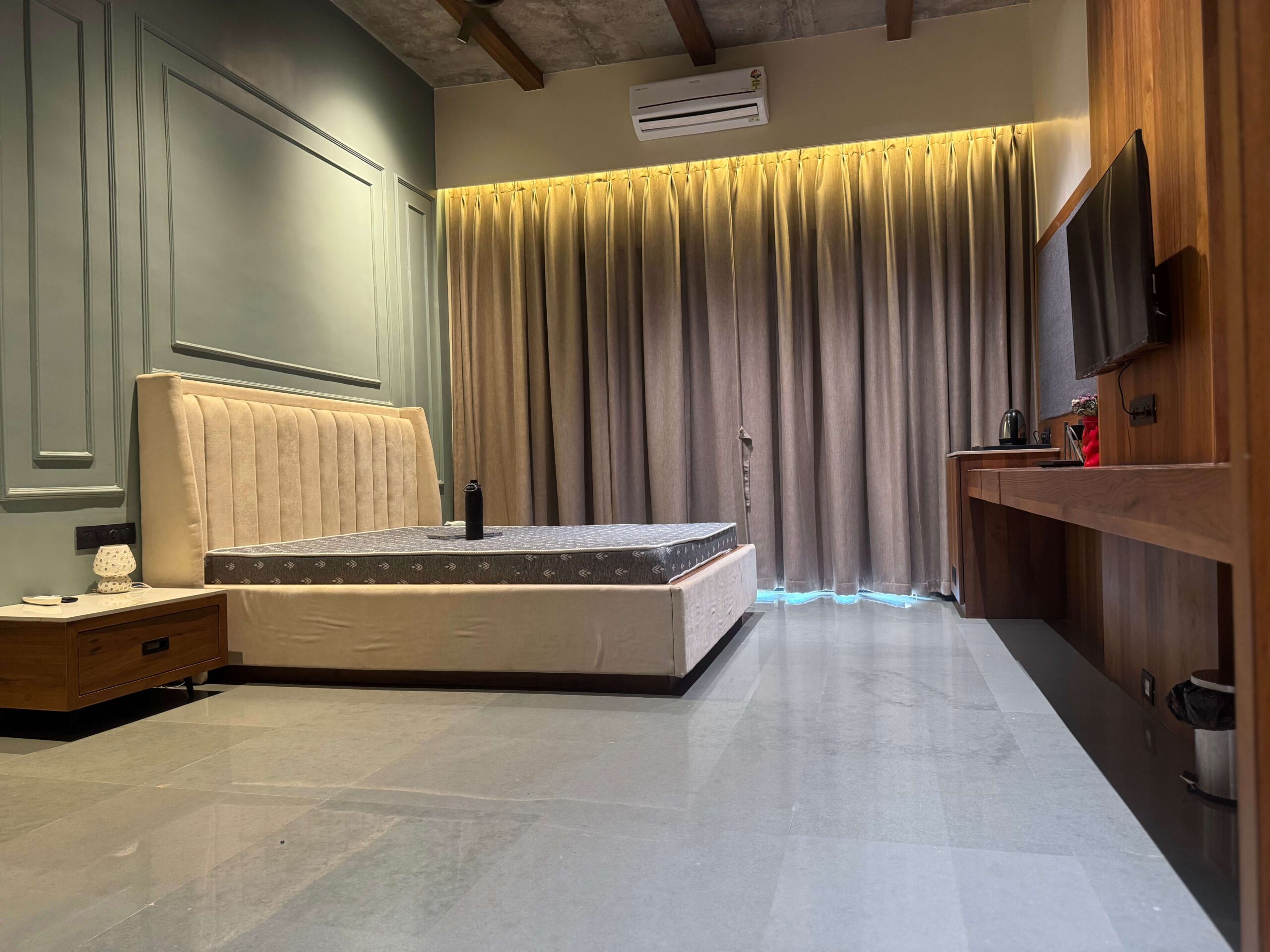
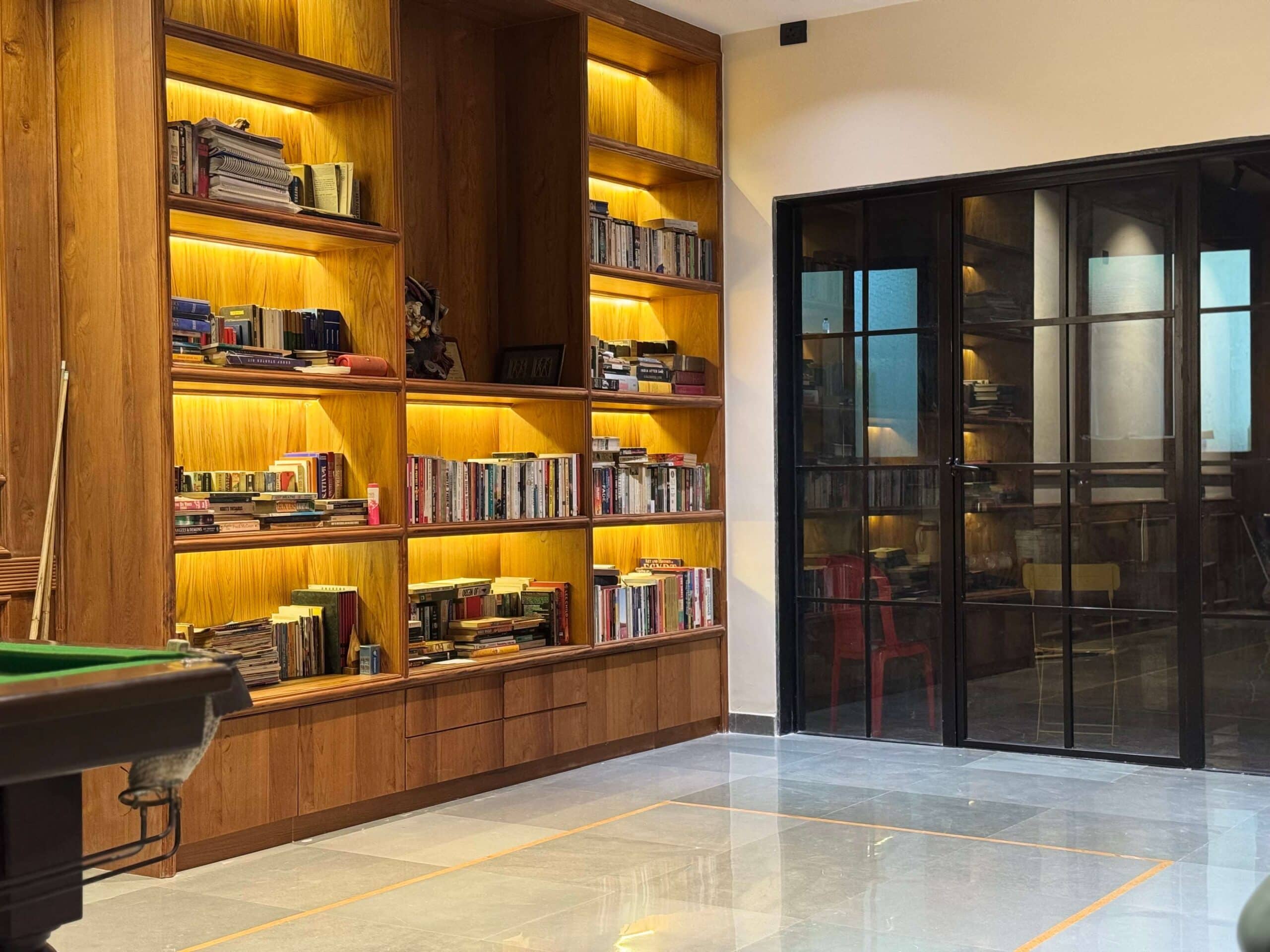
Therapy works best in a calm, private setting. Quiet rooms, open green space and an unhurried environment make it easier to reflect, focus and do the real work of change.



Living with it vs. treating it
Trying to recover without understanding your condition is like navigating in the dark. Input sessions turn on the light. This is the difference understanding makes.
- Cravings and triggers feel confusing and overpowering
- Addiction feels like a personal failing to be ashamed of
- You feel alone, as if no one else understands
- Relapse strikes without warning — you never saw it coming
- Recovery feels like something happening to you, not chosen
- You understand cravings and triggers, and can plan for them
- You see addiction as a condition to treat, not a shame to carry
- You feel understood and supported by others who get it
- You spot warning signs early and act before relapse
- You make informed, confident choices in your recovery
Reading on your own vs. guided input sessions
You can read about addiction and recovery anywhere. But guided input sessions offer something an article never can. Here is the difference.
Therapist-led input sessions
Recovery stories, in their own words
Some journeys are best heard from the people who lived them. Real stories from people whose lives changed through therapy at ZorbaCare.
After losing his wife suddenly, he struggled with alcohol addiction as a way to cope with grief. But over time, he chose to face his pain, seek support, and rebuild his life.
How does a normal working person end up homeless addicted to drugs. That is what happened to me.
I have lost my love, my job, my family, everything because of my addiction. I thought I would never heal, but now i am more than a year sober.
Started in college as a fun activity from beer to regular frequency drinking. From a life that i loved to out of control drinking.
Joining input sessions is simpler than you think
You do not need to speak up or have any experience to benefit from input sessions. From your first call, the process is clear, confidential and judgement-free — in Mumbai, Pune, or anywhere in India.
One confidential call
Tell us what you are struggling with. We listen without judgement and explain how input sessions fit your recovery — with no pressure.
Assessment & goal-setting
You join a supportive group led by an experienced therapist — free to listen, learn and share at your own pace.
We arrange everything
Admission is confirmed and the whole journey is arranged door to door — travel, timing and settling in, all handled for you.
Treatment begins
Your care team takes over from the moment you arrive — with family kept informed and involved throughout.
If there is any risk to life, act now. For thoughts of self-harm or suicide, call Tele-MANAS on 14416 (24×7) or reach us directly — please do not wait.
Input sessions led by experienced therapists
Your input sessions are led by experienced therapists and counsellors, overseen by consultant psychiatrists — who make complex topics clear and keep the group a safe, supportive space.




Trusted by families across India
Real words from people who completed the programme with ZorbaCare. More than 250 five-star reviews on Google.
Our family is deeply grateful to ZorbaCare for the care and support they provided throughout our loved one’s recovery. The team was compassionate, professional, and always approachable. Dr. Sayantani Mukherjee ensured that every stage of treatment was clearly explained. Recovery coaches Sandy and Mel provided constant motivation, while psychologist Shamika helped address the emotional challenges behind the addiction. The positive changes have been remarkable.
Recovery is never easy, but my four months at Zorba gave me a strong foundation for a healthier and more positive future. I am grateful for the guidance, support, and encouragement I received throughout my stay. I would highly recommend Zorba to anyone seeking professional help for addiction recovery. Thank you, Zorba, for helping me start a new chapter in my life. 🙏
Zorbacare truly changed my life. The care, support, and guidance I received throughout my recovery journey were exceptional. The staff is compassionate, professional, and genuinely committed to helping people rebuild their lives. I am grateful for the positive impact they have had on me and my family. Thank you, Zorbacare, for giving me a new direction and a fresh start.
It has been 17 months now, i have been sober because of them and they still take regular updates and check ins. Can’t thank them enough specially Sandeep sir. They have been there for me in ways i couldn’t believe. I stayed there for 3 months and still being a part of AA and their aftercare program. They have become a family now.
Where input sessions fit in
Input sessions support recovery alongside our other therapies. Explore where they help most — and what we combine them with.
Addiction Recovery
Understanding triggers and cravings is central to lasting recovery.
Learn more → ConditionTrauma & PTSD
Unresolved trauma often underlies depression. We treat the root, not just the symptom.
Learn more → ConditionRelapse Prevention
Knowledge of warning signs helps you act before a wobble becomes a fall.
Learn more → ProgrammeGroup Support
Learning alongside others adds connection and shared strength to recovery.
Learn more →The programmes behind your recovery
Depression is treated within our wider clinical programmes. Explore the levels of care that support it.
Residential Care
Immersive, structured treatment in a calm setting — ideal for moderate to severe depression.
Learn more → Level of CareDual Diagnosis
Integrated treatment for addiction alongside depression, anxiety or trauma.
Learn more → Continuing CareAftercare & Alumni
Relapse prevention and lifelong community support after the programme ends.
Learn more → SupportFamily Programme
Structured therapy and guidance so families heal alongside their loved one.
Learn more →Common questions about input sessions
Honest answers to what people most often ask us. Anything else — just reach out.
An input session is an educational group discussion led by an experienced therapist. Each one focuses on a practical topic that matters in recovery — things like addiction triggers, cravings, coping mechanisms, stress management, emotions or relapse prevention. The therapist introduces the topic clearly, explains how it works, and then opens it up for the group to discuss and share. Think of it as part class, part support group: you gain real understanding of what you are going through, and you do it alongside others who genuinely understand. The goal is simple — the more you understand about your condition and recovery, the better equipped you are to make good decisions on your own journey.
Not at all. Input sessions are a safe, welcoming space, and you are always free to simply listen and learn. Many people are quiet at first — that is completely normal and fine. As you grow more comfortable, you may find you want to share your own thoughts or ask questions, and that is where a lot of the value lies. But there is never any pressure. You take part at whatever level feels right for you, and everything shared in the group stays confidential within it. Even just listening, you will be learning and connecting.
They are related but different, and they work well together. Group therapy is primarily about processing emotions and experiences together, with the group itself as the main tool for healing. Input sessions are more educational — the focus is on understanding a specific topic, with the therapist teaching as well as facilitating. In practice, group therapy helps you feel and connect, while input sessions help you understand and learn. Most people benefit from both: the knowledge from input sessions gives you the framework, and group and individual therapy help you apply it to your own life and emotions.
They are genuinely important, not an optional extra. A great deal of relapse happens simply because people do not fully understand what they are dealing with — they are caught off guard by a craving, a trigger or a wave of emotion they did not see coming or know how to handle. Input sessions close that gap. When you understand how addiction works, what your triggers are, and how to cope with stress and cravings, you are far better prepared to stay well. Knowledge genuinely is protective in recovery. It works hand in hand with individual therapy and other support, making all of it more effective.
Input sessions are led by our experienced therapists and counsellors, who are skilled at making complex topics clear and keeping the group a safe, respectful space. They are suitable for most people in treatment, whether for addiction or mental health difficulties, and topics are pitched so that you do not need any prior knowledge — everything is explained in plain language. If you have particular sensitivities or a topic feels difficult, the team is always mindful of that, and you can step back at any time. The aim is always to inform and support you, never to overwhelm. If you are ever in crisis, call Tele-MANAS on 14416, any time.
Input sessions are usually part of your wider treatment or residential recovery programme rather than a separate charge. We run them in Mumbai and Pune, across India, and as part of residential care, with options in person and online. We are always transparent about what your programme includes and what it costs, with no hidden charges. The best first step is a confidential call to talk through the right support for you.
Completely. Confidentiality is central to how we operate, from the first call through admission and aftercare. For many families, that anonymity is the main reason they choose to travel for treatment.
Input sessions & recovery care across India
Our mental health and rehabilitation programmes serve every major Indian city. Wherever you are, admission and travel are fully coordinated for you.
Reviewed & evidence-informed. This page is for general information and is not a substitute for professional medical advice, diagnosis or treatment. The role of psychoeducation in recovery is supported by peer-reviewed research. If you or a loved one is struggling, speak with a qualified professional. In a crisis, call Tele-MANAS on 14416 (24×7, India).
View research citations & sources →
Research Citations & A Note On Safety
- Xia J, Merinder LB, Belgamwar MR. Psychoeducation for schizophrenia. Cochrane Database of Systematic Reviews, 2011 — psychoeducation reduces relapse and readmission and improves engagement with treatment.
- Donker T, Griffiths KM, Cuijpers P, Christensen H. Psychoeducation for depression, anxiety and psychological distress: a meta-analysis. BMC Medicine, 2009;7:79 — brief passive psychoeducation can reduce symptoms of depression and distress.
- Magill M, Ray LA. Cognitive-behavioral treatment with adult alcohol and illicit drug users: a meta-analysis. Journal of Studies on Alcohol and Drugs, 2009 — understanding triggers and coping skills is central to effective addiction treatment.
- National Institute on Drug Abuse (NIDA). Principles of Drug Addiction Treatment. Education about addiction, triggers and relapse is a recognised component of comprehensive care.
This page is for general information and is not a substitute for professional medical advice, diagnosis or treatment. When you understand what you are facing, you can start to change it — speak with our team about joining input sessions. In a crisis, call Tele-MANAS on 14416 (24×7, India).