
The Family Recovery Programme.
Addiction is a family illness. The people who love an addict are often the most exhausted, the most anxious, and — without ever meaning to be — the most entangled in the addiction itself through codependency and enabling. Our family recovery programme does two things: it helps families stop unknowingly fuelling the addiction and start supporting real recovery, and it gives family members their own support, so they can heal and live their own lives while their loved one recovers.

When love, without meaning to, keeps the addiction alive
Almost every family of an addict falls into the same trap: codependency. Out of love and fear, they cover up, make excuses, give money, take on responsibilities and rescue their loved one from every consequence. It never feels like harm — it feels like caring. But this is enabling, and it quietly removes the very consequences that might push someone toward change.
At the same time, the family pays a heavy price of its own. Living around someone’s addiction breeds anxiety, depression, resentment and exhaustion — family members lose themselves entirely in trying to manage another person’s illness. This is why effective drug addiction treatment and alcohol addiction treatment has to include the family, not just the addict.
At ZorbaCare — a leading de-addiction and rehabilitation centre in India — family recovery runs alongside the residential programme, and is open to families across India, from Bangalore and Mumbai to Delhi — even when their loved one is not yet ready for treatment.

The quiet signs of codependency
None of this makes you a bad person — it makes you human, and it makes you tired. But recognising these patterns is the first step to breaking them.
Covering up for them
Making excuses to their boss, lying to relatives, hiding the truth — protecting their reputation while the addiction quietly continues unchecked.
Giving money you know how they'll spend
Handing over cash despite knowing where it goes, or clearing debts again and again — removing the financial consequences of using.
Walking on eggshells
Managing your whole household around their moods to avoid conflict — the entire family shrinking to keep one person from being upset.
Losing yourself completely
Your own health, friendships and happiness have vanished into managing theirs. You cannot remember the last time you thought about your own life.
Empty threats and broken limits
Saying "this is the last time" over and over, setting boundaries you never enforce — and both of you knowing you will step in again.
Carrying it all alone
Shielding everyone else from how bad things are, never asking for help, and quietly sinking into your own anxiety or depression in the process.
From entangled to healthy — together and apart
Family recovery moves through clear stages: understanding the illness, breaking codependency, healing yourself, and rebuilding the relationship on new terms.
Understanding the illness
First, the family learns what addiction actually is — a disease, not a moral failing or a choice. This alone lifts years of guilt, blame and confusion.
Breaking codependency
The heart of the work: recognising enabling patterns and learning to set loving, firm boundaries — supporting the person without protecting the addiction.
Healing yourself
You matter too. This stage focuses on your own wellbeing — rebuilding your life, friendships and health, so you can live fully while your loved one recovers.
Reconnecting & rebuilding
As trust returns, guided ongoing support helps the family rebuild the relationship on honest, healthy foundations — a genuine reconnection, not a return to old patterns.
Families move at their own pace. Some families need most help breaking codependency; others most need to rebuild trust. The programme flexes to where your family actually is.
See where recovery happens
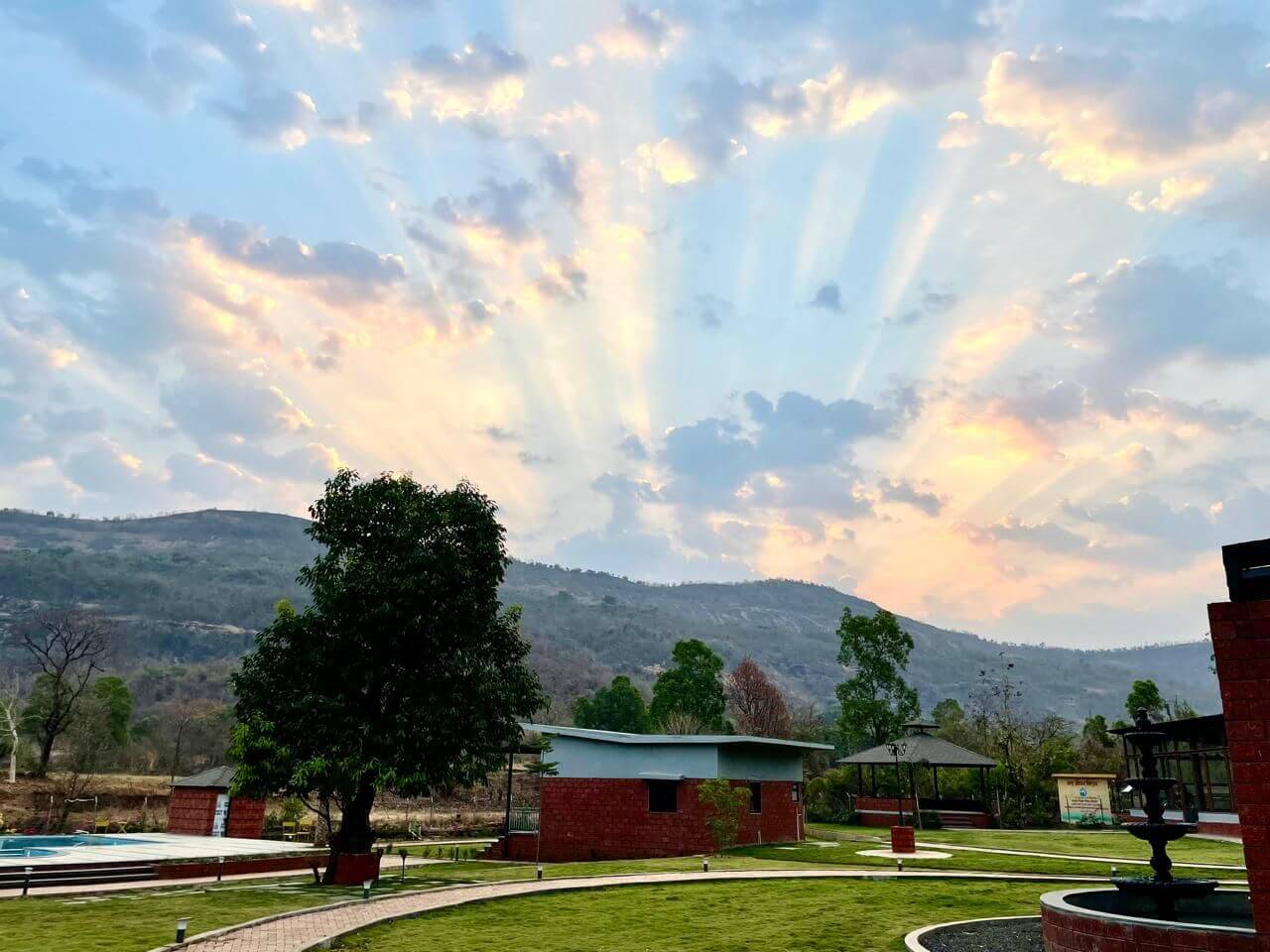
A private residential estate in the Sahyadri hills — the environment is part of the treatment, not a backdrop to it.
Support for the family, and for you
Two threads run through everything: helping the family support real recovery, and helping each family member reclaim their own life.
Family therapy sessions
Guided sessions that open honest communication, surface what has gone unsaid, and begin repairing the relationship between the family and their loved one.
Codependency counselling
Focused work to recognise and unlearn enabling — the single most important shift a family can make to stop fuelling the addiction.
Boundary-setting skills
Practical tools to set and hold loving, firm limits — how to say no with compassion, and mean it, without guilt tearing you apart.
Support for your wellbeing
Individual support for the anxiety, depression and exhaustion that living with addiction creates — because your health matters as much as theirs.
Al-Anon & peer groups
Connection to family support groups and others who understand exactly what you are living — so you are no longer carrying it alone.
Rebuilding trust
Guided work to repair broken trust honestly and at a healthy pace — reconnecting as a family without falling back into old roles.
Room for the whole family to breathe
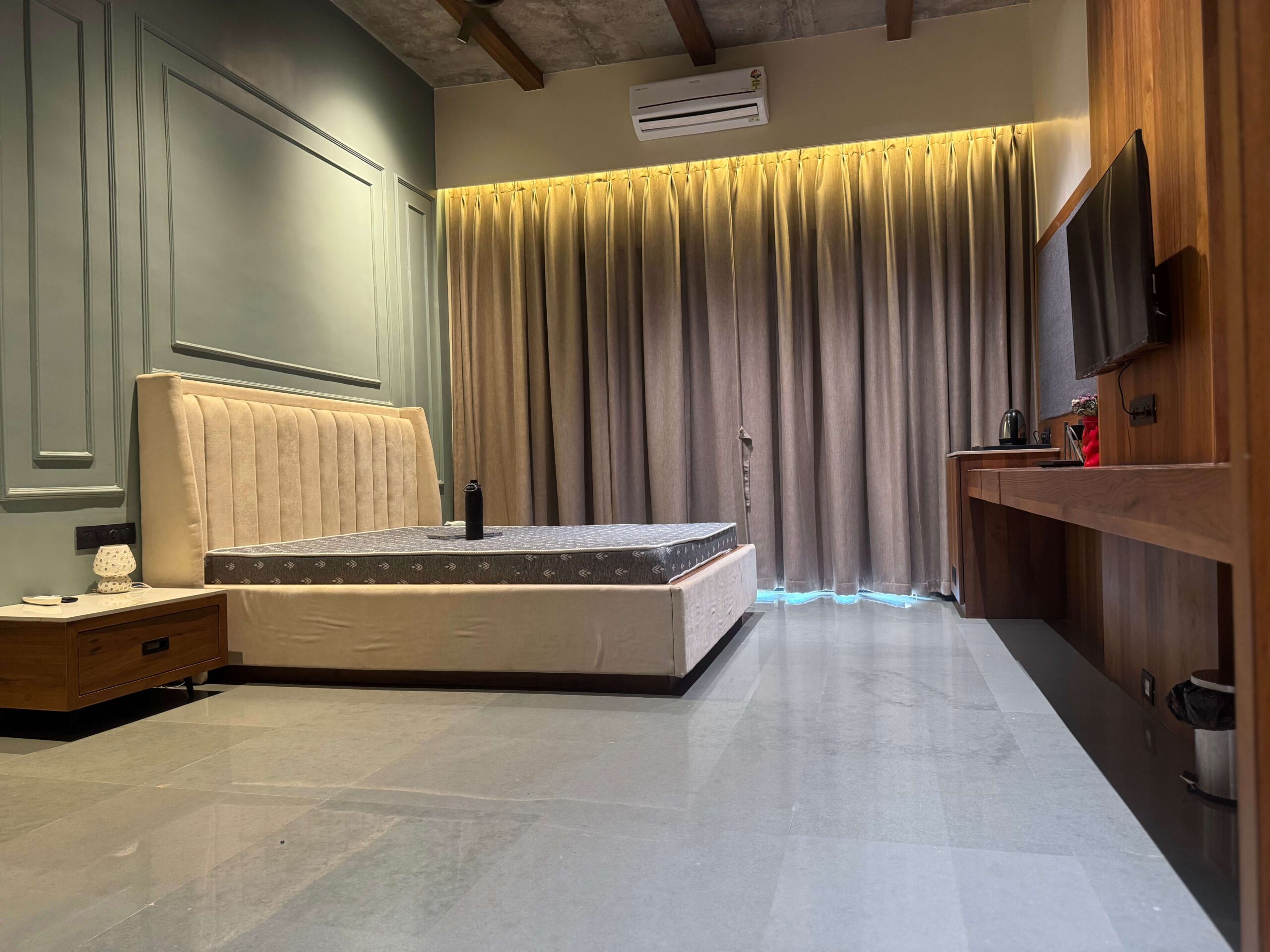
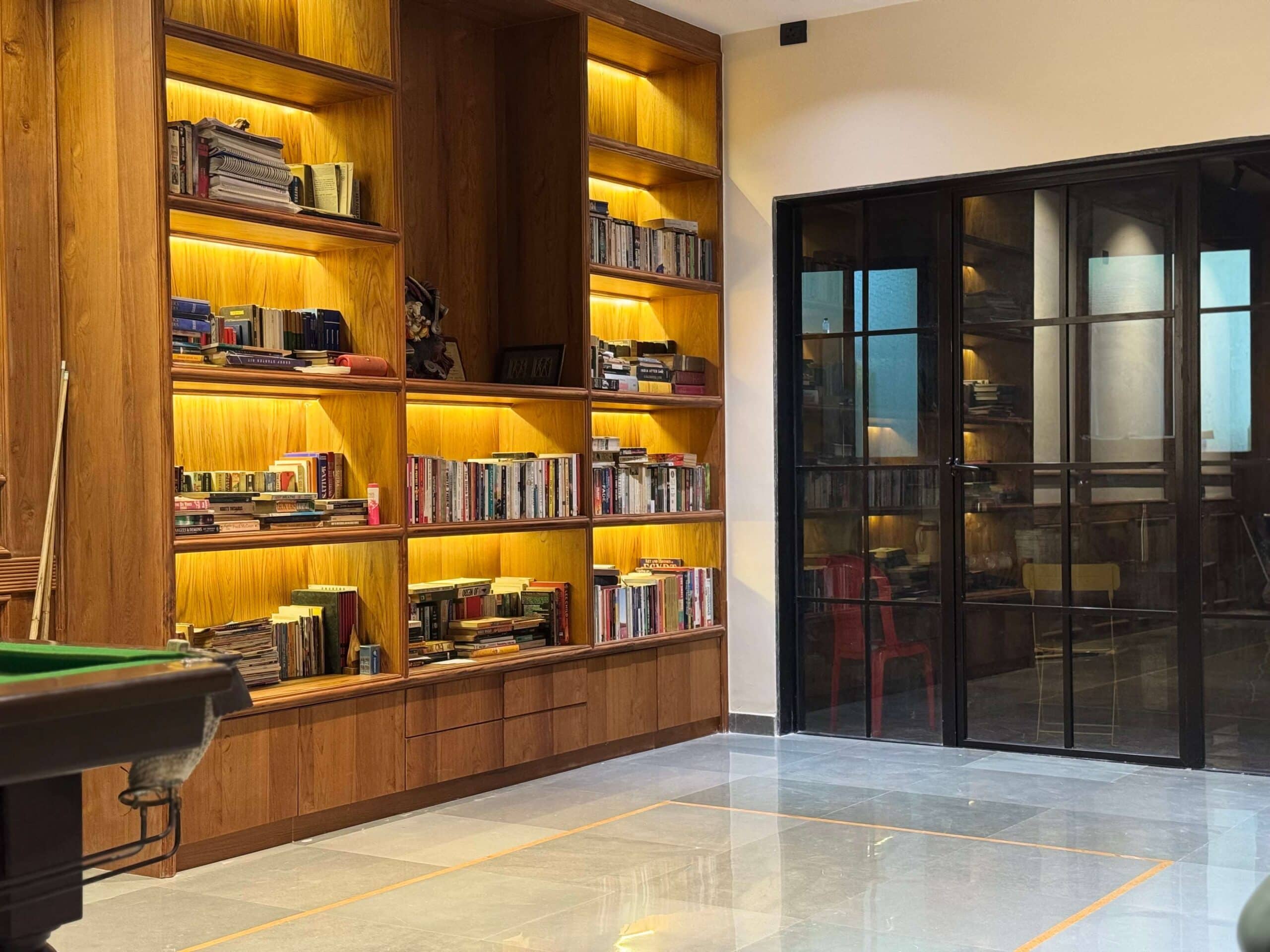
Calm, private surroundings give families space to do difficult, honest work — and to begin reconnecting away from the pressures of home.



Enabling the addiction vs. supporting recovery
The same love, pointed in a new direction. This is the shift that changes everything — for your loved one, and for you.
- Consequences removed, so nothing forces change
- The whole family orbiting the addiction
- Boundaries set, then broken, again and again
- Your own health and happiness disappearing
- Exhaustion, resentment and no way out
- Loving boundaries that let recovery take hold
- A family supporting recovery, not the addiction
- Enabling recognised and replaced with real help
- Your own life, health and happiness reclaimed
- Trust rebuilt, and a real relationship again
Only the addict gets help vs. the whole family heals
When treatment ignores the family, the person returns to the same system that helped sustain the addiction. Treating the family changes what they come home to.
The whole family heals
Recovery stories from the programme
Some journeys are best heard from the people who lived them. Real stories from families who healed together at ZorbaCare.
After losing his wife suddenly, he struggled with alcohol addiction as a way to cope with grief. But over time, he chose to face his pain, seek support, and rebuild his life.
How does a normal working person end up homeless addicted to drugs. That is what happened to me.
I have lost my love, my job, my family, everything because of my addiction. I thought I would never heal, but now i am more than a year sober.
Started in college as a fun activity from beer to regular frequency drinking. From a life that i loved to out of control drinking.
Getting help for your family
You do not have to wait until your loved one is ready. Support for the family can begin now — clearly, discreetly and without pressure, from anywhere in India.
One confidential call
No judgement, no pressure. We listen to what your family is going through and help you understand what support could look like.
Understanding your situation
We learn about your family, the patterns at home, and how everyone — including you — is coping, then suggest the right support.
A plan for the family
Whether alongside your loved one’s treatment or on its own, we set out family therapy, codependency support and help for your own wellbeing.
Support begins
Family recovery gets underway — helping you support real change, rebuild trust, and start living your own life again.
You can start even if they won’t. Family support does not depend on your loved one agreeing to treatment — sometimes the family changing is what finally moves them.
Trusted by families across India
Real words from people who completed the programme with ZorbaCare. More than 250 five-star reviews on Google.
Our family is deeply grateful to ZorbaCare for the care and support they provided throughout our loved one’s recovery. The team was compassionate, professional, and always approachable. Dr. Sayantani Mukherjee ensured that every stage of treatment was clearly explained. Recovery coaches Sandy and Mel provided constant motivation, while psychologist Shamika helped address the emotional challenges behind the addiction. The positive changes have been remarkable.
Recovery is never easy, but my four months at Zorba gave me a strong foundation for a healthier and more positive future. I am grateful for the guidance, support, and encouragement I received throughout my stay. I would highly recommend Zorba to anyone seeking professional help for addiction recovery. Thank you, Zorba, for helping me start a new chapter in my life. 🙏
Zorbacare truly changed my life. The care, support, and guidance I received throughout my recovery journey were exceptional. The staff is compassionate, professional, and genuinely committed to helping people rebuild their lives. I am grateful for the positive impact they have had on me and my family. Thank you, Zorbacare, for giving me a new direction and a fresh start.
It has been 17 months now, i have been sober because of them and they still take regular updates and check ins. Can’t thank them enough specially Sandeep sir. They have been there for me in ways i couldn’t believe. I stayed there for 3 months and still being a part of AA and their aftercare program. They have become a family now.
Family support across every addiction
Codependency and enabling look the same whatever the substance. Explore treatment for the addictions whose families we most often support.
Alcohol Addiction
Medically supervised alcohol detox followed by the full therapeutic programme.
Learn more → TreatmentDrug Addiction
Structured residential care for dependence on prescription and illicit drugs.
Learn more → TreatmentHeroin & Opioids
Safe, supervised opioid withdrawal and long-term relapse prevention.
Learn more → TreatmentBehavioural Addiction
Gambling and gaming dependence — real, treatable conditions treated with therapy.
Learn more →Family recovery within the wider care
Family recovery works best alongside the person’s own treatment. Explore the programmes it supports and connects to.
Medical Detox
The supervised first phase — safe withdrawal management before the therapeutic programme.
Learn more → Level of CareDual Diagnosis
Integrated treatment for addiction alongside depression, anxiety or trauma.
Learn more → Continuing CareAftercare & Alumni
Relapse prevention and lifelong community support after the programme ends.
Learn more → SupportFamily Programme
Structured therapy and guidance so families heal alongside their loved one.
Learn more →What families ask us
The real questions families search at their lowest moments. Honest answers — and if yours is not here, just reach out.
If you regularly cover up for them, give money you know funds their using, make excuses to others, or rescue them from consequences — then, painful as it is to hear, you are very likely enabling. It never feels like it; it feels like love and survival. Enabling is not a character flaw, it is what caring people do when they do not yet know another way. Recognising it is the first, hardest, most hopeful step.
You stop by replacing rescue with boundaries — loving, firm limits that let your loved one face the natural consequences of their addiction, while you stop shielding them from it. This is genuinely hard to do alone, because guilt and fear pull you straight back. Codependency counselling and family therapy give you the tools and the support to hold those boundaries without breaking, and without cruelty.
Rarely is complete cut-off the answer, and it is an agonising question no family should decide alone. The healthier path is usually not cutting them off, but cutting off the enabling — withdrawing the money, cover and rescue while keeping the door to genuine help open. Family therapy helps you find that line: staying connected to the person while refusing to support the addiction.
This matters far more than families allow themselves to believe. You cannot pour from an empty cup, and your loved one’s recovery does not require you to lose yourself. Looking after yourself means your own therapy or counselling, support groups like Al-Anon, protecting your health and friendships, and giving yourself permission to live your life. Our family programme supports exactly this — because you deserve recovery too.
Yes — and this surprises people. You do not need your loved one’s permission to get help for yourself. When a family stops enabling and changes how it responds, it often shifts the whole dynamic and removes the cushioning that let the addiction continue. Sometimes the family changing is precisely what finally moves a resistant person toward treatment. Either way, you get support you badly need.
Slowly, honestly, and with guidance — not by pretending the past did not happen. Trust is rebuilt through consistent action over time, open communication, and realistic expectations on both sides. Guided family therapy creates a safe space to say the hard things, repair old wounds, and reconnect on new, healthier terms rather than slipping back into the roles that hurt everyone before.
Completely. Confidentiality is central to how we operate, from the first call through admission and aftercare. For many families, that anonymity is the main reason they choose to travel for treatment.
Families come to us from across India
Our family recovery support reaches families in every major Indian city, in person and online, wherever you are.
Sources & References
- Ambekar A, et al. Magnitude of Substance Use in India 2019. National Drug Dependence Treatment Centre, AIIMS, for the Ministry of Social Justice & Empowerment, Government of India.
- Gururaj G, et al. National Mental Health Survey of India, 2015–16. National Institute of Mental Health and Neurosciences (NIMHANS), Bengaluru.
- World Health Organization. National Mental Health Survey & NDDTC-AIIMS, India.
This page is for general information and is not a substitute for professional medical advice. If you or someone you know needs help with substance dependence, please speak with a qualified clinician.
