
Aftercare & Relapse Prevention.
Leaving treatment is not the finish line — it is the most vulnerable moment of all. Our aftercare and relapse prevention programme carries recovery through the fragile first year and beyond, with structured follow-up, a practical relapse-prevention plan, and a lifelong alumni community. Because staying sober is a different challenge from getting sober, and no one should face it alone.
Getting sober is the start. Staying sober is the work.
Aftercare is the structured support that continues once residential treatment ends — the follow-up, planning and community that turn early sobriety into lasting recovery. Relapse prevention is its core: recognising the warning signs, having a plan for high-risk moments, and knowing exactly who to call before a slip becomes a full relapse.
Here is the uncomfortable truth: most relapses happen in the first year after treatment, when someone returns to old routines, people and stress with fresh sobriety and few defences. This is precisely where good drug addiction treatment and alcohol addiction treatment either holds or falls apart — and it is exactly the gap aftercare is built to fill.
At ZorbaCare — a leading de-addiction and rehabilitation centre in India — aftercare is not an add-on but the continuation of the residential programme. Alumni across India, from Bangalore and Mumbai to Delhi, stay connected long after they leave.

When relapse is most likely to strike
Relapse rarely comes out of nowhere. It gathers in predictable moments — and a relapse-prevention plan is built to see each one coming.
The first weeks home
Returning to old surroundings with fresh sobriety is the single riskiest window. Structured follow-up in this period is what keeps early recovery intact.
Stress & setbacks
A job loss, a bereavement, a conflict at home — acute stress is a classic trigger. A plan turns "I need a drink" into "I need to call someone."
Old people & places
Running into a former using circle, or an old haunt, reawakens powerful cues. Relapse prevention rehearses exactly how to handle them.
Celebration & complacency
Feeling "cured" is its own danger. Weddings, festivals and "just one" moments catch people off guard — which is why vigilance is built to last.
Loneliness & isolation
Recovery gets fragile in isolation. The alumni community exists so no one has to sit alone with a craving at midnight.
The first slip
A slip is not a failure — unless it is hidden. A plan makes reaching out immediate, so one drink or one use never has to become a full relapse.
Support that steps down, never drops off
Aftercare is not a single handover. Support tapers gradually as confidence grows — intensive at first, lighter over time, but never fully switched off.
A plan before you leave
Aftercare begins inside treatment. Before discharge, a personal relapse-prevention plan maps your triggers, warning signs and exactly who to call — so day one at home is not day one alone.
The first months
The highest-risk window gets the closest support — regular check-ins, follow-up sessions, and a direct line to the team, keeping recovery steady through the hardest early weeks.
Building the new life
As stability grows, the focus shifts to rebuilding — work, relationships, routine and purpose — with family support and peer groups reinforcing every step.
Lifelong alumni community
Recovery is easier in company. The alumni network — meetings, check-ins and a community that understands — is there for the long haul, whenever it is needed.
Support fits the person. How much aftercare, and for how long, is shaped around each individual — because everyone leaves treatment at a different place.
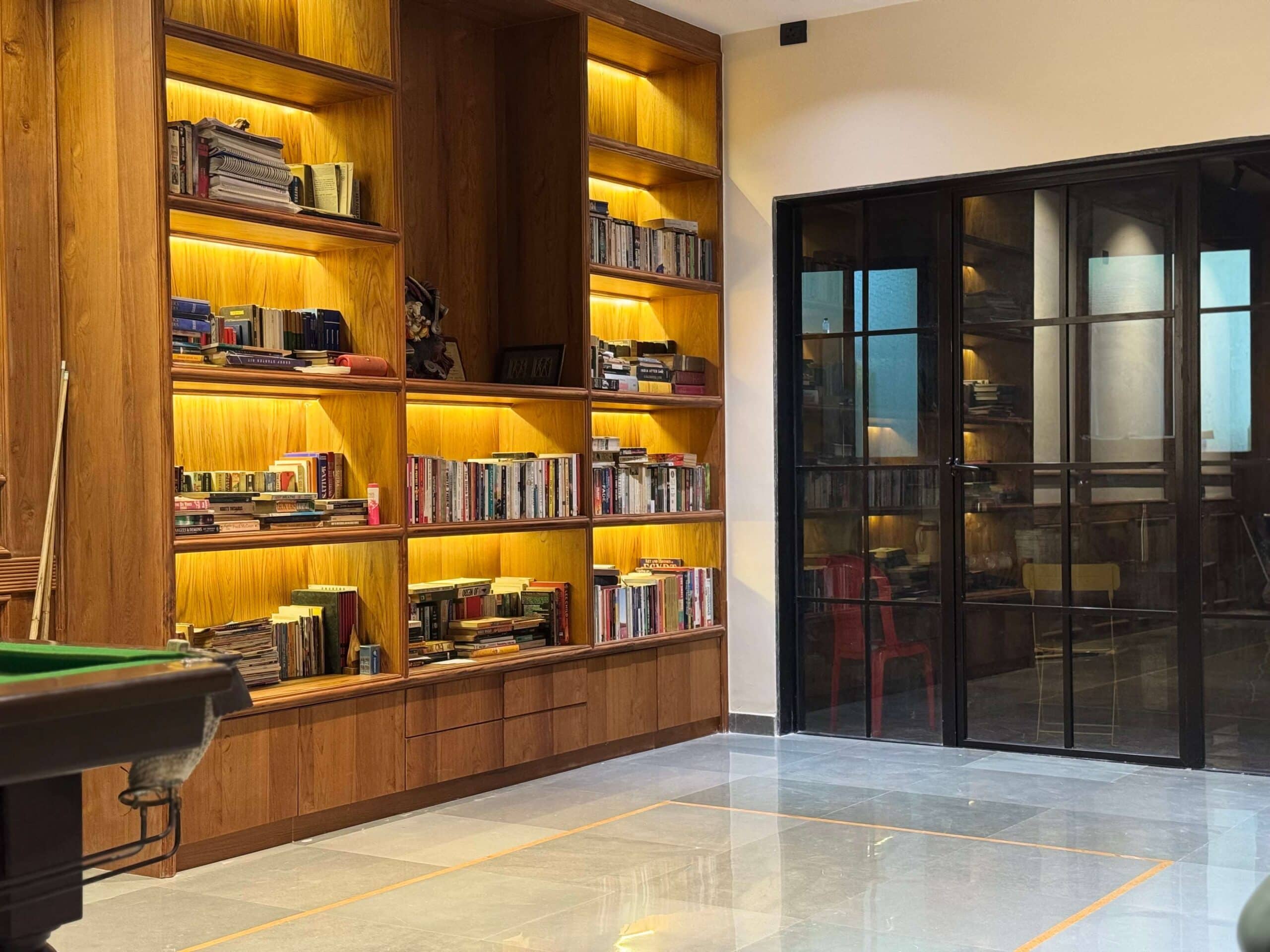
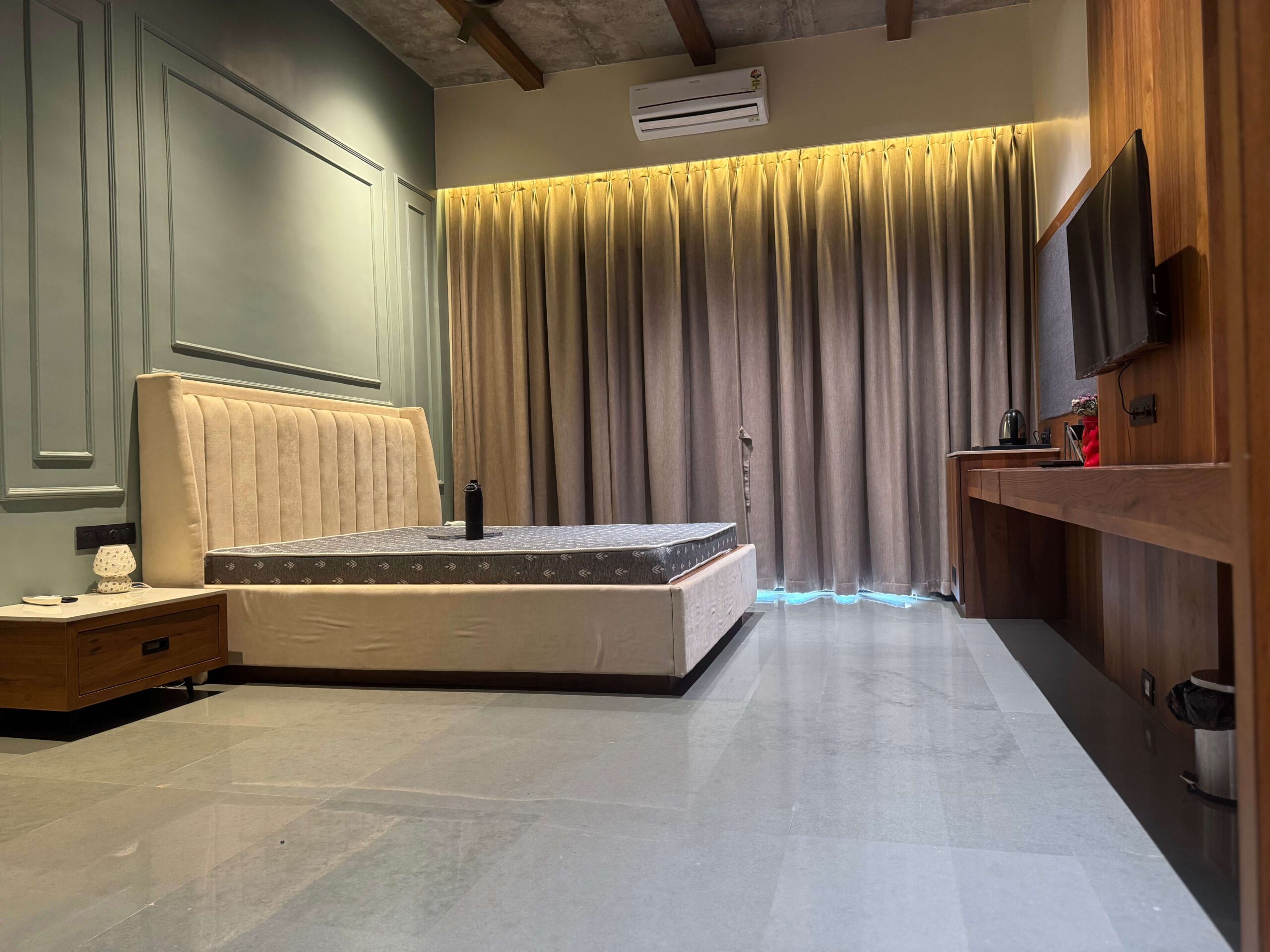
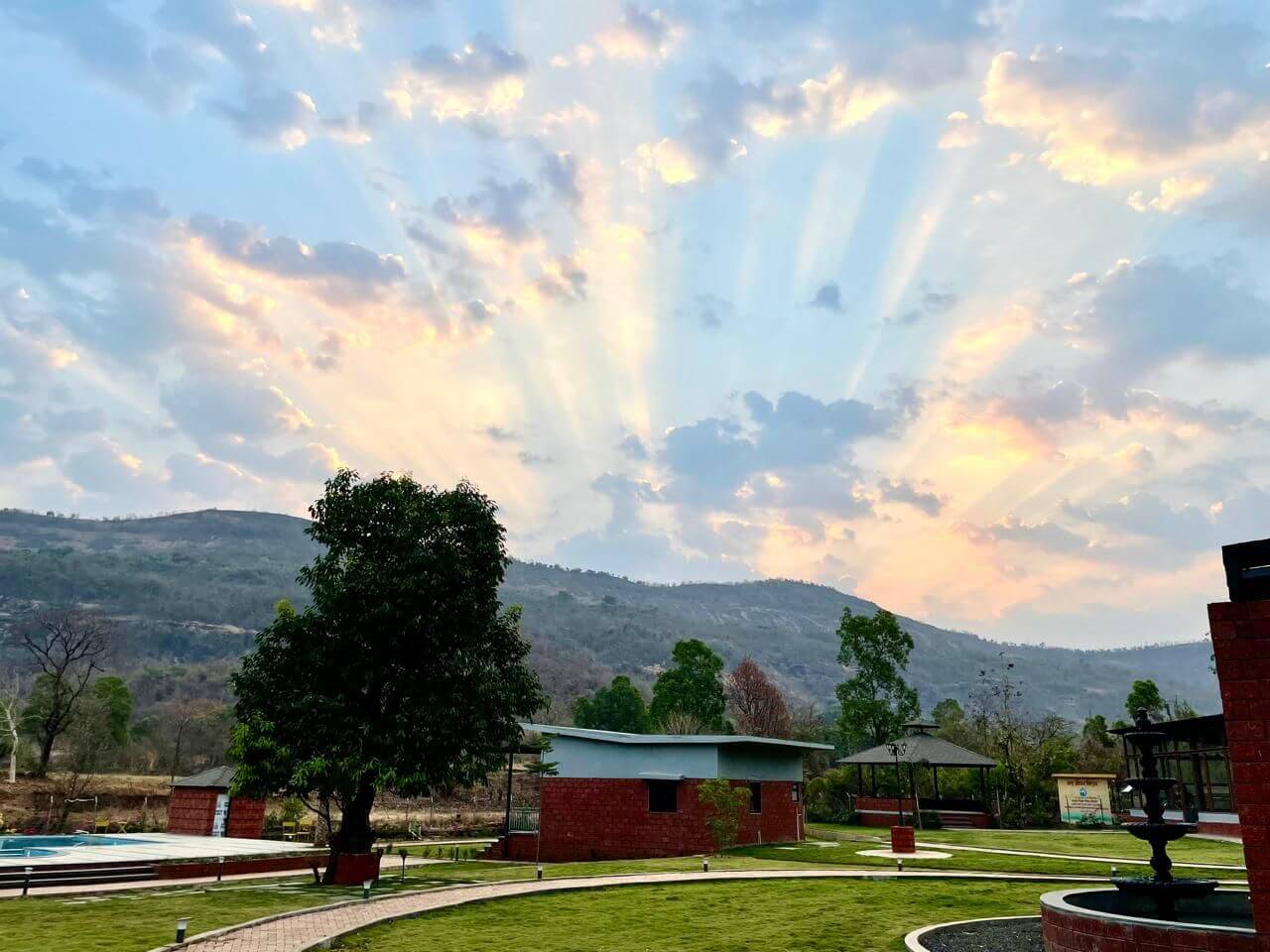
See where recovery happens
A private residential estate in the Sahyadri hills — the environment is part of the treatment, not a backdrop to it.
The tools that keep recovery on track
Aftercare is practical, not vague. It is a set of concrete supports designed to catch trouble early and keep sobriety durable.
A personal relapse-prevention plan
A written, individual plan mapping your triggers, warning signs and responses — the single most effective tool for staying sober.
Ongoing follow-up sessions
Regular check-ins with the team keep recovery accountable and catch difficulties early — before a wobble becomes a relapse.
Alumni community & meetings
A network of people who have walked the same road — peer support, shared meetings and connection that outlasts any programme.
A number you can always call
Cravings do not keep office hours. Knowing help is one call away, day or night, is often what stops a slip in its tracks.
12-step & group linkage
We connect you into AA, NA and local recovery groups wherever you live, so support continues close to home.
Continued family support
Recovery holds better when the home does too. Ongoing guidance helps families support sobriety without slipping into old patterns.
A place, and a people, to return to
Alumni stay connected to the place they healed and the people who understand. Recovery is a journey best not walked alone.


Leaving with a plan vs. leaving on your own
Two people can finish the same treatment. What happens next — supported or not — is often what separates lasting recovery from relapse.
- Back to old routines with no plan for triggers
- Warning signs missed until it is too late
- No one to call when a craving hits at midnight
- A slip hidden out of shame, then spiralling
- Facing the hardest year of recovery alone
- A written plan for every high-risk moment
- Warning signs spotted early and acted on
- A number to call, day or night
- A slip met with honesty and quick support
- A community carrying you through year one
Treatment that ends at discharge vs. continues
Plenty of programmes wave goodbye at the gate. For the first year that decides everything, these are the differences that matter.
Continuing care
Recovery stories from the programme
Some journeys are best heard from the people who lived them. Real stories from alumni who stayed sober with continuing support.
After losing his wife suddenly, he struggled with alcohol addiction as a way to cope with grief. But over time, he chose to face his pain, seek support, and rebuild his life.
How does a normal working person end up homeless addicted to drugs. That is what happened to me.
I have lost my love, my job, my family, everything because of my addiction. I thought I would never heal, but now i am more than a year sober.
Started in college as a fun activity from beer to regular frequency drinking. From a life that i loved to out of control drinking.
Joining aftercare
Whether you are completing treatment with us or coming from elsewhere, ongoing support is here — clear, discreet and without pressure, from anywhere in India.
One confidential call
No judgement, no pressure. We listen first and understand where you are in recovery and what support would help most.
Your relapse-prevention plan
Together we build — or review — a personal plan mapping your triggers, warning signs and the exact steps to take when they appear.
Structured follow-up begins
Regular check-ins and sessions are scheduled around your life, weighted toward the high-risk early months.
Into the alumni community
You join a lifelong network of people who understand — meetings, connection and support for the long haul.
It is never too late to reconnect. If you left treatment without support, or a slip has happened, reach out — we will help you get back on track.
Trusted by families across India
Real words from people who completed the programme with ZorbaCare. More than 250 five-star reviews on Google.
Our family is deeply grateful to ZorbaCare for the care and support they provided throughout our loved one’s recovery. The team was compassionate, professional, and always approachable. Dr. Sayantani Mukherjee ensured that every stage of treatment was clearly explained. Recovery coaches Sandy and Mel provided constant motivation, while psychologist Shamika helped address the emotional challenges behind the addiction. The positive changes have been remarkable.
Recovery is never easy, but my four months at Zorba gave me a strong foundation for a healthier and more positive future. I am grateful for the guidance, support, and encouragement I received throughout my stay. I would highly recommend Zorba to anyone seeking professional help for addiction recovery. Thank you, Zorba, for helping me start a new chapter in my life. 🙏
Zorbacare truly changed my life. The care, support, and guidance I received throughout my recovery journey were exceptional. The staff is compassionate, professional, and genuinely committed to helping people rebuild their lives. I am grateful for the positive impact they have had on me and my family. Thank you, Zorbacare, for giving me a new direction and a fresh start.
It has been 17 months now, i have been sober because of them and they still take regular updates and check ins. Can’t thank them enough specially Sandeep sir. They have been there for me in ways i couldn’t believe. I stayed there for 3 months and still being a part of AA and their aftercare program. They have become a family now.
Aftercare across every dependence
Relapse prevention matters whatever the substance. Explore treatment and continuing care for the addictions we most often support.
Alcohol Addiction
Medically supervised alcohol detox followed by the full therapeutic programme.
Learn more → TreatmentDrug Addiction
Structured residential care for dependence on prescription and illicit drugs.
Learn more → TreatmentHeroin & Opioids
Safe, supervised opioid withdrawal and long-term relapse prevention.
Learn more → TreatmentBehavioural Addiction
Gambling and gaming dependence — real, treatable conditions treated with therapy.
Learn more →Where aftercare fits
Aftercare is the final stage of a wider system of care. Explore the programmes that come before it and support it.
Medical Detox
The supervised first phase — safe withdrawal management before the therapeutic programme.
Learn more → Level of CareDual Diagnosis
Integrated treatment for addiction alongside depression, anxiety or trauma.
Learn more → Continuing CareAftercare & Alumni
Relapse prevention and lifelong community support after the programme ends.
Learn more → SupportFamily Programme
Structured therapy and guidance so families heal alongside their loved one.
Learn more →What people ask about aftercare
The questions we hear most about continuing care and relapse prevention. Anything else — just reach out.
Support is most intensive in the first year, when relapse risk is highest, then tapers as confidence grows. The alumni community, however, is lifelong — there is no point at which the door closes. How much structured follow-up you need is shaped around you.
It is a written, personal roadmap for staying sober. It identifies your specific triggers and early warning signs, sets out coping strategies for high-risk moments, and lists exactly who to contact and what to do. Having it in writing — not just in your head — is what makes it work under pressure.
No. A slip is a single lapse; a relapse is a return to sustained use. The difference is often what happens next. Caught early and met with honesty and support, a slip need not become a relapse — which is exactly why fast access to help matters so much.
Yes. Many people complete treatment somewhere without proper aftercare and later realise they need ongoing support. Reach out and we will assess where you are and how our relapse-prevention and alumni support can help — regardless of where you were treated.
Relapse is not failure, and it is never too late to come back. Reach out and we will help you understand what happened and get you back into support — whether that is renewed aftercare or a return to treatment. What matters is reconnecting now.
It is a network of people who have been through recovery here — with meetings, check-ins and peer connection. It exists so no one has to face a hard day alone, and so the encouragement of people who truly understand is always within reach.
Completely. Confidentiality is central to how we operate, from the first call through admission and aftercare. For many families, that anonymity is the main reason they choose to travel for treatment.
Families come to us from across India
Our aftercare and alumni support reach every major Indian city, and we link you to recovery groups wherever you live.
Sources & References
- Ambekar A, et al. Magnitude of Substance Use in India 2019. National Drug Dependence Treatment Centre, AIIMS, for the Ministry of Social Justice & Empowerment, Government of India.
- Gururaj G, et al. National Mental Health Survey of India, 2015–16. National Institute of Mental Health and Neurosciences (NIMHANS), Bengaluru.
- World Health Organization. National Mental Health Survey & NDDTC-AIIMS, India.
This page is for general information and is not a substitute for professional medical advice. If you or someone you know needs help with substance dependence, please speak with a qualified clinician.
