
India's Top Residential Rehabilitation Programme.
Our residential rehabilitation programme is the full-time, live-in care at the centre of everything we do — medically supervised, therapy-led, and delivered within one of the most trusted rehabilitation centres in India. Set on a private estate in the Sahyadri hills, far from the triggers that sustained the addiction, this is recovery given the time and distance it actually needs. Voluntary, open and unhurried — and consistently rated among the best rehab centres in India for lasting outcomes.

A complete programme, not a detox with a bed attached
A residential rehabilitation programme means living full-time inside a structured, medically supervised recovery environment for the length of treatment — typically 90 to 120 days. It is the level of care designed for dependence that outpatient visits and willpower have not resolved.
The reason it works is not the building. It is the removal. For the full programme you are physically separated from the dealer, the drinking circle, the routine and the stress that fed the addiction — and in that space, real clinical work becomes possible. Medically supervised drug addiction treatment and alcohol addiction treatment both begin with detox in the first week; the residential programme that follows is where recovery is actually built.
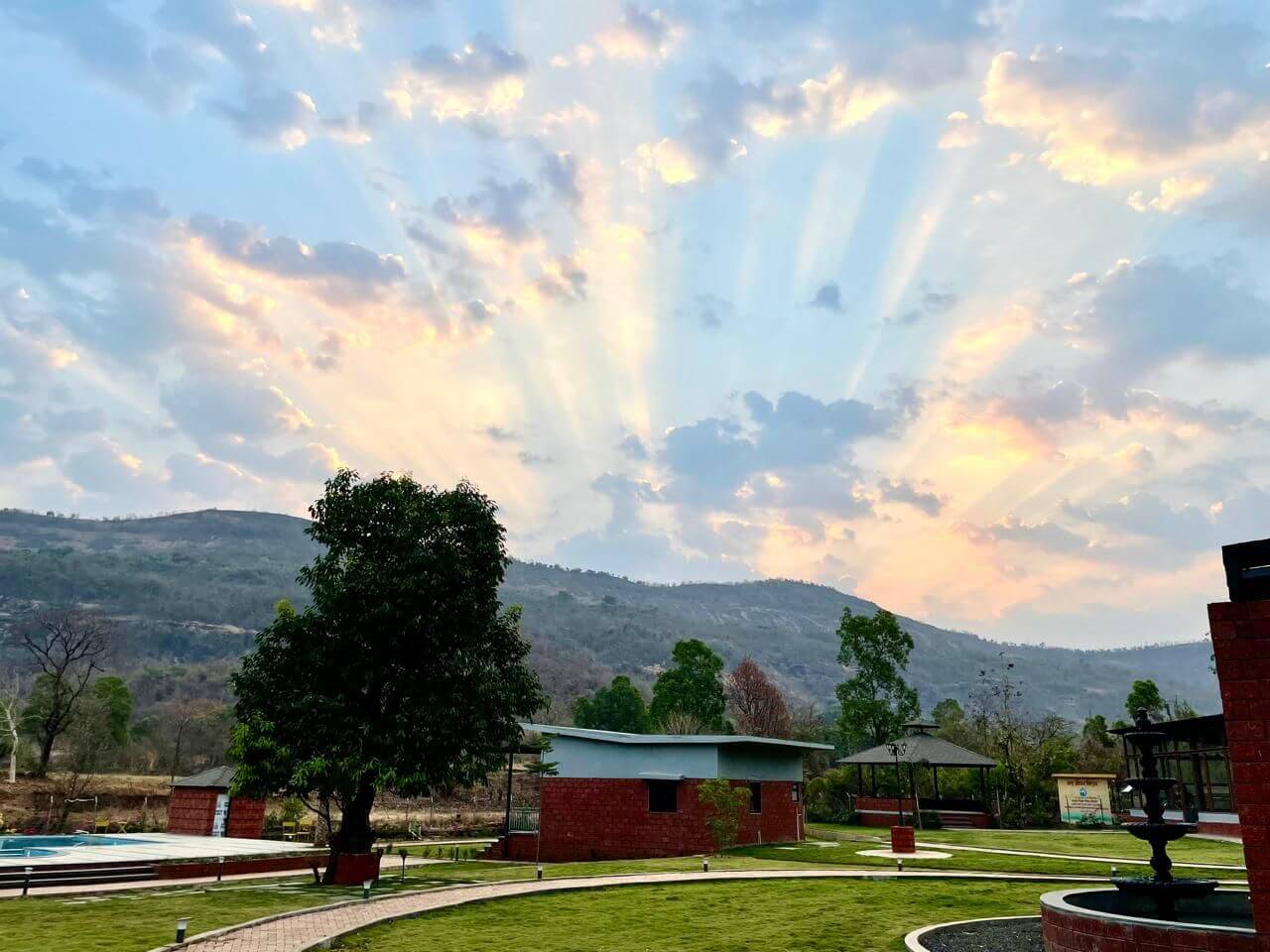
At ZorbaCare — a leading de-addiction and rehabilitation centre in India — this happens on a private residential estate in the hills of Maharashtra, an open, voluntary setting, never a lock-up. Families searching for the right rehab centre in India, from Bangalore and Mumbai to Delhi, choose to travel here for exactly that reason.

When residential treatment is the right level of care
Not everyone needs a residential programme — and we will tell you honestly if you do not. But for these situations, nothing else reliably works.
Repeated relapse
Every attempt to stop at home has ended the same way. The pattern is not weakness — it is the environment, and that is exactly what a residential programme changes.
Physical dependence
Where stopping brings withdrawal — from alcohol, opioids or benzodiazepines — detox must be medically supervised. Doing it alone is dangerous; here it is safe.
Co-occurring conditions
When addiction sits alongside depression, anxiety or trauma, both must be treated together. Our dual diagnosis programme runs inside residential care.
A life that has narrowed
When work, health, money and relationships have all bent around the substance, part-time help is no longer enough. Full-time treatment resets the whole system.
A family at the edge
When those around the person are exhausted and out of options, residential care gives everyone room to breathe — and a real plan instead of another promise.
Needing privacy
For professionals and public figures, treatment away from your own city protects both recovery and reputation. Admission is confidential from the first call.
Four phases, one continuous plan
Recovery is not a single event. The residential programme moves through clear stages — each building on the last, from the first medical days to life after discharge.
Medical detox & stabilisation
The first days are medical. Withdrawal is managed safely under 24-hour supervision so the body can stabilise. Explore the detox programme in full.
Therapeutic core
The heart of treatment — individual CBT, group therapy, dual-diagnosis care and the daily structure that rebuilds routine, motivation and self-understanding.
Life-skills & family work
Relapse-prevention planning, coping tools for high-risk moments, and structured family therapy so the home someone returns to supports recovery.
Aftercare & transition
Discharge is not the finish line. A structured aftercare plan carries recovery through the vulnerable first year and into an alumni community.
Every plan is individual. The length and emphasis of each phase is set after clinical assessment — never sold as a fixed package before we understand the person.
See where recovery happens
A private residential estate in the Sahyadri hills — the environment is part of the treatment, not a backdrop to it.
Evidence-based addiction treatment, delivered daily
The residential programme is built on clinical methods with a track record — not a single technique, but a coordinated system applied consistently.
Cognitive Behavioural Therapy
One-to-one CBT to identify the thoughts and triggers that drive use, and to build durable strategies to respond to them differently.
Group & peer therapy
Structured group work and a 12-step foundation. Recovery alongside others who understand breaks the isolation addiction thrives in.
Dual-diagnosis care
Psychiatric treatment for co-occurring depression, anxiety or trauma, integrated into the plan rather than treated as separate.
Relapse prevention
A practical toolkit for the highest-risk moments, plus the routine and decision-making skills for a stable return to daily life.
Wellness & movement
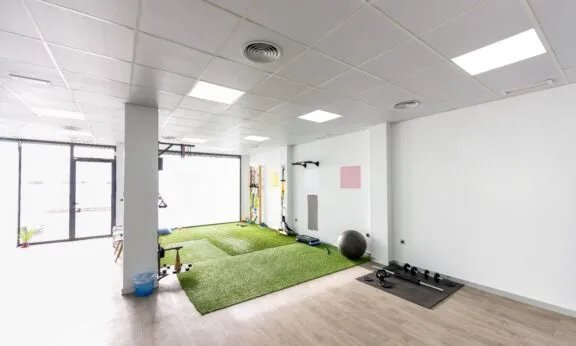
Yoga, fitness, nutrition and mindfulness restore the body and the daily rhythm that addiction erodes — recovery you can feel.
Family therapy
Guided sessions that repair trust and equip the family to support recovery — because the person returns to a system, not a vacuum.
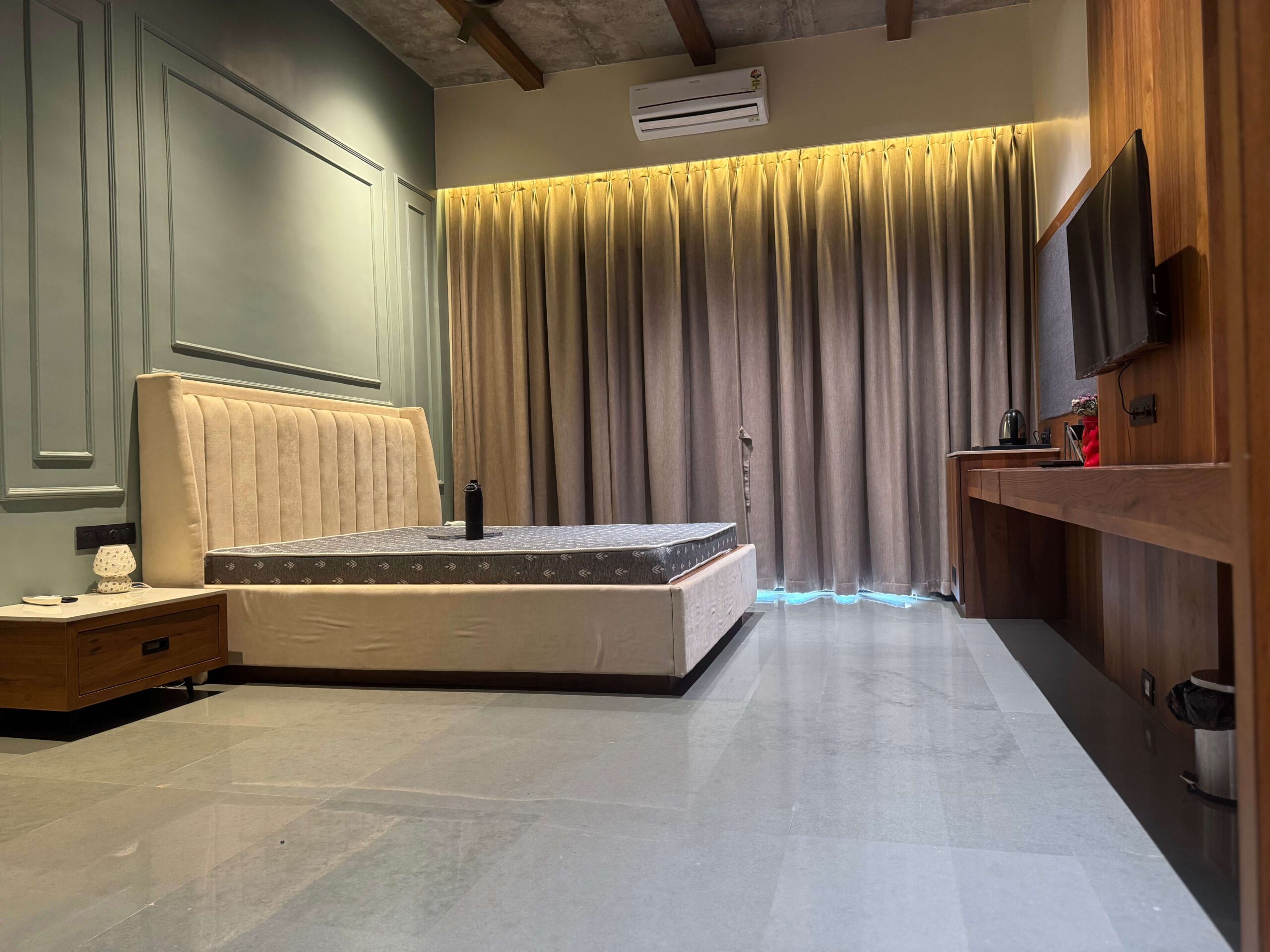
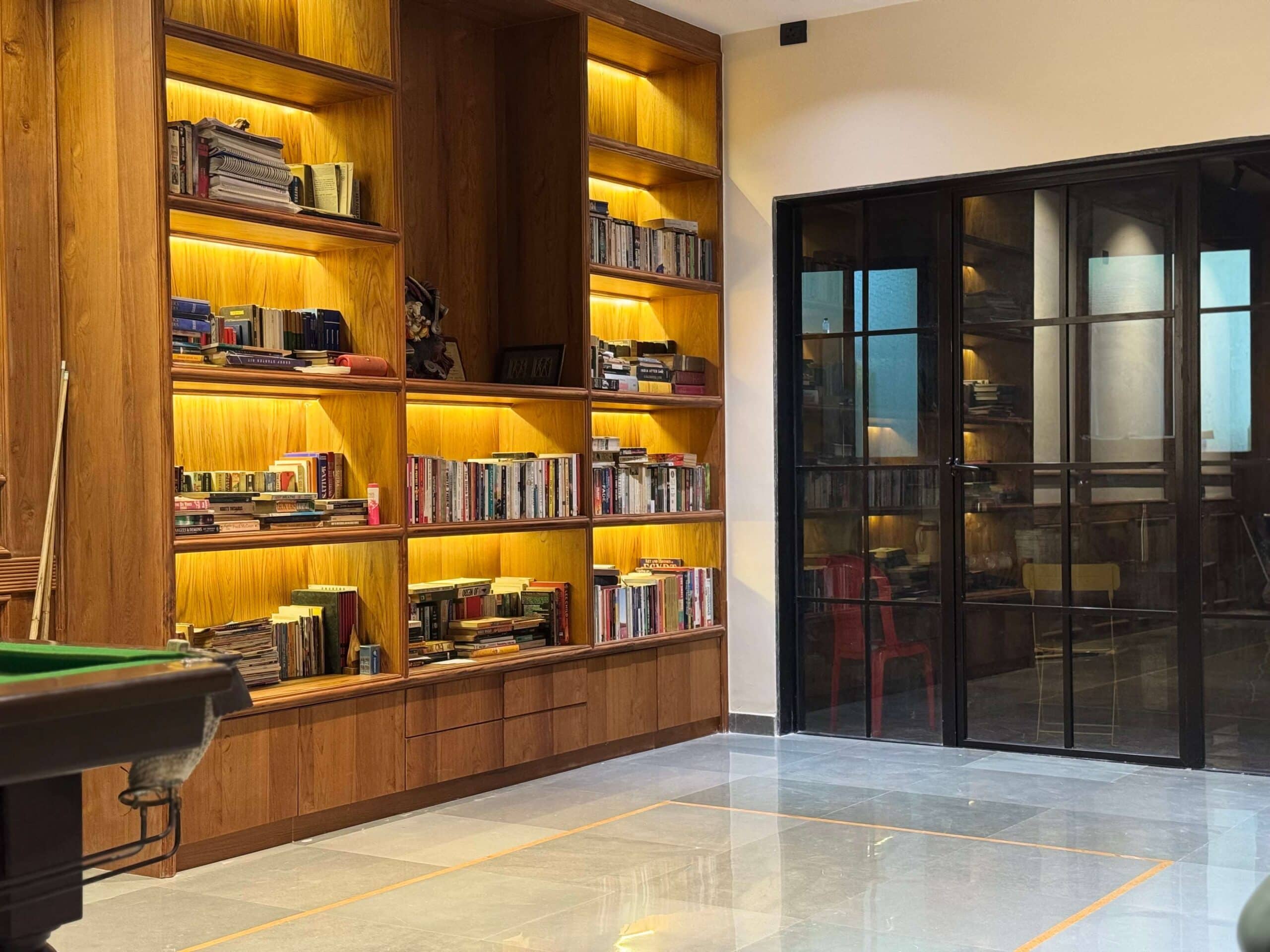
Comfort is clinical, not cosmetic
Recovery is hard enough. Private rooms, calm surroundings and space to breathe let people focus on the work instead of enduring the setting.


What 90 to 120 days changes
Short stays interrupt addiction. A full residential programme replaces it — with new patterns, real skills and a life worth staying sober for.
- Body dependent, sleep and health broken
- Trust with family worn thin or gone
- No tools for cravings or triggers
- Underlying anxiety or trauma untreated
- Days shaped entirely around the substance
- Physically detoxed, sleep and health restored
- Family repaired through guided therapy
- A relapse-prevention plan you can use
- Co-occurring conditions properly treated
- A structured, sober life — and a community
Residential programme vs. treatment at home
Outpatient support can work for mild, early dependence. But for most families who reach the point of searching, these are the differences that decide the outcome.
The residential difference
Recovery stories from the programme
Some journeys are best heard from the people who lived them. Real stories from people who completed residential treatment at ZorbaCare.
After losing his wife suddenly, he struggled with alcohol addiction as a way to cope with grief. But over time, he chose to face his pain, seek support, and rebuild his life.
How does a normal working person end up homeless addicted to drugs. That is what happened to me.
I have lost my love, my job, my family, everything because of my addiction. I thought I would never heal, but now i am more than a year sober.
Started in college as a fun activity from beer to regular frequency drinking. From a life that i loved to out of control drinking.
How admission works
Reaching out is the hardest part. Admission to the residential programme is handled clearly, discreetly and without pressure — from anywhere in India.
One confidential call
No judgement, no pressure to commit. We listen first and tell you honestly whether the residential programme is the right step.
Clinical assessment
A clinician understands the history, substance, health and situation, then answers every question about treatment, length and cost.
We arrange the journey
Admission is confirmed and the entire journey is arranged door to door — pickup, transfer and timing, all handled for you.
Treatment & family updates
The programme begins the day you arrive, with regular updates to family throughout — so you are never left wondering how recovery is progressing.
Same-day admission is often possible. If the situation is urgent, call us and we will tell you honestly what can be arranged today.
Trusted by families across India
Real words from people who completed the programme with ZorbaCare. More than 250 five-star reviews on Google.
Our family is deeply grateful to ZorbaCare for the care and support they provided throughout our loved one’s recovery. The team was compassionate, professional, and always approachable. Dr. Sayantani Mukherjee ensured that every stage of treatment was clearly explained. Recovery coaches Sandy and Mel provided constant motivation, while psychologist Shamika helped address the emotional challenges behind the addiction. The positive changes have been remarkable.
Recovery is never easy, but my four months at Zorba gave me a strong foundation for a healthier and more positive future. I am grateful for the guidance, support, and encouragement I received throughout my stay. I would highly recommend Zorba to anyone seeking professional help for addiction recovery. Thank you, Zorba, for helping me start a new chapter in my life. 🙏
Zorbacare truly changed my life. The care, support, and guidance I received throughout my recovery journey were exceptional. The staff is compassionate, professional, and genuinely committed to helping people rebuild their lives. I am grateful for the positive impact they have had on me and my family. Thank you, Zorbacare, for giving me a new direction and a fresh start.
It has been 17 months now, i have been sober because of them and they still take regular updates and check ins. Can’t thank them enough specially Sandeep sir. They have been there for me in ways i couldn’t believe. I stayed there for 3 months and still being a part of AA and their aftercare program. They have become a family now.
Addiction treatment for every dependence
The residential programme adapts to the substance and the person. Explore treatment for the addictions we most often see.
Alcohol Addiction
Medically supervised alcohol detox followed by the full therapeutic programme.
Learn more → TreatmentDrug Addiction
Structured residential care for dependence on prescription and illicit drugs.
Learn more → TreatmentHeroin & Opioids
Safe, supervised opioid withdrawal and long-term relapse prevention.
Learn more → TreatmentBehavioural Addiction
Gambling and gaming dependence — real, treatable conditions treated with therapy.
Learn more →Levels of care around the core programme
Residential treatment sits at the centre of a wider system. Explore the programmes that lead into it, run alongside it, and continue after it.
Medical Detox
The supervised first phase — safe withdrawal management before the therapeutic programme.
Learn more → Level of CareDual Diagnosis
Integrated treatment for addiction alongside depression, anxiety or trauma.
Learn more → Continuing CareAftercare & Alumni
Relapse prevention and lifelong community support after the programme ends.
Learn more → SupportFamily Programme
Structured therapy and guidance so families heal alongside their loved one.
Learn more →What families ask us
Clear answers to the questions we hear most before the programme begins. Anything else — just reach out.
Our residential programme typically runs 90 to 120 days. Detox is roughly the first week to ten days; the therapeutic and integration work that makes recovery last fills the months that follow. Ninety days is our usual minimum for durable change, and more complex dependence often needs the full 120 — we advise honestly after clinical assessment rather than selling a fixed package upfront.
Yes. ZorbaCare is a voluntary, open residential setting — never a lock-up. Recovery built on consent and trust is far more durable than anything imposed by force.
Medically supervised detox, individual CBT, group and peer therapy, dual-diagnosis psychiatric care, family therapy, wellness and movement, and a structured relapse-prevention and aftercare plan. It is a coordinated system, not a single technique.
Yes — a large share of the people we treat are employed, often senior. Admission is discreet, and our team can advise on how to manage time away from work without disclosure you are not comfortable with.
The residential estate is in the Sahyadri hills of Maharashtra. Wherever you are in India, the entire journey is organised as part of admission — pickup, transfer and timing — so a family in crisis is never left to work it out under pressure.
Yes. Visits are scheduled and supported as part of the programme, and families receive regular updates throughout so you are never left wondering how recovery is progressing.
Completely. Confidentiality is central to how we operate, from the first call through admission and aftercare. For many families, that anonymity is the main reason they choose to travel for treatment.
Families come to us from across India
The residential programme serves every major Indian city. Wherever you are, admission and travel are fully coordinated for you.
Sources & References
- Ambekar A, et al. Magnitude of Substance Use in India 2019. National Drug Dependence Treatment Centre, AIIMS, for the Ministry of Social Justice & Empowerment, Government of India.
- Gururaj G, et al. National Mental Health Survey of India, 2015–16. National Institute of Mental Health and Neurosciences (NIMHANS), Bengaluru.
- World Health Organization. National Mental Health Survey & NDDTC-AIIMS, India.
This page is for general information and is not a substitute for professional medical advice. If you or someone you know needs help with substance dependence, please speak with a qualified clinician.
