
Borderline Personality Disorder Treatment in India.
If emotions hit harder and last longer than they seem to for everyone else, if relationships swing between closeness and fear of abandonment, and if your sense of self feels unsteady — it may be BPD, and it is treatable. Borderline personality disorder is not a character flaw; it is a set of coping patterns, often rooted in early pain. ZorbaCare provides BPD treatment in India built on Dialectical behavior therapy (DBT), the leading therapy for it, as part of complete, compassionate mental health care. Recovery is real — most people improve substantially, and many no longer meet the criteria at all.

An emotional rollercoaster — with no seatbelt
Borderline personality disorder (BPD) is a condition of intense, fast-changing emotions and unstable relationships and self-image. People with BPD often feel everything more strongly — joy, hurt, fear, anger — and those feelings can shift within hours, frequently triggered by something in a relationship. It is best understood not as a flaw in character, but as a nervous system that learned to feel intensely, usually in a painful or invalidating early environment.
BPD is one of the most stigmatised and misunderstood diagnoses — wrongly treated as a label for being “difficult” or “attention-seeking.” None of that is true or fair. The patterns that make up BPD — fear of abandonment, all-or-nothing relationships, a shaky sense of self — are understandable responses to deep pain, not signs of a bad person. And crucially, they are among the most changeable patterns in mental health, because BPD responds so well to the right therapy.
Here is the most important truth: BPD is highly treatable, and recovery is real. With proper BPD treatment in India — led by Dialectical behavior therapy (DBT) and supported by other therapies — most people improve substantially, and many no longer meet the full criteria over time. The distressing symptoms, like self-harm urges, often ease earliest. Because BPD frequently occurs with depression, anxiety or trauma, we treat the whole person.

How BPD actually shows up
BPD is diagnosed from a pattern of these signs over time, not a single trait. Reading them can be the moment things finally make sense. These are the ones we see most often.
Intense, shifting emotions
Feelings that hit harder and last longer than they seem to for others, and can swing dramatically within hours — the emotional rollercoaster at the heart of BPD.
Fear of abandonment
An intense fear of being left or rejected — and frantic efforts to avoid it — even when the threat is imagined rather than real.
Unstable relationships
Relationships that swing between idealising someone and feeling let down by them — intense closeness one moment, distance or conflict the next.
Unstable sense of self
A shifting self-image — unsure of who you are, what you want or believe — and a chronic, aching feeling of emptiness inside.
Impulsivity & intense anger
Impulsive actions when emotions surge, and anger that feels bigger than the moment — hard to control, and often followed by guilt.
Self-harm & crisis urges
Self-harm or suicidal thoughts, often as a way to cope with unbearable emotional pain. This is serious and treatable — please reach out. In a crisis, call Tele-MANAS on 14416, any time.
DBT-led care, built around you
BPD responds best to structured skills, not willpower — and DBT was built for exactly this. Recovery is a path, and we walk it in phases. This is how BPD care works at ZorbaCare.
Safety & stability first
The first phase focuses on safety — easing self-harm urges and crises — and understanding your history with compassion. These distressing symptoms often improve earliest.
DBT skills
The heart of treatment: learning the four core DBT skills — emotion regulation, distress tolerance, interpersonal effectiveness and mindfulness — until they become second nature.
Individual therapy & relationships
One-to-one therapy applies these skills to real relationship patterns, triggers and your personal history — building steadier connections and a firmer sense of self.
Building the life you want
The later work turns to the deeper sense of self and the life you want to build, with a relapse-prevention plan. Structured aftercare keeps the skills alive.
Care is individual. Recovery from BPD is not a straight line, and a hard week is not a failure. There is no single “BPD pill”; where medication helps co-occurring depression or anxiety, it is used carefully. Your plan is always set by a specialist.
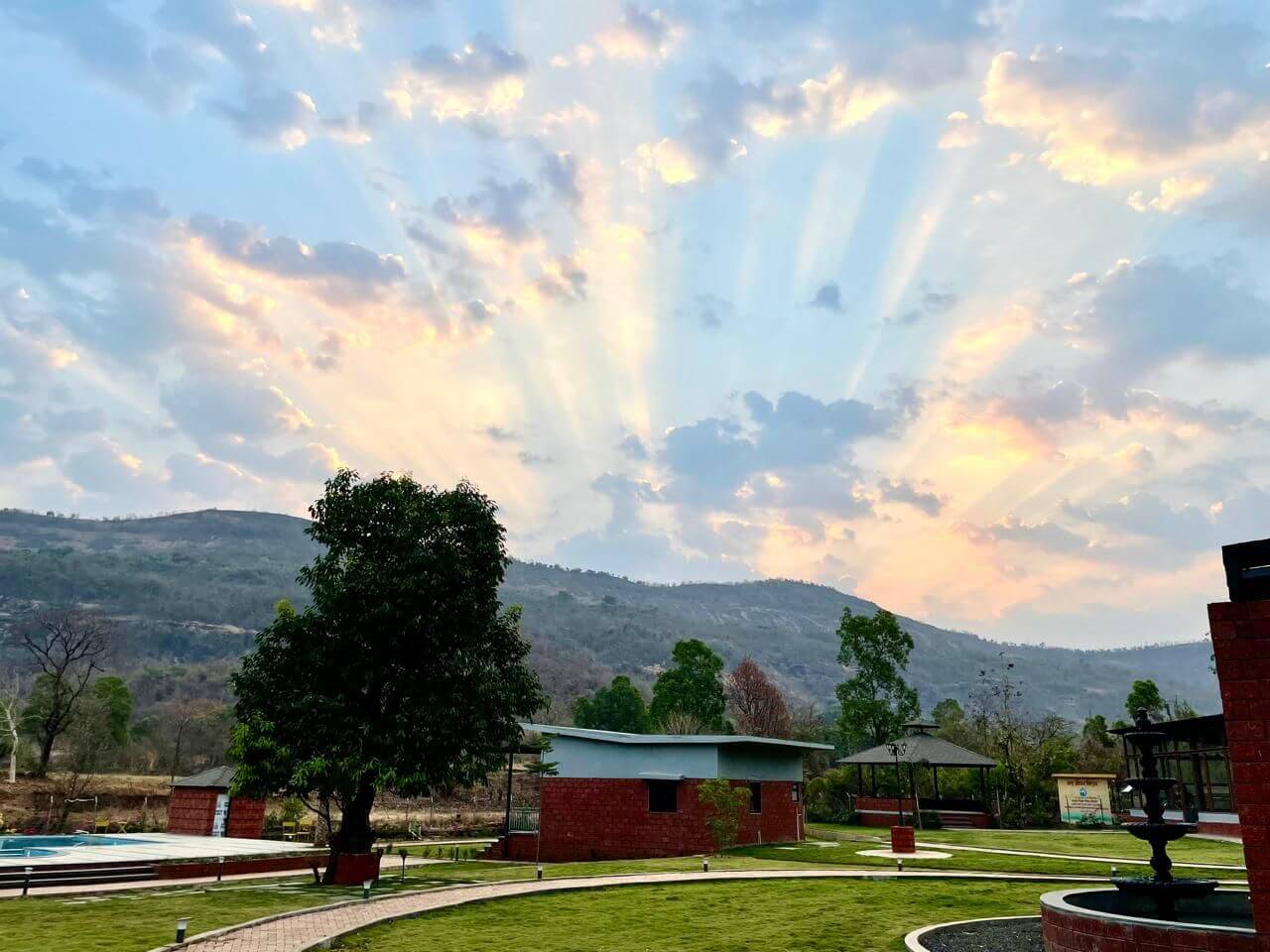
See where recovery happens
A private residential estate in the Sahyadri hills — the environment is part of the treatment, not a backdrop to it.
The therapies that build a steadier life
BPD recovery is built on skills, self-understanding and steadier relationships. These are the evidence-based components we combine.
Dialectical Behaviour Therapy
DBT is the leading treatment for BPD, built specifically for it. It teaches four skill sets — emotion regulation, distress tolerance, interpersonal effectiveness and mindfulness — that change daily life.
Cognitive Behavioural Therapy
CBT and schema-focused work address the deep beliefs about self and others that drive BPD patterns — reshaping them alongside the practical DBT skills.
Mindfulness & distress tolerance
Practical skills to ride out intense emotions without acting on them — so a surge of feeling no longer has to become a crisis.
Medication where needed
There is no specific medication for BPD itself, but a psychiatrist may treat co-occurring depression, anxiety or mood instability — carefully monitored, alongside therapy.
Group skills & peer support
DBT skills are often learned in a group, where practising with others who understand builds both the skills and a sense of belonging that counters isolation.
Family & relationship work
BPD strains relationships, but they can heal. We help family and partners understand the condition and communicate in ways that support recovery — through family sessions.
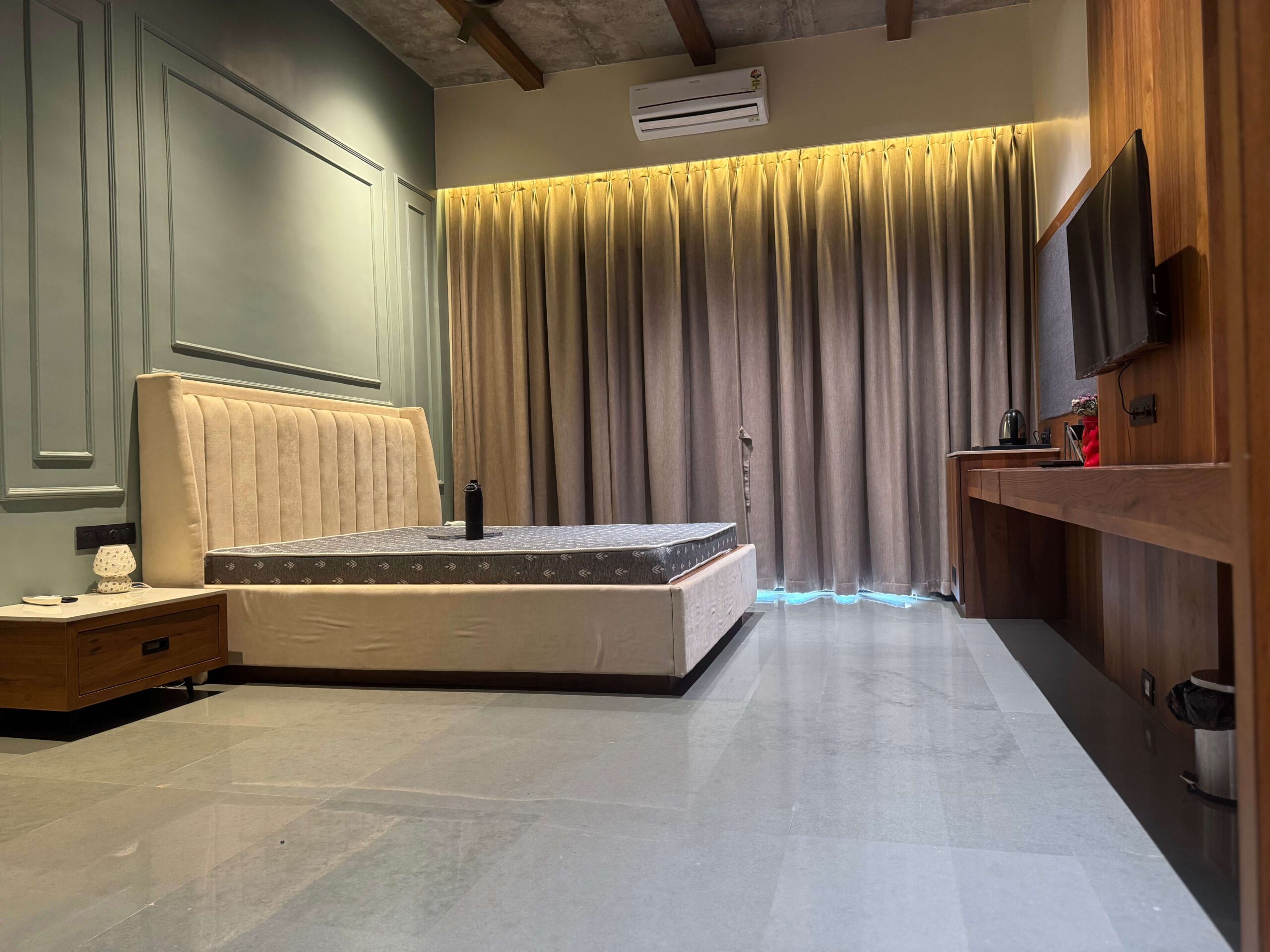
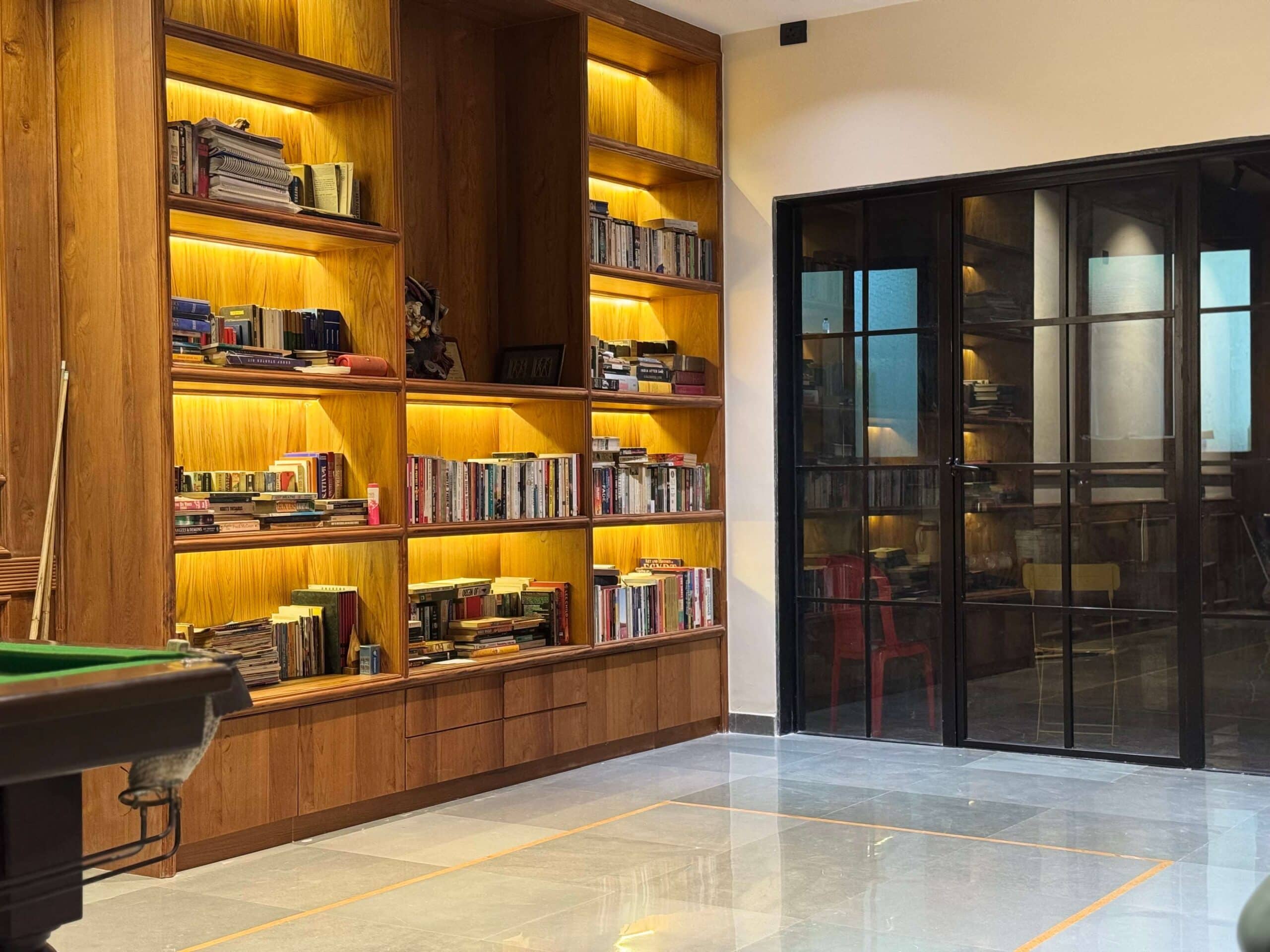
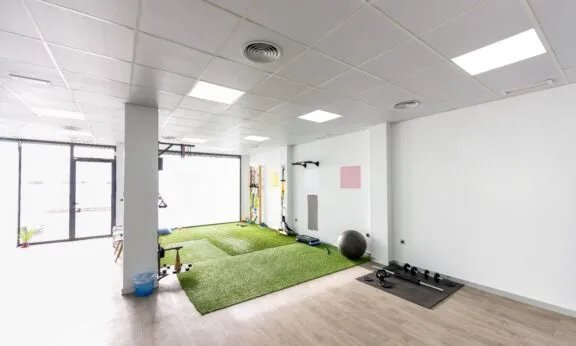
A safe, steady place to heal
BPD recovery grows in safety and consistency. Private rooms, open green space and calm, predictable days give the steady ground that skills-building and healing depend on.

Living with it vs. treating it
Untreated, BPD keeps emotions and relationships in turmoil, and the pain can feel permanent. Treated with DBT, the storms settle and life steadies. This is the difference the right care makes.
- Emotional storms feel constant and uncontrollable
- Relationships break down again and again
- Self-harm and crises as the only way to cope
- A shifting, painful sense of who you are
- Believing, wrongly, that it can never change
- Emotions become manageable, not overwhelming
- Relationships grow steadier and more secure
- Real skills to ride out crises without self-harm
- A clearer, steadier sense of who you are
- A stable, meaningful life — many fully recover
Stigma & struggle vs. proper DBT care
BPD is too often met with judgement or written off as untreatable — both wrong. With the right therapy, it is one of the most changeable conditions there is. These are the differences.
Compassionate, DBT-led care
Recovery stories, in their own words
Some journeys are best heard from the people who lived them. Real stories from people who built steadier, fuller lives with ZorbaCare.
After losing his wife suddenly, he struggled with alcohol addiction as a way to cope with grief. But over time, he chose to face his pain, seek support, and rebuild his life.
How does a normal working person end up homeless addicted to drugs. That is what happened to me.
I have lost my love, my job, my family, everything because of my addiction. I thought I would never heal, but now i am more than a year sober.
Started in college as a fun activity from beer to regular frequency drinking. From a life that i loved to out of control drinking.
Reaching out is a step toward steadier ground
Recognising these patterns takes courage, and asking for help is a strength. From your first call, the process is warm, confidential and free of judgement — from anywhere in India.
One confidential call
Tell us what you or your loved one is going through. We listen with warmth and no judgement, and explain how DBT-led care can help.
Compassionate assessment
A specialist assesses the pattern of symptoms and any related conditions, and builds a DBT-based treatment plan around you.
We arrange everything
Admission is confirmed and the whole journey is arranged door to door — travel, timing and settling in, all handled for you.
Treatment begins
Your care team takes over from the moment you arrive — with family kept informed and involved throughout.
If there is any risk to life, act now. For thoughts of self-harm or suicide, call Tele-MANAS on 14416 (24×7) or reach us directly — please do not wait.
BPD care led by DBT-trained specialists
Your BPD care is directed by psychiatrists and psychologists trained in DBT — the specific expertise that makes recovery from BPD possible.

Trusted by families across India
Real words from people who completed the programme with ZorbaCare. More than 250 five-star reviews on Google.
Our family is deeply grateful to ZorbaCare for the care and support they provided throughout our loved one’s recovery. The team was compassionate, professional, and always approachable. Dr. Sayantani Mukherjee ensured that every stage of treatment was clearly explained. Recovery coaches Sandy and Mel provided constant motivation, while psychologist Shamika helped address the emotional challenges behind the addiction. The positive changes have been remarkable.
Recovery is never easy, but my four months at Zorba gave me a strong foundation for a healthier and more positive future. I am grateful for the guidance, support, and encouragement I received throughout my stay. I would highly recommend Zorba to anyone seeking professional help for addiction recovery. Thank you, Zorba, for helping me start a new chapter in my life. 🙏
Zorbacare truly changed my life. The care, support, and guidance I received throughout my recovery journey were exceptional. The staff is compassionate, professional, and genuinely committed to helping people rebuild their lives. I am grateful for the positive impact they have had on me and my family. Thank you, Zorbacare, for giving me a new direction and a fresh start.
It has been 17 months now, i have been sober because of them and they still take regular updates and check ins. Can’t thank them enough specially Sandeep sir. They have been there for me in ways i couldn’t believe. I stayed there for 3 months and still being a part of AA and their aftercare program. They have become a family now.
BPD rarely travels alone
It often occurs with depression, anxiety or trauma. We treat the whole person, not one label. Explore the related conditions we care for.
Depression
Anxiety and depression frequently occur together, and respond well to combined care.
Learn more → ConditionTrauma & PTSD
Unresolved trauma often underlies depression. We treat the root, not just the symptom.
Learn more → ConditionBipolar Disorder
BPD is often confused with bipolar, but they differ — and are treated differently.
Learn more → ProgrammeDual Diagnosis
When depression drives alcohol or drug use, we treat both together — the missing piece.
Learn more →The programmes behind your recovery
Depression is treated within our wider clinical programmes. Explore the levels of care that support it.
Residential Care
Immersive, structured treatment in a calm setting — ideal for moderate to severe depression.
Learn more → Level of CareDual Diagnosis
Integrated treatment for addiction alongside depression, anxiety or trauma.
Learn more → Continuing CareAftercare & Alumni
Relapse prevention and lifelong community support after the programme ends.
Learn more → SupportFamily Programme
Structured therapy and guidance so families heal alongside their loved one.
Learn more →Common questions about BPD
Honest answers to what people most often ask us. Anything else — just reach out.
No, on both counts. BPD is a recognised mental health condition, not a character flaw and certainly not “crazy.” The patterns that make it up developed as ways of coping, usually in a painful or invalidating early environment — they are a nervous system that learned to feel intensely, not a bad person. Understanding this is often the first relief people feel: what they have struggled with has a name, an explanation, and effective treatment.
DBT — Dialectical Behaviour Therapy — is the leading treatment for BPD, developed specifically for it. It teaches four core skill sets: emotion regulation (handling intense feelings), distress tolerance (getting through crises without self-harm), interpersonal effectiveness (steadier relationships), and mindfulness (staying grounded in the present). It combines accepting yourself as you are with actively building change. With practice, these skills become second nature and genuinely transform daily life.
They sound similar but are different conditions. Bipolar disorder involves distinct mood episodes — mania and depression — that last days to weeks and are not usually triggered by events. BPD involves rapid emotional shifts, often within hours and usually triggered by something in a relationship, along with lasting patterns in identity and relationships. They are treated quite differently, so an accurate diagnosis matters — and it is possible to have both.
Recovery is genuinely real — this is the most important myth to correct. Followed over time, most people with BPD improve substantially with DBT-based treatment, and a significant proportion no longer meet the full diagnostic criteria. Treatment also markedly reduces self-harm and suicide risk. The most distressing symptoms often improve earliest. Recovery is not usually a straight line, and a hard week is not a failure — but a steady, fulfilling life is absolutely achievable.
Your steady presence matters more than perfect words. Try to validate their feelings even when you do not share the reaction — “I can see this really hurts” helps more than “you’re overreacting.” Stay calm during emotional storms, keep consistent and kind boundaries, and don’t take the intensity personally — it is the condition, not a verdict on you. Look after yourself too. Family involvement genuinely improves recovery, and we guide loved ones directly. In a crisis or if there is any self-harm risk, call Tele-MANAS on 14416.
DBT is a longer-term therapy — often structured over many months — so cost is best understood as an ongoing investment rather than a one-off. It is usually delivered on an outpatient basis, with more intensive or residential support during crises or early stabilisation. We give a clear, written breakdown up front, with no hidden costs. The best first step is a confidential call to talk through what fits your situation.
Completely. Confidentiality is central to how we operate, from the first call through admission and aftercare. For many families, that anonymity is the main reason they choose to travel for treatment.
BPD & mental health care across India
Our mental health and rehabilitation programmes serve every major Indian city. Wherever you are, admission and travel are fully coordinated for you.
Sources & A Note On Safety
- National Institute of Mental Health (NIMH), Borderline Personality Disorder; research on DBT (Linehan) and long-term BPD outcomes.
- Gururaj G, et al. National Mental Health Survey of India, 2015–16. National Institute of Mental Health and Neurosciences (NIMHANS), Bengaluru.
- World Health Organization. National Mental Health Survey & NDDTC-AIIMS, India.
This page is for general information and is not a substitute for professional medical advice, diagnosis or treatment. If you or someone you love may have BPD, please speak with a clinician trained in DBT. Recovery is real, and reaching out is a strength. In a crisis, call Tele-MANAS on 14416 (24×7, India).