
Addiction Intervention Services.
When someone you love is addicted but refuses to get help, a professional intervention can be the turning point. Our trained interventionists guide families in India through a calm, structured conversation that breaks through denial and moves a resistant loved one toward accepting treatment. It is not an ambush or a confrontation — it is a planned, compassionate process, led by an expert, that gives your family its best chance of hearing “yes.”

When they refuse help, you don’t have to wait for “rock bottom”
An intervention is a planned, guided conversation in which a family — supported by a trained interventionist — helps a loved one see the reality of their addiction and accept treatment. The old belief that an addict must hit “rock bottom” before they can be helped is a myth, and often a fatal one. A skilled intervention can raise that bottom, creating the turning point far sooner.
What makes it work is structure and expertise. Families who confront a loved one alone, in anger or desperation, usually make things worse. A professional interventionist keeps the conversation calm, focused and loving, so denial gives way instead of hardening — and connects directly to drug addiction treatment and alcohol addiction treatment the moment the answer is yes.
At ZorbaCare — a leading de-addiction and rehabilitation centre in India — our interventionists support families across the country, from Bangalore and Mumbai to Delhi — and when the person agrees, a place in our residential programme is ready without delay.

Signs it is time for an intervention
If you recognise these, waiting rarely helps — and a guided intervention may be the safest way forward.
They deny there is a problem
They insist they are fine, can stop anytime, or that everyone is overreacting — while the evidence around them says otherwise. Denial is the addiction talking.
They refuse all help
Every conversation about treatment is shut down, deflected or turned into an argument. Talking has stopped working — and a structured approach is needed.
The situation is getting worse
Health, work, money or relationships are visibly deteriorating, and the decline is accelerating. Waiting for “rock bottom” risks it being too late.
Broken promises to quit
They have sworn to stop many times and always returned to using. Good intentions alone have failed, repeatedly — a turning point has to be created.
The family is at breaking point
Everyone around them is exhausted, frightened and out of ideas. When the family cannot go on like this, an intervention offers a way forward.
You fear for their safety
When the risk of an overdose, an accident or self-harm is real, there is no time to wait. A prompt, professional intervention can be lifesaving.
A calm, planned process — never an ambush
A professional intervention follows careful stages. Every step is prepared in advance, so the conversation itself stays loving, controlled and effective.
Confidential consultation
It begins with a private call. We learn about your loved one, the addiction and the family, and assess whether an intervention is the right step — and how to approach it safely.
Planning & preparation
The interventionist works with the family to prepare — who takes part, what each person will say, and the boundaries that follow. Nothing is left to chance or heat of the moment.
The intervention
Guided by the interventionist, the family speaks with their loved one honestly and without blame — presenting the reality, the impact, and a clear, immediate path to treatment.
Straight into treatment
The moment they agree, admission is ready — no delay for doubt to creep back in. Where a family needs ongoing help, our family recovery support continues alongside.
Preparation is everything. The difference between an intervention that works and one that backfires is planning — which is exactly what a professional interventionist brings.
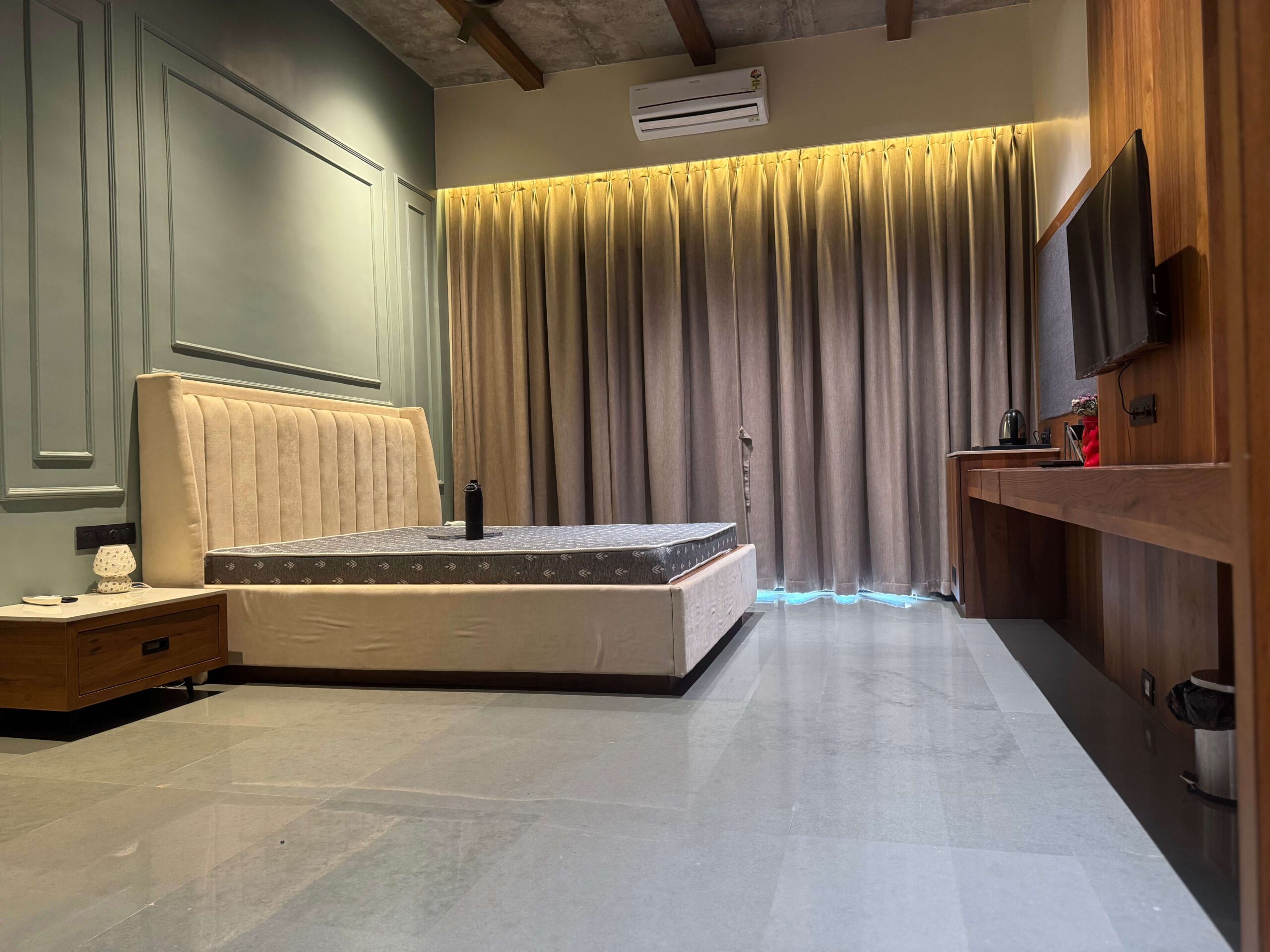
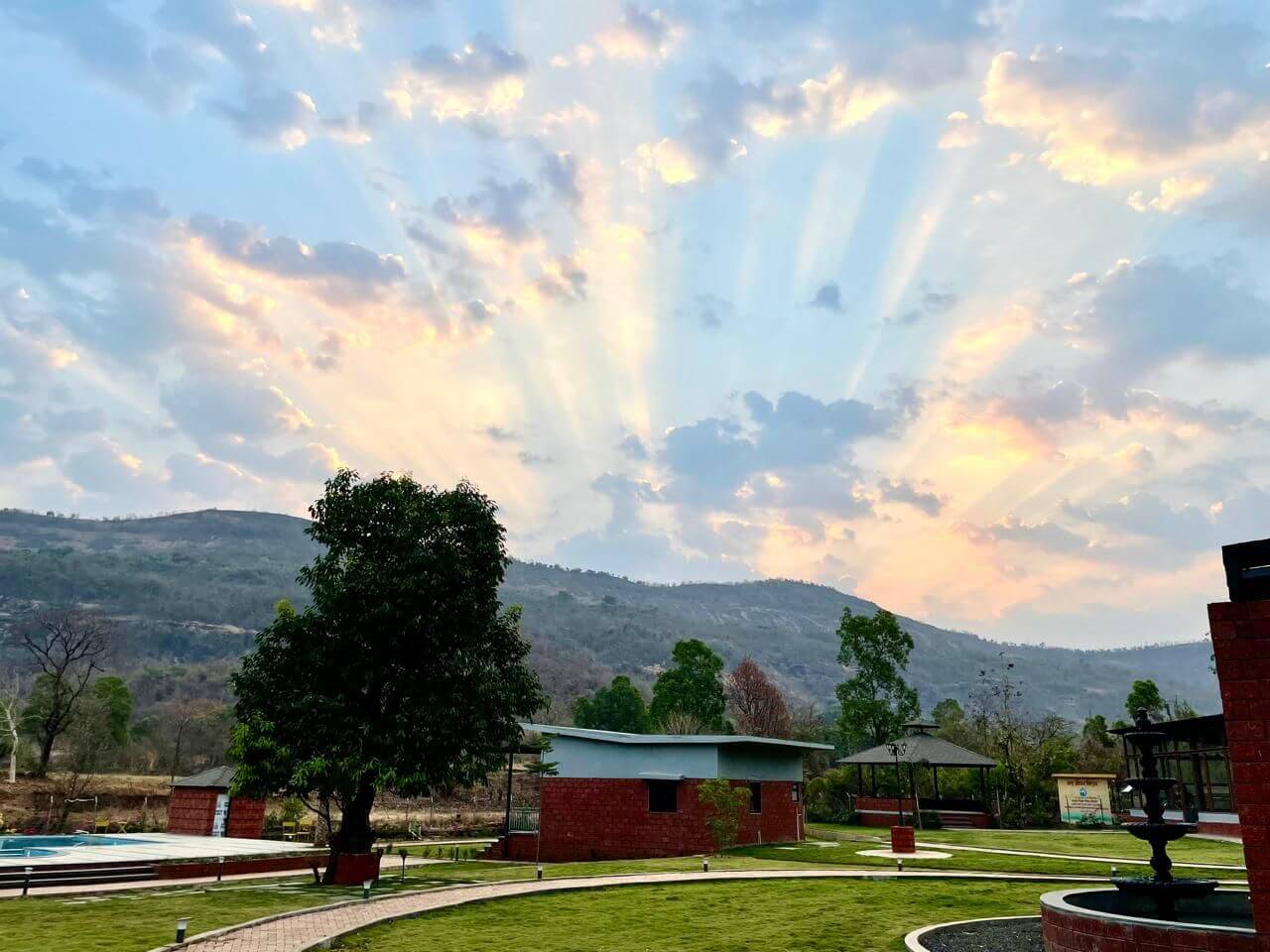
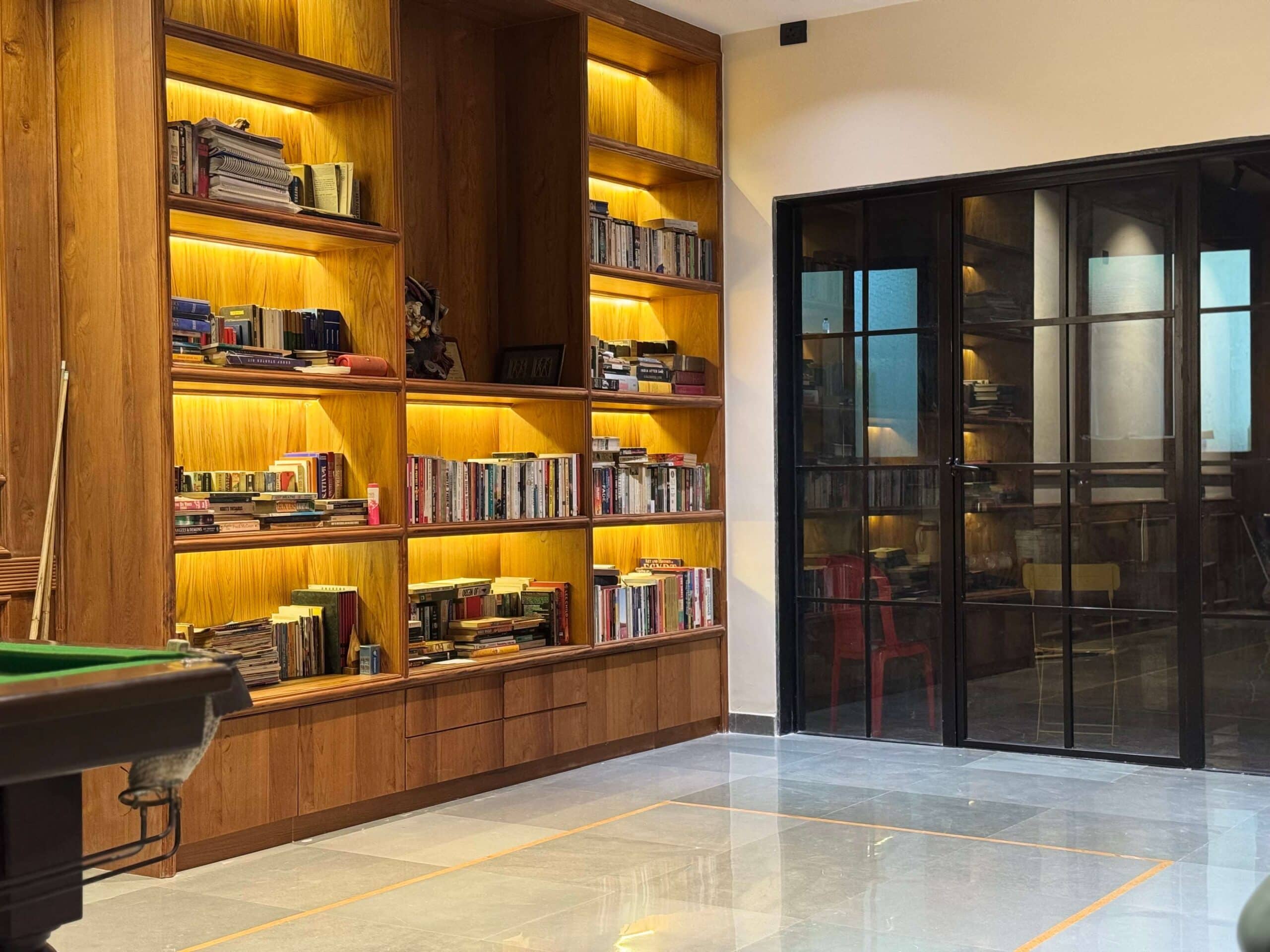
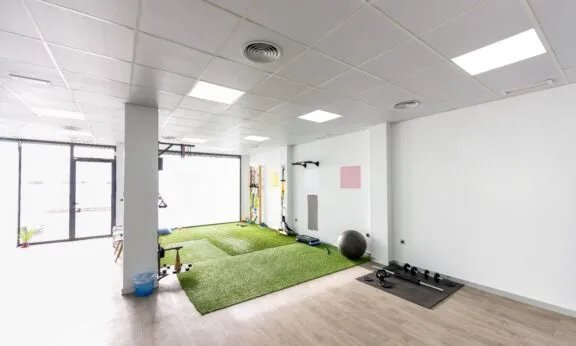
See where recovery happens
A private residential estate in the Sahyadri hills — the environment is part of the treatment, not a backdrop to it.
Why a guided intervention beats going it alone
Families mean well, but emotion and history make a solo confrontation risky. An interventionist brings the structure that changes the outcome.
An impartial guide
A neutral expert with no history in the family’s conflicts keeps the conversation calm and on track when emotions inevitably run high.
A proven structure
A tested, step-by-step approach — not an angry confrontation — that consistently gives families the best chance of a yes.
Breaking through denial
Skilled techniques to move past the defensiveness and denial that shut down every previous conversation about getting help.
Coaching for the family
Every family member is prepared in advance — what to say, how to say it, and how to hold firm — so the message lands with love, not blame.
Immediate admission
A treatment place ready the instant they agree — closing the dangerous window in which a ‘yes’ can slip back into a ‘not yet.’
Support if they say no
Even a ‘no’ is not the end. We help the family set boundaries and change the dynamic — often the very thing that brings a later ‘yes.’
The place they’ll say yes to
When someone agrees to treatment, they come to a calm, private estate designed for recovery — not an institution to fear.


A family confrontation vs. a guided intervention
The same love and the same worry — but one approach hardens denial, and the other opens the door to treatment.
- Emotion takes over and it becomes a fight
- Old grievances derail the conversation
- Denial hardens and defences go up
- No treatment ready even if they agreed
- They walk out, angrier and further away
- A calm, structured conversation that stays on track
- An impartial expert keeping emotion in check
- Denial met with skill, not more argument
- A treatment place ready the moment they agree
- A real chance they say yes — and go
Waiting and hoping vs. a professional intervention
Doing nothing feels safer, but addiction rarely resolves on its own. These are the differences between waiting and acting.
A professional intervention
Recovery stories from the programme
Some journeys are best heard from the people who lived them. Real stories from families whose loved ones finally said yes.
After losing his wife suddenly, he struggled with alcohol addiction as a way to cope with grief. But over time, he chose to face his pain, seek support, and rebuild his life.
How does a normal working person end up homeless addicted to drugs. That is what happened to me.
I have lost my love, my job, my family, everything because of my addiction. I thought I would never heal, but now i am more than a year sober.
Started in college as a fun activity from beer to regular frequency drinking. From a life that i loved to out of control drinking.
Arranging an intervention
If your family is at this point, you do not have to plan it alone. Reaching out costs nothing and commits you to nothing — from anywhere in India.
One confidential call
Tell us what is happening. We listen, and honestly assess whether an intervention is the right move — and how urgent it is.
We plan it together
A trained interventionist prepares the family — who takes part, what is said, and the boundaries to follow — so nothing is left to chance.
The intervention takes place
Guided by the interventionist, the family holds the conversation calmly and with love — in person or, where needed, online.
Treatment begins at once
The moment they say yes, admission is ready and the journey to the centre is arranged — before doubt has a chance to return.
If you fear for their safety, do not wait. When there is real danger, call now — we can move quickly to help your family act.
Trusted by families across India
Real words from people who completed the programme with ZorbaCare. More than 250 five-star reviews on Google.
Our family is deeply grateful to ZorbaCare for the care and support they provided throughout our loved one’s recovery. The team was compassionate, professional, and always approachable. Dr. Sayantani Mukherjee ensured that every stage of treatment was clearly explained. Recovery coaches Sandy and Mel provided constant motivation, while psychologist Shamika helped address the emotional challenges behind the addiction. The positive changes have been remarkable.
Recovery is never easy, but my four months at Zorba gave me a strong foundation for a healthier and more positive future. I am grateful for the guidance, support, and encouragement I received throughout my stay. I would highly recommend Zorba to anyone seeking professional help for addiction recovery. Thank you, Zorba, for helping me start a new chapter in my life. 🙏
Zorbacare truly changed my life. The care, support, and guidance I received throughout my recovery journey were exceptional. The staff is compassionate, professional, and genuinely committed to helping people rebuild their lives. I am grateful for the positive impact they have had on me and my family. Thank you, Zorbacare, for giving me a new direction and a fresh start.
It has been 17 months now, i have been sober because of them and they still take regular updates and check ins. Can’t thank them enough specially Sandeep sir. They have been there for me in ways i couldn’t believe. I stayed there for 3 months and still being a part of AA and their aftercare program. They have become a family now.
When any addiction has taken hold
Denial looks the same across every substance. Explore the treatment your loved one can move into once they say yes.
Alcohol Addiction
Medically supervised alcohol detox followed by the full therapeutic programme.
Learn more → TreatmentDrug Addiction
Structured residential care for dependence on prescription and illicit drugs.
Learn more → TreatmentHeroin & Opioids
Safe, supervised opioid withdrawal and long-term relapse prevention.
Learn more → TreatmentBehavioural Addiction
Gambling and gaming dependence — real, treatable conditions treated with therapy.
Learn more →Where an intervention leads
An intervention is the doorway to treatment and family healing. Explore what comes next once your loved one accepts help.
Medical Detox
The supervised first phase — safe withdrawal management before the therapeutic programme.
Learn more → Level of CareDual Diagnosis
Integrated treatment for addiction alongside depression, anxiety or trauma.
Learn more → Continuing CareAftercare & Alumni
Relapse prevention and lifelong community support after the programme ends.
Learn more → SupportFamily Programme
Structured therapy and guidance so families heal alongside their loved one.
Learn more →What families ask about intervention
The questions families actually search when a loved one won’t get help. Anything else — just reach out.
You cannot usually force an adult into rehab, but you can powerfully influence the decision through a professional intervention. A trained interventionist helps your family hold a structured, non-confrontational conversation that breaks through denial and presents treatment as the clear next step — with a place ready to go the moment they agree. It is the most effective way to move a resistant person toward help.
It is a planned, guided meeting where family — supported by a trained interventionist — help a loved one see the reality of their addiction and accept treatment. It is calm and loving, not an ambush: every person’s words, the order, and the boundaries are prepared in advance so the conversation stays on track and gives the best chance of a yes.
No — this is one of the most dangerous myths about addiction. Waiting for “rock bottom” can mean waiting until it is too late. A skilled intervention raises the bottom, creating the turning point far sooner by helping the person feel the weight of their situation and see a way out, before the worst happens.
Even a “no” is rarely the end. A well-run intervention plants a seed and shifts the family dynamic — when the family stops enabling and holds new boundaries, many people come to treatment weeks or months later. We prepare families for every outcome and support them afterwards, whatever the immediate answer.
Yes — the family plans and prepares privately, and the loved one is invited into the conversation on the day. This is not deception; it is careful preparation so the meeting stays calm and effective. The interventionist guides exactly how and when to bring the person in, in a way that feels respectful rather than like an ambush.
Quickly when it needs to be. After the first confidential call and planning, an intervention can often be held within days — and if there is real danger to your loved one, we treat it as urgent and move faster. A treatment place is kept ready so there is no gap between yes and admission.
Completely. Confidentiality is central to how we operate, from the first call through admission and aftercare. For many families, that anonymity is the main reason they choose to travel for treatment.
Families come to us from across India
Our interventionists support families in every major Indian city, in person and online, wherever you are.
Sources & References
- Ambekar A, et al. Magnitude of Substance Use in India 2019. National Drug Dependence Treatment Centre, AIIMS, for the Ministry of Social Justice & Empowerment, Government of India.
- Gururaj G, et al. National Mental Health Survey of India, 2015–16. National Institute of Mental Health and Neurosciences (NIMHANS), Bengaluru.
- World Health Organization. National Mental Health Survey & NDDTC-AIIMS, India.
This page is for general information and is not a substitute for professional medical advice. If you or someone you know needs help with substance dependence, please speak with a qualified clinician.
