
Anger & Impulse-Control Disorder Treatment in India.
When anger explodes out of proportion, when impulses override control, or when a child or teen’s defiance and aggression disrupt everything — these are not simply “bad behaviour” or a bad temper. They are recognised, treatable conditions. ZorbaCare provides impulse-control and conduct disorder treatment in India — for intermittent explosive disorder, oppositional defiant disorder and conduct disorder — as part of complete mental health care. With the right therapy and family support, control, calm and healthier relationships are genuinely achievable.

When the distress turns outward
Disruptive, impulse-control and conduct disorders share one thread: difficulty regulating anger, impulses and behaviour, so the distress spills outward — at people, rules or property — rather than inward. They include intermittent explosive disorder (sudden, disproportionate rage outbursts), oppositional defiant disorder (a lasting pattern of defiance and hostility, usually in children and teens), and conduct disorder (serious, repeated violation of rules and others’ rights in young people).
These conditions are widely written off as “just a bad temper,” bad parenting or a “difficult child” — and that judgement keeps families from getting help. The reality is different. The explosive outbursts of intermittent explosive disorder are impulsive, not planned, erupt with little build-up, and are almost always followed by genuine regret. Behind the anger there is usually real distress, and often another condition — ADHD, depression, anxiety or the effects of trauma — driving it.
The encouraging truth is that these conditions respond well to treatment — especially early. With the right care — anger-management and impulse-control therapy, skills training and family work — people learn to recognise triggers, pause before reacting, and rebuild relationships. For children and teens, early treatment can change the entire life trajectory. Because these disorders so often occur with ADHD, depression or anxiety, we assess and treat the whole picture.

Signs across the impulse-control disorders
These conditions share difficulty controlling anger, impulses and behaviour. These are the signs we see most often — in adults, and in children and teens.
Explosive anger outbursts
Sudden bursts of rage or aggression — verbal or physical — that erupt quickly, are far out of proportion to the trigger, and are followed by regret.
Trouble controlling impulses
Acting on urges without thinking through the consequences — a persistent difficulty pausing between feeling and doing.
Defiance & hostility (ODD)
In children and teens: a lasting pattern of arguing, refusing rules, easily losing temper, and hostility toward parents, teachers or authority.
Rule-breaking & aggression (CD)
In conduct disorder: repeated serious rule violations, aggression toward people or animals, or destruction — going beyond ordinary defiance.
Irritability & low tolerance
A short fuse, chronic irritability, and quickness to feel provoked — small frustrations triggering reactions far bigger than the moment.
Strained relationships & guilt
Damaged relationships, trouble at school or work, and real distress or shame afterwards. Help is available — and if distress ever turns to thoughts of self-harm, call Tele-MANAS on 14416, any time.
Skills, understanding and family support
Anger and impulse-control problems are learned patterns — which means they can be changed. This is how treatment works at ZorbaCare.
Assessment & understanding
A specialist assesses the pattern of behaviour, identifies the specific disorder, and screens for what may be driving it — ADHD, depression, anxiety or trauma — so treatment targets the root.
Anger & impulse-control therapy
CBT teaches you to recognise triggers, notice the early warning signs of an outburst, and put a pause between impulse and action — the core skills that restore control.
Family & parent work
Especially for children and teens, family therapy and parent coaching are central — changing patterns at home, rebuilding relationships, and supporting lasting behaviour change.
Treating what drives it
Where ADHD, depression or anxiety fuels the behaviour, we treat that too. Structured aftercare keeps the new skills firmly in place.
Care is individual. There is no single medication for these conditions, but where they co-occur with ADHD, depression or anxiety, medication may help alongside therapy. Your plan is always set by a specialist, never assumed.
See where recovery happens
A private residential estate in the Sahyadri hills — the environment is part of the treatment, not a backdrop to it.
The tools that restore control
Managing anger and impulses well means building specific, practical skills. These are the evidence-based components we combine.
Cognitive Behavioural Therapy
The core treatment — CBT helps identify the situations that trigger rage or impulsive acts, and builds practical ways to recognise and manage them before they take over.
Anger management
Structured anger-management work teaches you to spot the physical early warnings of an outburst and step in early — turning an automatic reaction into a considered choice.
Impulse-control & DBT skills
Distress tolerance and mindfulness skills create space between a strong urge and acting on it — so impulses no longer have to run the show.
Medication where needed
No medication treats these conditions directly, but a psychiatrist may treat co-occurring ADHD, depression or anxiety — which often reduces the irritability and impulsivity.
Group & social skills
Group work builds the problem-solving and social skills these conditions often lack — practising calmer responses with others in a supportive setting.
Family & parent coaching
For children and teens especially, family is central. We coach parents in consistent, effective responses and rebuild relationships — through family sessions.
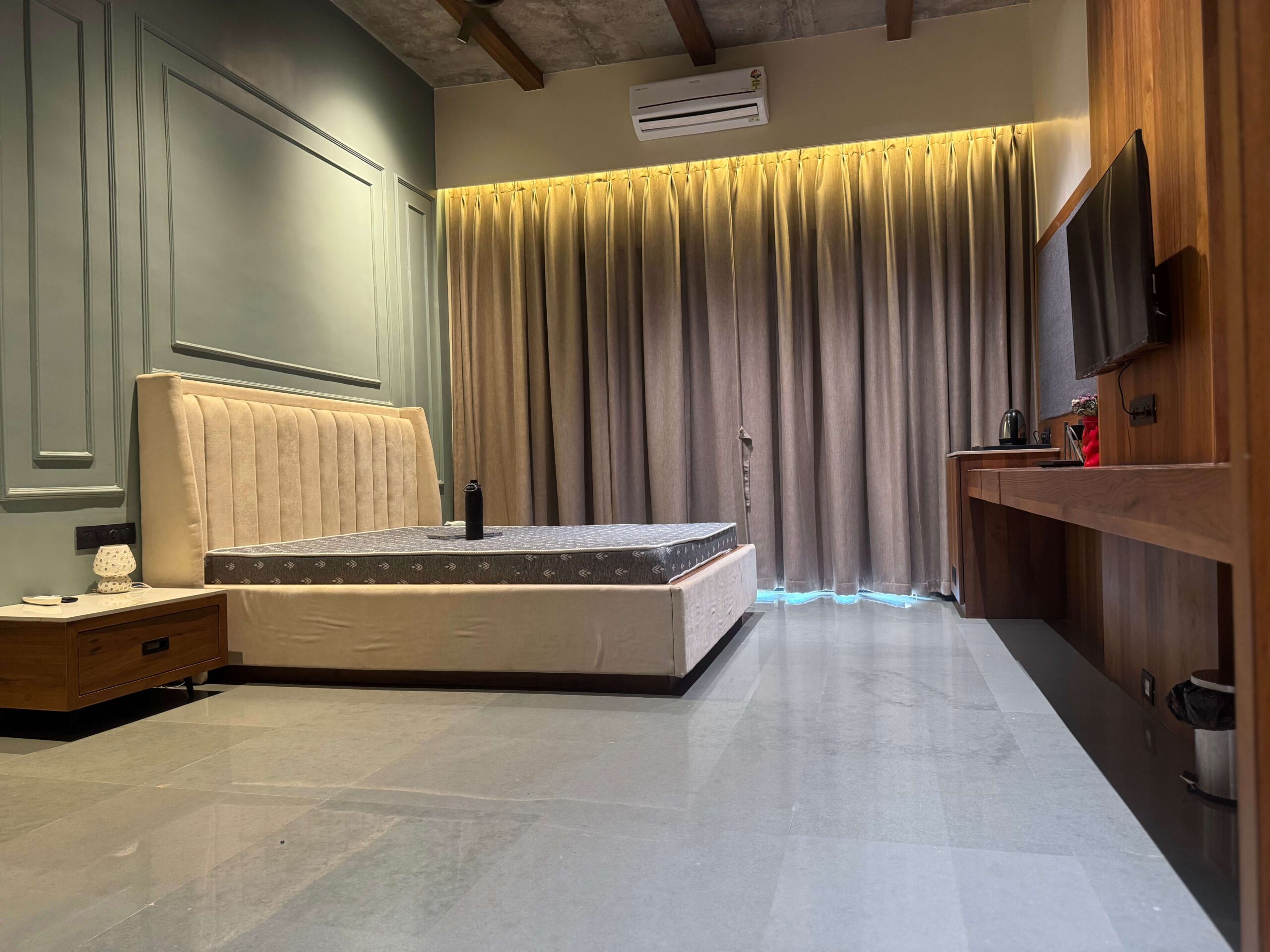
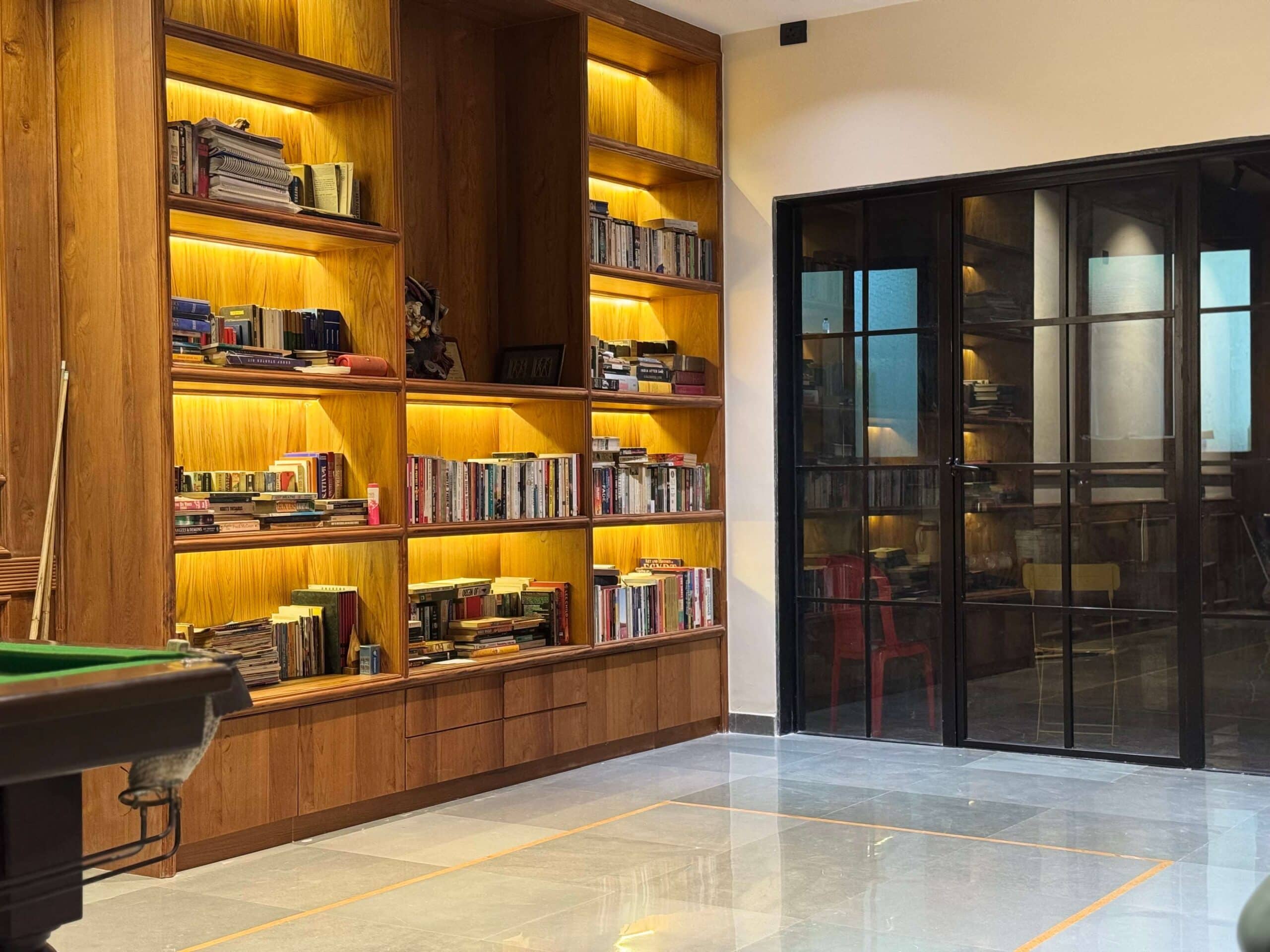
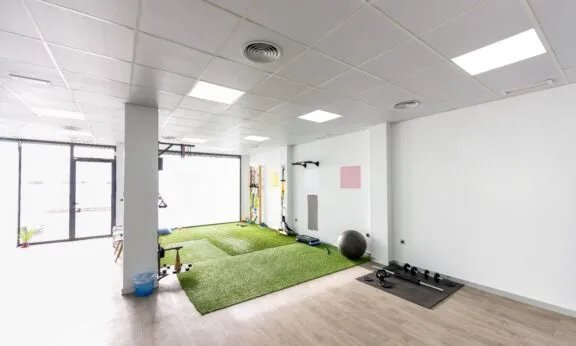
A calm, steady place to reset
Change grows in calm and consistency. Private rooms, open green space and structured, predictable days give the steady environment that learning new responses depends on.



Living with it vs. treating it
Untreated, anger and impulse problems damage relationships, school, work and self-respect — and tend to worsen over time. Treated, control returns and relationships heal. This is the difference care makes.
- Outbursts keep damaging relationships and trust
- Trouble at school, work or with the law grows
- Guilt and low self-worth build after each episode
- Children’s difficulties harden as they grow up
- Underlying ADHD or depression goes untreated
- A real pause between impulse and action returns
- Anger becomes something you can recognise and manage
- Relationships at home and school begin to heal
- Children get back on a healthy developmental path
- Self-respect and calmer daily life are rebuilt
“Just a bad temper” vs. proper treatment
Anger and conduct problems are too often dismissed as bad character or bad parenting — when they are treatable conditions. These are the differences real care makes.
Skilled, family-centred care
Recovery stories, in their own words
Some journeys are best heard from the people who lived them. Real stories from people and families who found calm and control with ZorbaCare.
After losing his wife suddenly, he struggled with alcohol addiction as a way to cope with grief. But over time, he chose to face his pain, seek support, and rebuild his life.
How does a normal working person end up homeless addicted to drugs. That is what happened to me.
I have lost my love, my job, my family, everything because of my addiction. I thought I would never heal, but now i am more than a year sober.
Started in college as a fun activity from beer to regular frequency drinking. From a life that i loved to out of control drinking.
Reaching out is the first step to change
Whether it is your own anger or a child’s behaviour, asking for help is a strength, not a failure. From your first call, the process is warm, confidential and judgement-free — from anywhere in India.
One confidential call
Tell us what you or your child is going through. We listen with warmth and no judgement, and explain how treatment can help.
Thorough assessment
A specialist assesses the behaviour pattern, identifies the condition and what drives it, and builds a treatment plan around the person and family.
We arrange everything
Admission is confirmed and the whole journey is arranged door to door — travel, timing and settling in, all handled for you.
Treatment begins
Your care team takes over from the moment you arrive — with family kept informed and involved throughout.
If there is any risk to life, act now. For thoughts of self-harm or suicide, call Tele-MANAS on 14416 (24×7) or reach us directly — please do not wait.
Care led by qualified specialists
Your care is directed by experienced psychiatrists and clinical psychologists — skilled in anger, impulse-control and conduct disorders, for adults and young people.



Trusted by families across India
Real words from people who completed the programme with ZorbaCare. More than 250 five-star reviews on Google.
Our family is deeply grateful to ZorbaCare for the care and support they provided throughout our loved one’s recovery. The team was compassionate, professional, and always approachable. Dr. Sayantani Mukherjee ensured that every stage of treatment was clearly explained. Recovery coaches Sandy and Mel provided constant motivation, while psychologist Shamika helped address the emotional challenges behind the addiction. The positive changes have been remarkable.
Recovery is never easy, but my four months at Zorba gave me a strong foundation for a healthier and more positive future. I am grateful for the guidance, support, and encouragement I received throughout my stay. I would highly recommend Zorba to anyone seeking professional help for addiction recovery. Thank you, Zorba, for helping me start a new chapter in my life. 🙏
Zorbacare truly changed my life. The care, support, and guidance I received throughout my recovery journey were exceptional. The staff is compassionate, professional, and genuinely committed to helping people rebuild their lives. I am grateful for the positive impact they have had on me and my family. Thank you, Zorbacare, for giving me a new direction and a fresh start.
It has been 17 months now, i have been sober because of them and they still take regular updates and check ins. Can’t thank them enough specially Sandeep sir. They have been there for me in ways i couldn’t believe. I stayed there for 3 months and still being a part of AA and their aftercare program. They have become a family now.
These conditions rarely travel alone
They often occur with ADHD, depression or the effects of trauma. We treat the whole picture. Explore the related conditions we care for.
Depression
Anxiety and depression frequently occur together, and respond well to combined care.
Learn more → ConditionTrauma & PTSD
Unresolved trauma often underlies depression. We treat the root, not just the symptom.
Learn more → ConditionADHD
ADHD very often co-occurs with impulse-control and conduct problems. We treat both.
Learn more → ProgrammeDual Diagnosis
When depression drives alcohol or drug use, we treat both together — the missing piece.
Learn more →The programmes behind your recovery
Depression is treated within our wider clinical programmes. Explore the levels of care that support it.
Residential Care
Immersive, structured treatment in a calm setting — ideal for moderate to severe depression.
Learn more → Level of CareDual Diagnosis
Integrated treatment for addiction alongside depression, anxiety or trauma.
Learn more → Continuing CareAftercare & Alumni
Relapse prevention and lifelong community support after the programme ends.
Learn more → SupportFamily Programme
Structured therapy and guidance so families heal alongside their loved one.
Learn more →Common questions about impulse-control & conduct disorders
Honest answers to what people most often ask us. Anything else — just reach out.
It can be a real, diagnosable condition. When anger outbursts are recurrent, erupt with little warning, are far out of proportion to the trigger, and cause real distress or damage, that pattern is called intermittent explosive disorder. Unlike ordinary temper, these outbursts are impulsive rather than planned, and are almost always followed by genuine regret. It is not a character weakness — it is a treatable difficulty with impulse control, and therapy helps significantly.
Both appear in children and teens, but they differ in severity. Oppositional defiant disorder (ODD) is a lasting pattern of angry, argumentative and defiant behaviour toward authority — but without serious aggression or rule-breaking. Conduct disorder (CD) is more severe, involving repeated violation of others’ rights or major social rules — aggression toward people or animals, destruction, or serious rule-breaking. Not every child with ODD develops CD. Both respond best to early treatment and family involvement.
Occasional defiance and temper are a normal part of growing up. It may be a disorder when the behaviour is intense, persists for many months, is clearly beyond what is typical for their age, and disrupts family life, school or friendships. The pattern matters more than any single incident. A professional assessment can tell the difference clearly — and reassure you either way. Seeking help early is never an overreaction; it often prevents bigger problems later.
They are very treatable — and treatment matters, because these problems do not reliably disappear on their own. Left unaddressed, childhood defiance or conduct problems can harden and continue into adult life. With CBT, skills training and family work, people learn to recognise triggers, pause before reacting and rebuild relationships. For children and teens especially, early treatment can change the entire trajectory of their lives — which is why it is worth acting sooner rather than waiting.
Yes — and recognising it yourself is a genuine strength, because that awareness is where change begins. Anger-management and CBT are very effective: they teach you to notice the early physical warning signs of an outburst, understand your triggers, and build a reliable pause between feeling and reacting. Over time, what felt automatic becomes a choice. Many adults are surprised how much calmer daily life and relationships become. It is never too late to learn these skills.
It depends on the level of care. Anger-management and CBT are usually delivered as outpatient sessions, which makes them affordable and time-limited; more intensive or residential support is available when needed, priced by programme. Family and parent sessions are part of the plan for children and teens. We give a clear, written breakdown up front, with no hidden costs. The best first step is a confidential call.
Completely. Confidentiality is central to how we operate, from the first call through admission and aftercare. For many families, that anonymity is the main reason they choose to travel for treatment.
Impulse-control, conduct & mental health care across India
Our mental health and rehabilitation programmes serve every major Indian city. Wherever you are, admission and travel are fully coordinated for you.
Sources & A Note On Safety
- American Psychiatric Association, DSM-5 (Disruptive, Impulse-Control and Conduct Disorders); guidance on intermittent explosive disorder, ODD and conduct disorder.
- Gururaj G, et al. National Mental Health Survey of India, 2015–16. National Institute of Mental Health and Neurosciences (NIMHANS), Bengaluru.
- World Health Organization. National Mental Health Survey & NDDTC-AIIMS, India.
This page is for general information and is not a substitute for professional medical advice, diagnosis or treatment. If anger, impulses or a child’s behaviour are causing harm, please speak with a qualified clinician — these conditions respond well to treatment. In a crisis, call Tele-MANAS on 14416 (24×7, India).