A compassionate, complete guide to drug addiction and recovery in Mumbai — the signs, the causes, how families can help, what treatment involves, and how to take the first step. Whether it’s for you or someone you love, there is a way out.


When a substance takes the wheel
Addiction almost never announces itself. It slips in quietly — a way to cope, to escape, to feel something or to feel nothing. And then, at some point, the thing that once felt like a choice becomes a chain.
If you are reading this for yourself, you may already recognise that shift — the way the drug has moved from something you use to something you can’t stop using, no matter how much you want to. If you are here for someone you love, you may be frightened, exhausted and grieving a person who is slowly disappearing in front of you.
Please hear this first: drug addiction is not a moral failure or a lack of willpower. It is a recognised medical condition that physically changes the brain — and, like any medical condition, it can be treated. People recover from even severe drug addiction every single day. With the right help, so can you, or the person you love.
This guide walks you through it all, honestly and gently: what drug addiction is, why it happens, how to recognise it, how families can cope, and — above all — what real treatment looks like here in Mumbai. There is a way out. Let us show you.
If you or someone you love is in crisis right now, don’t wait. Call Tele-MANAS, India’s national mental health helpline, on 14416 (24×7), or reach out confidentially to ZorbaCare.
What is drug addiction?
Drug addiction — clinically called substance use disorder (SUD) — is a medical condition in which a person compulsively uses a drug and cannot stop, despite it harming their health, relationships and life. It involves changes in the brain that create powerful cravings, tolerance, and painful withdrawal, making the substance feel impossible to give up.
The defining feature is loss of control. A person with drug addiction isn’t simply “making bad choices” — the brain’s reward, motivation and self-control systems have been rewired so completely that using the drug can feel as necessary as food or water, even as it destroys everything around it.
This affects far more people than most realise. India’s National Survey on the Magnitude of Substance Use found that, beyond alcohol, roughly 2.1% of Indians use opioids, with significant numbers using cannabis, sedatives and other substances — and that only about 1 in 20 people with a drug use disorder ever receive treatment. Behind each figure is a person and a family, much like yours.
What causes drug addiction?
No one sets out to become addicted. It develops gradually, through several forces working together.
It begins with the brain’s reward system. Most addictive drugs cause a surge of dopamine — far larger than anything natural — flooding the brain with intense pleasure or relief. The brain adapts by producing less dopamine of its own and relying on the drug. Soon, more is needed to feel the same effect (tolerance), and stopping feels unbearable (withdrawal). Over time, the drug hijacks the very circuits meant to guide survival and motivation.
Usually several factors combine:
- Emotional pain. Many people first use drugs to numb something — stress, anxiety, depression, trauma, grief or loneliness. When a substance becomes the main way of coping, dependence follows. This overlap with mental health conditions is extremely common.
- Genetics and family history. Addiction runs in families; a family history raises vulnerability.
- Early exposure and environment. Starting young, peer influence, availability and high-stress circumstances all increase risk.
- The nature of the drug. Some substances — opioids like heroin, stimulants like cocaine and methamphetamine — are powerfully addictive very quickly.
- Repetition. What starts as occasional use quietly rewires the brain into a need.
Understanding this removes the blame. Addiction is not weakness — it is a change in brain function that needs proper treatment.
What are the symptoms of drug addiction?
Drug addiction shows in the body, the mind and behaviour. You don’t need every sign — even a few, especially worsening ones, are worth taking seriously.
Physical signs:
- Needing more of the drug for the same effect (tolerance)
- Withdrawal symptoms when not using — nausea, sweating, shaking, aches, agitation, insomnia
- Changes in appetite, weight, sleep or appearance
- Bloodshot eyes, unusual smells, or marks on the body
- Neglecting hygiene and self-care
Psychological and behavioural signs:
- Intense cravings and preoccupation with the next dose
- Trying to cut down or stop and being unable to
- Using more, or longer, than intended
- Secrecy, lying, or hiding use
- Withdrawing from family and friends
- Losing interest in things that once mattered
- Money problems, or things going missing
- Continuing to use despite clear harm
- Mood swings, irritability, anxiety or paranoia
If you recognise yourself or someone you love here, read it not as a verdict but as an invitation — a sign it may be time to reach out. Recognising the problem is the most important step, and you’ve just taken it.
Is drug addiction dangerous? Effects on the body and mind
It’s tempting to believe it isn’t “that bad yet.” But drug addiction is progressive — it almost always worsens — and its harm reaches every part of life.
Physical health. Depending on the substance, long-term drug use can damage the heart, lungs, liver, kidneys and brain, and cause infections, seizures and organ failure. Overdose is an ever-present, potentially fatal risk — especially with opioids, and with the unpredictable strength of street drugs.
Mental health. Many drugs deepen or trigger depression, anxiety, paranoia and psychosis, and sharply raise the risk of suicidal thoughts. Addiction and mental illness feed each other in a vicious cycle.
Withdrawal can be dangerous. For some substances, stopping suddenly is not just distressing but medically risky — which is why detox should be done under supervision, not alone (more below).
Relationships and life. Addiction erodes trust, breaks families, frightens children, and destroys careers, finances and freedom. Much of its deepest damage is not physical at all — it is the slow loss of the relationships and life a person most values.
How to help a family member with drug addiction
If you love someone with a drug addiction, you carry a heavy, often invisible weight — swinging between anger and fear, hope and despair. Please know: you did not cause this, you cannot control it, and you cannot cure it alone — but you can be a powerful part of their recovery.
What helps:
- Learn about addiction as an illness. Understanding it as a medical condition, not a choice, shifts your response from blame to support.
- Talk with compassion, not confrontation. Choose a calm, sober moment. Speak from love (“I’m frightened for you”), not accusation.
- Set loving boundaries. Supporting someone is not the same as enabling. You can stop covering for them, hiding the problem or funding the drug use — while making clear you love them.
- Look after yourself. You cannot pour from an empty cup. Family counselling and support groups (such as Nar-Anon) exist for you.
- Encourage professional help — and offer to be there. Sometimes the most powerful words are, “I’ll make the call with you. You don’t have to do this alone.”
At ZorbaCare, families are part of recovery, not bystanders — through family therapy and guidance at every step. See our programmes.
A safety note: if a loved one collapses, can’t be woken, has a seizure, stops breathing normally or shows signs of overdose, treat it as an emergency and seek medical help immediately.
How is drug addiction treated? Types of treatment
Here is the hopeful truth: drug addiction is highly treatable when treated properly. Recovery is rarely one method — it works best as a combination of medical care, therapy and ongoing support, tailored to the person and the substance.
1. Medically supervised detox
For anyone physically dependent, treatment usually begins with detoxification — safely clearing the drug from the body while managing withdrawal. Because some withdrawals (from opioids, sedatives and others) can be severe or dangerous, this is done under medical supervision, with medication to ease symptoms and keep the person safe and as comfortable as possible. Detox stabilises the body — it is the foundation the real work is built on.
2. Medication-assisted treatment (where appropriate)
For certain addictions — particularly opioids — medications can reduce cravings and support stability, prescribed and monitored by a psychiatrist and matched to the individual. Medication manages the body; therapy heals the rest.
3. Therapy — the heart of lasting recovery
This is where durable change happens. Evidence-based therapies we use include:
- Cognitive Behavioural Therapy (CBT) — identifies triggers and thought patterns and builds practical relapse-prevention skills.
- Dialectical Behaviour Therapy (DBT) — teaches how to manage the intense emotions and impulses that drive use.
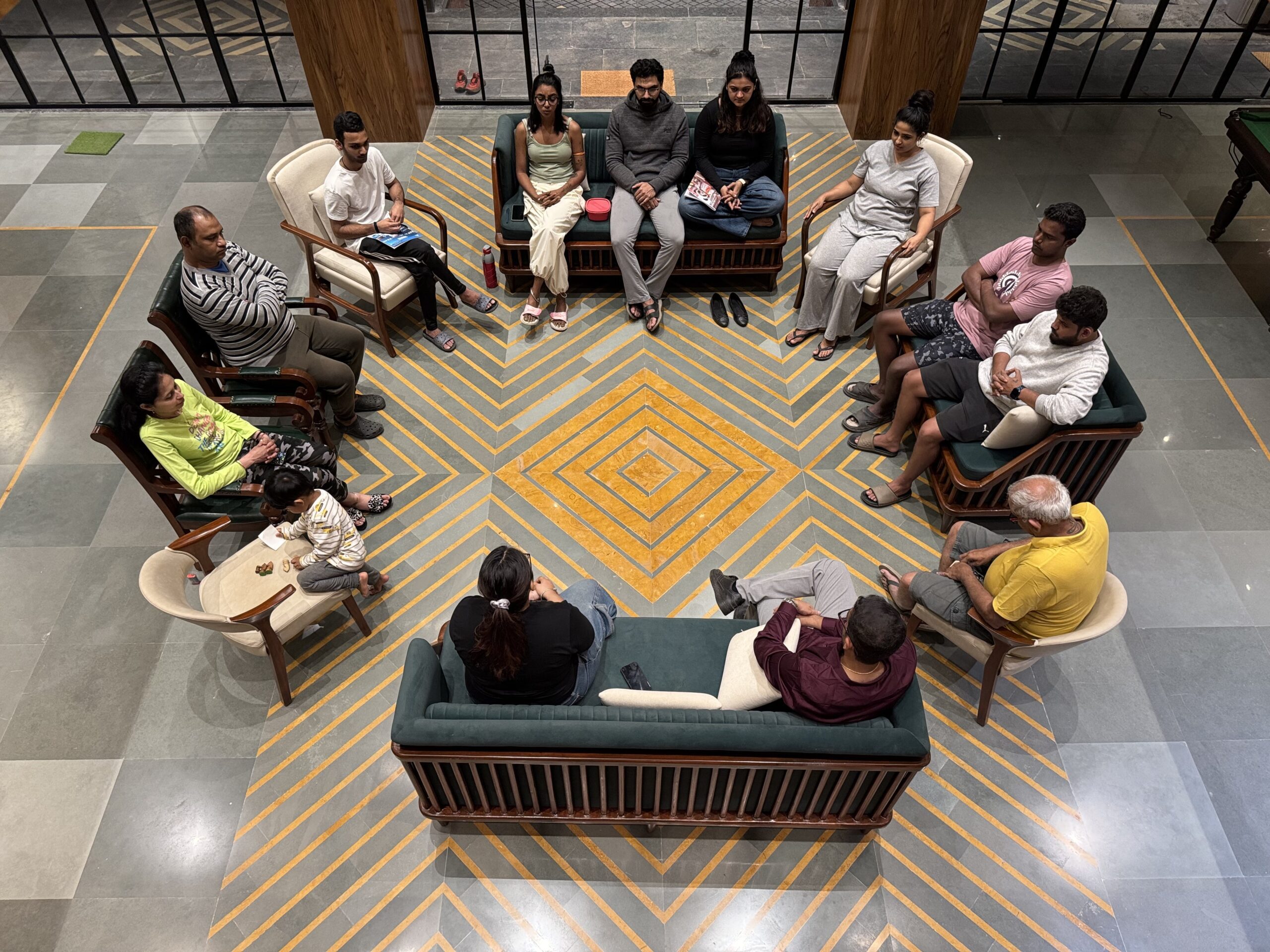
- Group therapy and input sessions — the strength of others who understand, plus education about addiction and recovery.
- EMDR — for the trauma that so often sits beneath addiction.
- Yoga, meditation and reflective work — to rebuild calm, self-awareness and healthier coping.
4. Treating co-occurring mental health conditions
Because addiction and mental illness so often go together (a “dual diagnosis”), lasting recovery means treating both at once — the drug use and the depression, anxiety, trauma or other condition beneath it.
5. Aftercare and ongoing support
Recovery doesn’t end when treatment does. Aftercare — continued therapy, support groups, relapse-prevention planning and family support — is what turns early recovery into a lasting new life.
What happens in drug rehab? The treatment process
Not knowing what to expect is one of the biggest barriers to reaching out. Here is the typical journey.
- A confidential conversation. A simple, private call — no judgement, no pressure. We listen and understand what you’re facing.
- Assessment. A thorough medical and psychological assessment — your health, your substance use, and any underlying conditions — so care is tailored to you.
- Medically supervised detox. The safe, monitored clearing of the drug from the body, with medication to manage withdrawal.
- Therapy and rehabilitation. The core work — individual therapy, group sessions, input sessions and holistic support — addressing the roots of the addiction.
- Family involvement. Rebuilding trust and equipping loved ones to support recovery.
- Aftercare planning. A clear, personal plan for staying well — relapse prevention, ongoing support and follow-up.
Throughout, you are treated as a whole person deserving of dignity — never as a problem to be managed.
Why is professional rehab important — and can you detox at home?
Many people understandably want to beat this quietly on their own. But with drugs, going it alone is far harder and can be genuinely dangerous.
- Safety. Some withdrawals can be severe or life-threatening, and overdose risk is highest around relapse. Medical supervision keeps you safe through the riskiest phases.
- It treats the whole problem. Willpower addresses the using; professional treatment addresses why — the triggers, the pain and the mental health conditions underneath.
- Structure and distance. A residential setting removes access to the drug and the everyday triggers that make stopping so hard, giving the brain and body space to heal.
- Expertise. Psychiatrists, psychologists and therapists working together provide care no amount of determination can replicate alone.
- It dramatically reduces relapse. Structured treatment with aftercare gives recovery its best chance to last.
Reaching out for professional help is not an admission of failure. It is the most courageous and effective step a person can take.
How long does drug addiction treatment take?
There’s no single answer — recovery is personal, and it depends on the substance, the severity and the individual — but here is a realistic guide.
- Detox typically takes about 7 to 14 days, depending on the drug and severity of dependence.
- Residential rehabilitation commonly runs 4 to 12 weeks (often around 28 days as a starting point, and frequently around three months for more severe or long-standing addiction).
- Aftercare and ongoing recovery continue for months and, in a real sense, are a lifelong practice of staying well.
Longer, more thorough treatment generally leads to better, more durable outcomes. Recovery is not a race — it is the rebuilding of a life, and that is worth the time it takes.
Does drug addiction treatment actually work? What the research shows
You are not being asked to hope blindly. Decades of research show that drug addiction treatment works.
- It is a recognised medical condition, not a weakness. Substance use disorder is defined and diagnosed in both the DSM-5 and the WHO’s ICD, reflecting a clear scientific consensus. The National Institute on Drug Abuse (NIDA) describes addiction as a treatable, chronic brain condition.
- Treatment is effective. The combination of medically supervised detox, medication where appropriate, and psychological therapy is the approach supported by NIDA and the World Health Organization. Combining medication with therapy consistently outperforms either alone.
- The treatment gap is the real tragedy. India’s national data shows the vast majority of people with drug use disorders receive no treatment at all — not because treatment doesn’t work, but because too few reach it. Recovery is available. The hardest part is simply reaching out.
How does drug addiction affect your life — and can you recover?
Drug addiction takes a great deal. But recovery gives it back, often more fully than people dare to imagine.
What addiction takes: health, clarity of mind, safety; trust and closeness in relationships; work, money, freedom and stability; confidence, self-respect and hope.
What recovery returns: a body and mind that heal — clearer thinking, better sleep, steadier moods, and real physical recovery as the damage begins to reverse. Relationships that can be rebuilt, sometimes stronger than before. Steadier work and finances. And, quietly and powerfully, the return of self-respect — waking without dread, being fully present for the people you love, and remembering who you are underneath the addiction.
People don’t just survive recovery. They build lives that are, very often, richer and more honest than the ones addiction stole. That is what we are really offering: not just an end to using, but the beginning of a life worth being clean for.
Drug addiction treatment in Mumbai — why ZorbaCare
If you are searching for drug addiction treatment in Mumbai, you deserve care that is expert, discreet and genuinely humane.
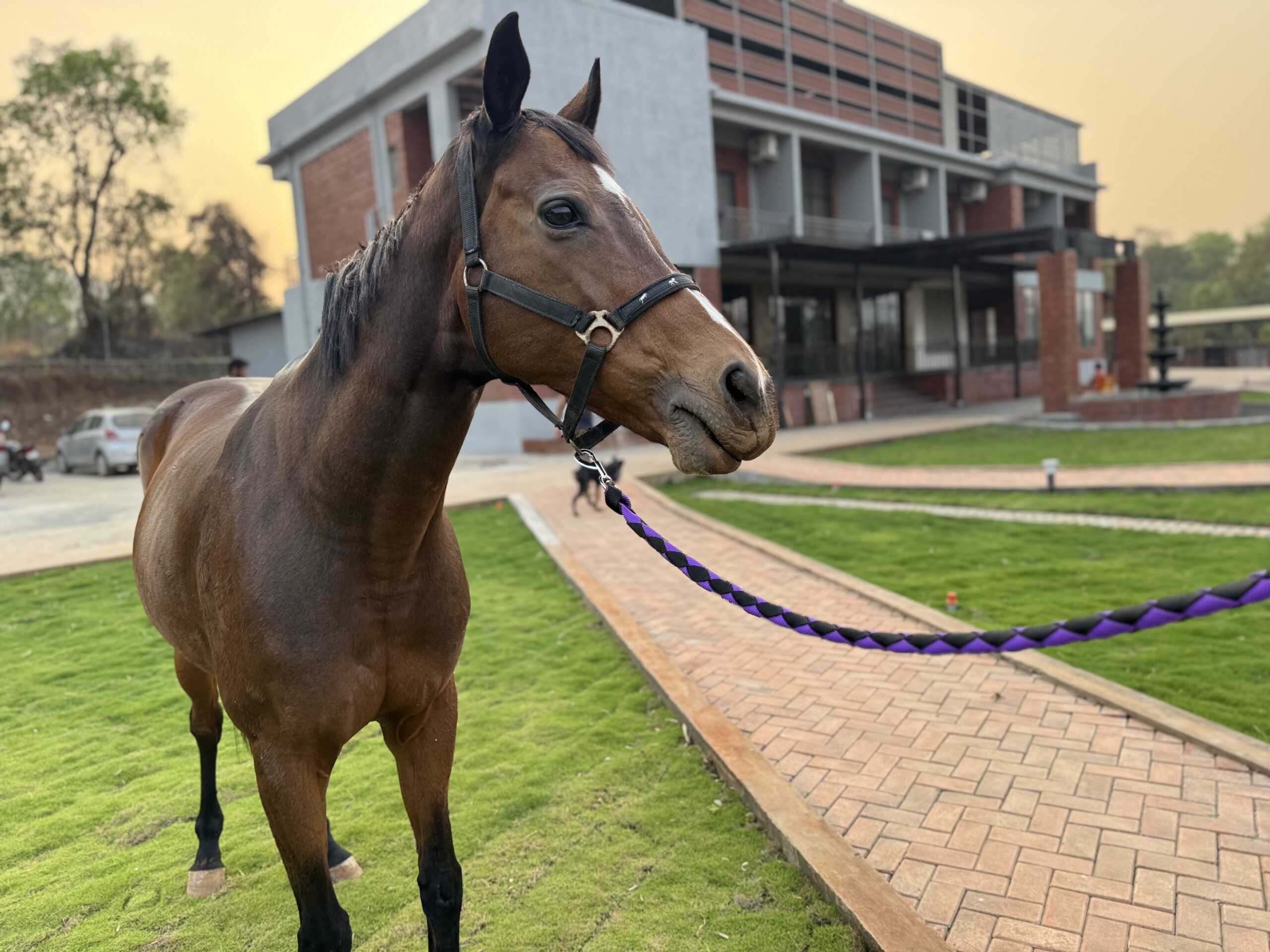
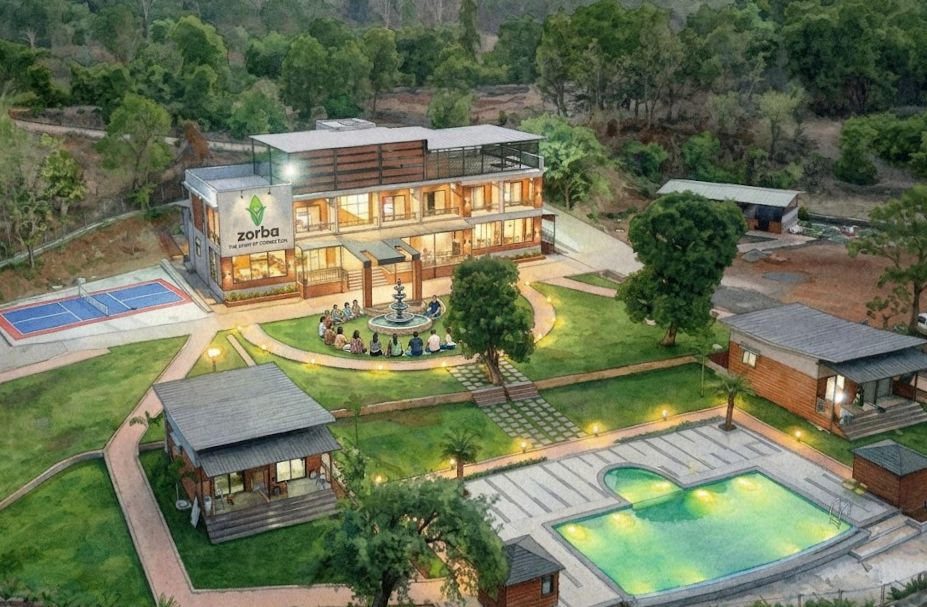
ZorbaCare is a leading luxury residential rehabilitation and mental health centre, set on a private estate in the Sahyadri hills — just 45 minutes from Mumbai, yet a world away from the triggers and pressures of daily life. That distance is part of the treatment: a calm, restorative environment where the mind and body can truly heal, while remaining close enough for family involvement and easy access from across Mumbai, Pune and the rest of India. You can read more about our Mumbai rehabilitation care here.
What sets our care apart:
- Complete, integrated treatment — medical detox, psychiatric care, evidence-based therapy and holistic healing, all in one place. Explore our addiction treatment.
- Expert, compassionate team — consultant psychiatrists, clinical psychologists and therapists who treat you as a person, not a case.
- A voluntary, dignified approach — recovery built on respect, privacy and choice.
- Luxury and comfort — because healing happens best when you feel safe, cared for and at peace.
- Family and aftercare support — for recovery that lasts well beyond your stay.
You don’t have to keep fighting this alone. Whether it’s for you or someone you love, one confidential conversation can be the beginning of everything changing.
Take the first step, today. 📞 Call us: +91 86695 67929 💬 WhatsApp us for a confidential chat 🌐 Get in touch with ZorbaCare In a crisis, call Tele-MANAS on 14416 (24×7, India).
Frequently asked questions
Which is the best rehabilitation centre for drug addiction in Mumbai? The “best” centre is the one that treats the whole person — not just the addiction. Look for medically supervised detox, psychiatrist-led care, evidence-based therapy (CBT, DBT and more), dual-diagnosis treatment for any underlying mental health condition, family involvement and structured aftercare. ZorbaCare offers all of this on a private estate 45 minutes from Mumbai, with a voluntary, confidential, and genuinely compassionate approach. The best first step is a confidential call to see whether it’s the right fit for you.
What are the first signs of drug addiction? Early signs are often subtle: needing more of a substance for the same effect, using more or more often than intended, secrecy about use, mood swings or irritability, withdrawing from family and friends, neglecting responsibilities, and unexplained money problems. Physically, you might notice changes in sleep, appetite, weight or appearance. If you’re noticing several of these — especially if they’re getting worse — it’s worth reaching out, even just to talk.
How do you get someone into rehab who doesn’t want to go? This is one of the hardest situations a family faces. You cannot force an adult into voluntary treatment, but you can influence their decision. Talk in calm, sober moments; lead with love and concern rather than blame; set clear, loving boundaries and stop enabling the use; and offer to make that first call with them so they don’t feel alone. A professional intervention — guided by the treatment team — can also help. Sometimes simply knowing help is ready and judgement-free is what finally opens the door. Our team can guide you through exactly how to approach it.
Is drug withdrawal dangerous? Can I detox at home? For some drugs, withdrawal can be severe and even medically dangerous, and the risk of relapse — and overdose — is highest when detoxing alone. For anyone who is physically dependent, a medically supervised detox is far safer and more comfortable, which is why professional help matters so much.
How much does drug addiction treatment cost in Mumbai? Cost depends on the level of care — outpatient therapy, medical detox, or full residential rehabilitation — and the length of treatment. Rather than a fixed figure, the honest answer is that it varies, and good centres are transparent about it up front. At ZorbaCare we explain costs clearly, with no hidden charges. The best first step is a confidential call to discuss what your situation actually needs.
How long does drug rehab take? Detox usually takes about 7–14 days; residential rehabilitation commonly runs 4–12 weeks (often around three months for more severe cases); and aftercare continues for months afterwards. Longer, more thorough treatment tends to lead to better, more lasting results.
Does drug addiction treatment really work? Yes. The combination of medically supervised detox, medication where appropriate, and psychological therapy is well-proven and recommended by bodies like NIDA and the WHO. The bigger problem in India is that most people never reach treatment. When people do get proper help, recovery is very achievable.
Do I have to be admitted, or can I get help while living at home? Both are possible. Residential treatment offers intensive, round-the-clock support and a complete change of environment, which is often best for severe or long-standing addiction. Outpatient and day-care options exist for less severe situations or as step-down care. The right choice depends on your health and level of dependence — something we’ll talk through honestly with you.
How can I help a family member who won’t admit they have a problem? Lead with compassion, not confrontation. Talk in calm, sober moments, speak from love and concern, and stop covering for or funding the drug use without withdrawing your love. Look after your own wellbeing too, and offer to make that first call with them — sometimes knowing they won’t have to face it alone is what finally opens the door.
Is treatment confidential? Yes. Discretion and privacy are fundamental to how good treatment works, and that first conversation is completely confidential and without obligation.
References
- National Institute on Drug Abuse (NIDA). Principles of Drug Addiction Treatment: A Research-Based Guide. https://nida.nih.gov/publications/principles-drug-addiction-treatment-research-based-guide-third-edition
- World Health Organization. Drugs (psychoactive) — Health topics. https://www.who.int/health-topics/drugs-psychoactive
- Alcohol and substance use disorder research in India: an update (national survey data, including opioid and drug use disorder prevalence and treatment gap). Indian Journal of Psychiatry (PMC). https://pmc.ncbi.nlm.nih.gov/articles/PMC11293778/
- Magnitude of Substance Use in India 2019, National Drug Dependence Treatment Centre (NDDTC), AIIMS / Ministry of Social Justice and Empowerment, Government of India.
- National Institute for Health and Care Excellence (NICE). Drug misuse in over 16s: opioid detoxification and psychosocial interventions. https://www.nice.org.uk/guidance/cg52