A family’s guide to rehab in Bangalore — real cost ranges, NIMHANS and private options, how to choose, and when to seek help. Confidential, evidence-based care.


If you’re searching for rehab in Bangalore, you’re almost certainly not searching casually. Someone you love — or you yourself — has reached the point where managing it at home has stopped working. That’s a hard place to be, and looking for help at all takes more courage than most people give themselves credit for.
This guide is written to make the next decision clearer: what your options are in and around Bangalore, what treatment realistically costs, how to separate a genuinely good centre from a poorly run one, and how to take the first step without getting it wrong.
The Scale of Addiction in Bangalore
Bangalore’s reputation as India’s tech capital comes with a quieter, less-discussed cost. National survey data puts Karnataka’s alcohol-use prevalence at around 14.5%, with urban centres like Bangalore showing higher rates among young professionals — and the city has reported one of the highest numbers of substance-abuse cases in the country. The pressures are specific: long hours in IT and corporate roles, high-stress startup culture, disposable income, and a nightlife and party-drug circuit that increasingly reaches younger people.
Nationally, the picture is just as stark. The Magnitude of Substance Use in India survey (AIIMS Delhi, 2019) found that about 16 crore Indians consume alcohol, and roughly one in five is dependent. Yet only about 1 in 38 people with alcohol dependence ever receives structured treatment. The gap isn’t a shortage of centres — it’s stigma, cost confusion, and families waiting too long. If you’re reading this, you’re already ahead of that curve.
Bangalore does have one genuine advantage: it is home to NIMHANS, India’s premier mental health and neurosciences institute, which has shaped much of the country’s addiction research and trained many of its specialists. That depth of expertise is part of the local landscape families can draw on.
Types of Rehab Available in Bangalore
Not all “rehab” means the same thing. Understanding the categories is the first step to choosing correctly.
Government and institutional care
Bangalore has strong institutional options, most notably NIMHANS, which offers specialised, often subsidised de-addiction services (inpatient and outpatient). These carry real clinical authority but are typically oversubscribed, with waits and limited privacy.
Mid-range private centres
Private facilities offering structured inpatient treatment, medical detox, and therapy at a moderate price. Quality varies widely in this tier — which is exactly where careful evaluation matters most.
Premium and luxury residential centres
Higher-end facilities offering private rooms, full clinical teams, dual-diagnosis care, holistic therapies, and greater privacy. These suit families prioritising discretion and personalised care.
Outpatient programmes
The person lives at home and attends scheduled sessions. More affordable and less disruptive, but generally suited only to milder cases without significant withdrawal risk — and far more exposed to the everyday triggers that sustain addiction.
Destination and residential centres outside the city
Facilities located away from Bangalore, which for many people is the most effective option — and it’s worth understanding why.
Why Many Bangalore Families Choose Treatment Outside the City
Here’s something most people don’t consider when searching for rehab “in Bangalore”: the city itself is often part of the problem. The same office, the same social circle, the same drinking buddies, the same easy access — all of it is still there. For many people, especially working professionals, recovering within that environment is significantly harder than recovering with real distance from it.
This is why destination rehab — travelling to a dedicated residential centre away from daily triggers — is a well-established and often more effective model, not a compromise. Removing yourself from workplace stress and familiar triggers creates the psychological space that lasting recovery needs. For Bangalore’s IT professionals, startup founders, and executives in particular, therapeutic distance is frequently the difference between a recovery that holds and one that unravels the moment normal life resumes.
How Much Does Rehab in Bangalore Cost?
Cost is one of the most searched — and most confusing — aspects of choosing rehab, because centres rarely publish clear figures. Here are realistic 2026 planning ranges for the Bangalore area. Treat them as broad guidance; an accurate quote always follows a proper assessment.
- Government / institutional care (e.g. NIMHANS): free to low cost, subsidised
- Budget private centres: approximately ₹30,000–₹50,000 per month (fewer clinical services)
- Mid-range private facilities: approximately ₹50,000–₹1,50,000 per month
- Premium / luxury residential care: approximately ₹1.5 lakh–₹4.5 lakh per month, depending on accommodation and clinical intensity
Several factors move the price: shared versus private accommodation, the intensity of medical and psychiatric supervision, length of stay, whether medical detox and medication are included or billed separately, and the range of therapies offered.
A crucial point on judging cost: a higher price does not reliably mean better clinical care. What matters is what the money actually buys — qualified staff, real therapy, dual-diagnosis capability, and structured aftercare. For a fuller national breakdown, see our guide on how much rehab costs in India, and for the wider data picture, our addiction statistics for India in 2026.
What Actually Separates a Good Rehab Centre From a Poor One
The marketing rarely tells you what matters. These are the criteria that genuinely distinguish effective treatment from an expensive holding facility.
A proper clinical assessment before any treatment plan
Addiction is never just about the substance. Depression, anxiety, and unresolved trauma frequently sit beneath it — and treating the addiction without treating what drives it is one of the most common reasons recovery fails. A trustworthy centre begins with a full psychological and medical evaluation, not a fixed programme.
Qualified, credentialed clinical staff
Look for actual psychiatrists, clinical psychologists, and RCI-licensed professionals — not just support staff or visiting consultants. Ask directly. Vague answers here are the single biggest red flag.
Evidence-based therapy, not just detox and routine
Detox alone is not treatment; it’s the first step. Genuine recovery comes from structured, evidence-based therapy — Cognitive Behavioural Therapy (CBT), REBT, and psychotherapy — matched to the individual’s diagnosis. Be wary of centres whose entire pitch is a peaceful campus and motivational talks.
Dual-diagnosis capability
If there’s an underlying mental health condition — depression, anxiety, or trauma and PTSD — the centre must treat both at once. This integrated approach is the norm, not the exception, and this dual-diagnosis capability is what separates centres that see lasting recovery from those with high relapse rates.
A voluntary, open model — not a lock-up
India still has forced-admission facilities. Coerced treatment tends to produce poor outcomes and raises real ethical concerns. People recover when they feel safe and respected, not confined.
Structured aftercare, planned before admission
Recovery doesn’t end at discharge — the first year carries the highest relapse risk by a wide margin. A centre that plans for aftercare from day one is serious about lasting recovery, not just a completed programme.
A Safety Note on Withdrawal
If someone has been drinking heavily and daily, they should never stop suddenly without medical supervision. Alcohol withdrawal can be medically dangerous — in severe cases, conditions like delirium tremens carry real mortality risk if untreated, which is why supervised medical detox matters. The same caution applies to certain sedatives and opioids. This is one of the clearest reasons a self-managed “quit at home” attempt can go badly wrong. For clinical background, the US National Institute on Drug Abuse outlines why medically supervised treatment matters.
Questions Worth Asking Before You Commit
A few direct questions reveal more about a centre’s quality than any brochure:
- Are there licensed psychiatrists and RCI-licensed psychologists on staff, or only visiting consultants?
- Exactly which therapies are used, and are they matched to diagnosis?
- Is the facility voluntary and open, or a locked facility?
- Is dual-diagnosis treatment available if there’s an underlying mental health condition?
- What does the aftercare plan look like, specifically?
- What is the full likely cost, in writing, after assessment — and what does it include?
If a centre can’t answer these clearly and specifically, that’s information in itself.
Which Addictions Are Treated
A good centre treats the full spectrum of dependence, because the underlying clinical approach applies across all of them: alcohol addiction, drug addiction (including heroin, cocaine, and cannabis), tobacco dependence such as smoking and gutka and khaini, and behavioural addictions including gambling, gaming, and phone and screen dependence — the last of which is especially common among Bangalore’s tech workforce.
How to Know if It’s Time for Professional Help
Many families hesitate because they’re unsure whether the problem has crossed the line. Clinicians use the DSM-5 criteria — loss of control, cravings, tolerance, withdrawal, and continuing to use despite clear harm. As a practical guide: if two or more are consistently true over the past year, that already meets the threshold for professional help.
It’s also worth rejecting the “rock bottom” myth entirely — waiting for a crisis doesn’t make treatment work better; it just lets the condition entrench. If you’re seeing the early signs, the specific signs that someone you love has an addiction are worth reading carefully.
ZorbaCare for Bangalore Families
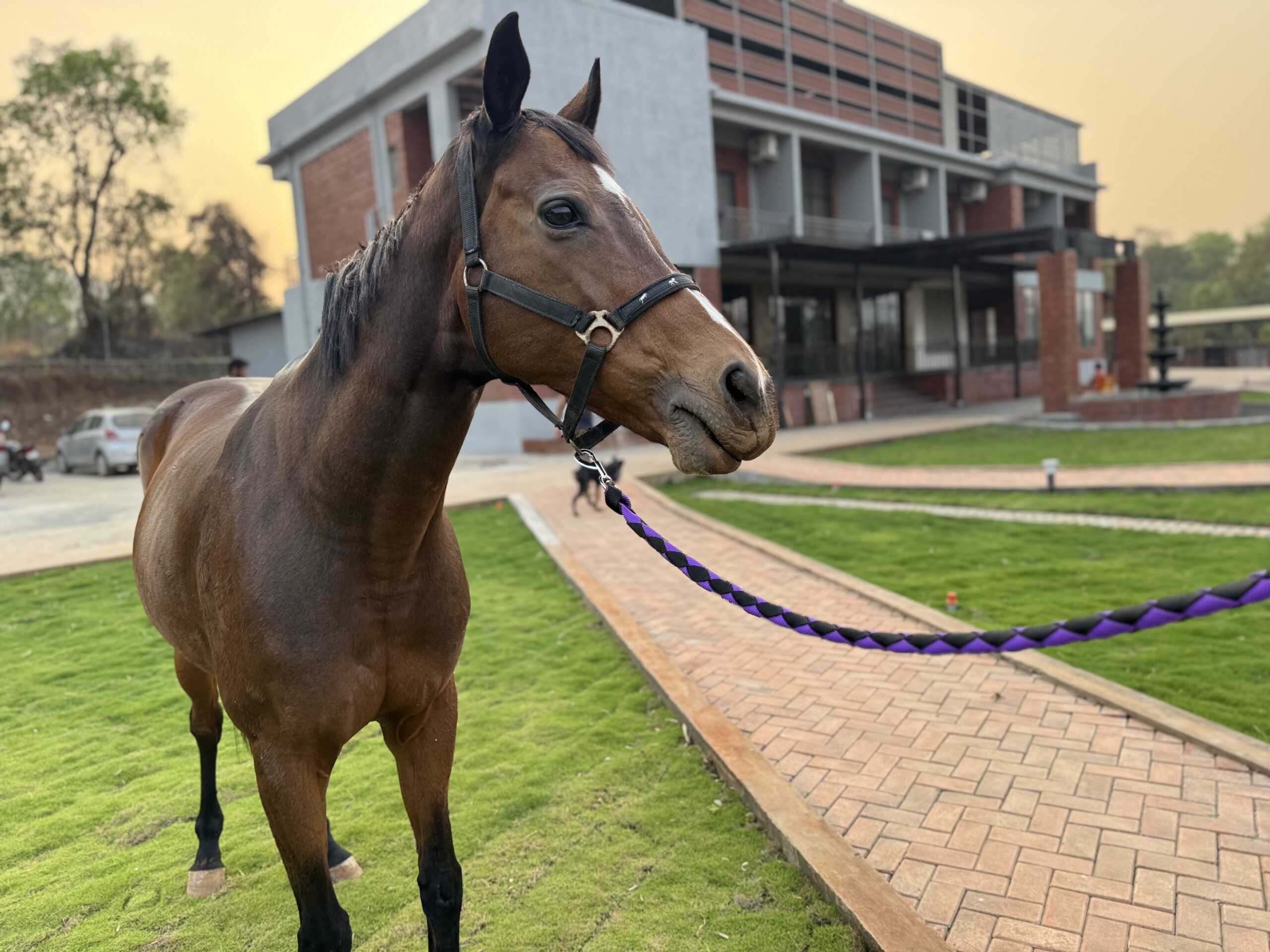
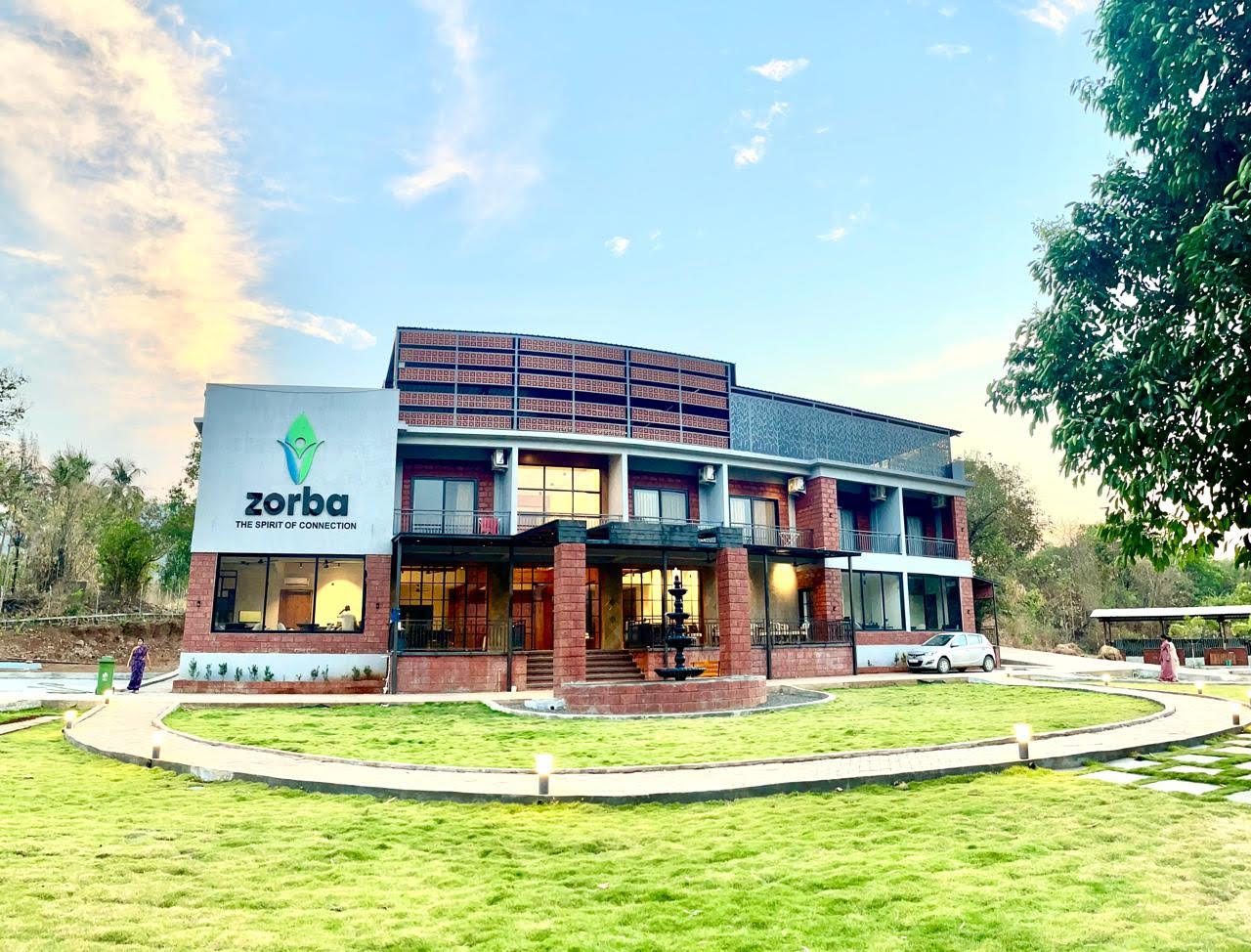
ZorbaCare is a voluntary, luxury residential rehabilitation and mental health centre treating addiction since 2010. Our residential estate is situated in the calm of the Sahyadri Hills, midway between Mumbai and Pune — and it offers Bangalore families exactly the therapeutic distance that makes destination treatment so effective: genuine separation from the environment that sustained the addiction, with travel and admission coordinated for you.
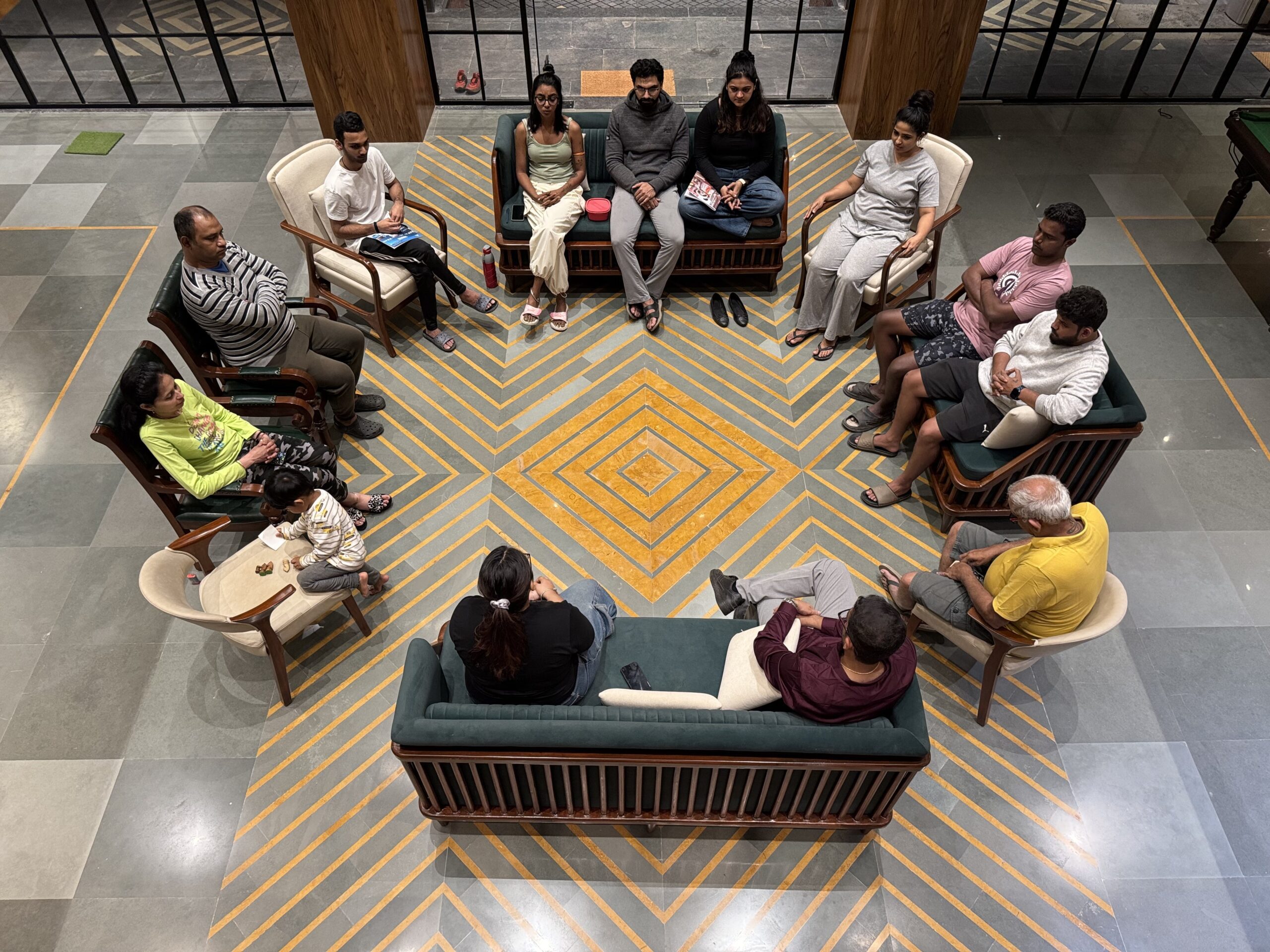
Our approach treats addiction and any underlying mental health condition as one clinical picture — a full psychiatric assessment at intake, personalised evidence-based therapy, dual-diagnosis care, holistic support including yoga and meditation, family involvement, and a relapse-prevention plan built in from day one through structured residential rehabilitation. Treatment is voluntary and open — never behind a locked door.
For Bangalore specifically: families currently travel to our Maharashtra centre, with travel and admission fully coordinated, or opt for our destination treatment programme — and a dedicated ZorbaCare Bangalore centre is on the way. You can see how we support Bangalore families here.
If you’re weighing your options, it’s also worth understanding why some rehab attempts fail and how long rehabilitation actually takes.
The Bottom Line on Choosing Rehab in Bangalore
Choosing rehab in Bangalore comes down to a few concrete things: the right level of care for the severity, qualified psychiatric staff, evidence-based therapy matched to the diagnosis, dual-diagnosis capability, a voluntary model, and a genuine aftercare plan. A calm environment and a polished website are not substitutes for any of these.
You don’t need to be certain a problem is “serious enough” before reaching out. You just need to be concerned enough to ask a question — and asking early is always better than asking late.
If you’d like to talk through the right option for yourself or someone you love, our team can help you understand what treatment would actually involve — confidentially, with no obligation and no judgment.
Frequently Asked Questions
How much does rehab cost in Bangalore?
Costs range widely — from subsidised institutional care (such as NIMHANS), to roughly ₹30,000–₹50,000 per month for budget private centres, ₹50,000–₹1.5 lakh for mid-range facilities, and ₹1.5 lakh–₹4.5 lakh for premium residential care. An accurate quote follows a proper assessment, and higher cost does not automatically mean better care.
Is there a good government rehab option in Bangalore?
Yes — NIMHANS offers specialised, often subsidised de-addiction services with strong clinical authority. The trade-offs are typically waiting times and limited privacy compared with private residential care.
Should we choose a rehab in Bangalore or outside the city?
For many people — particularly working professionals — a centre outside the city works better. It removes the person from the workplace stress, social circle, and triggers that sustained the addiction, while structured programmes coordinate travel and keep family involved.
How long does rehab take?
Most primary treatment programmes run 30 to 90 days, though longer stays often improve outcomes. Recovery continues well beyond discharge through aftercare, with the first year carrying the highest relapse risk.
What’s the difference between detox and rehab?
Detox safely clears the substance from the body under medical supervision and is the first step. Rehab is the longer therapeutic process that addresses the habits, thought patterns, and underlying causes. Detox alone is not treatment.
Is treatment confidential?
Reputable centres treat confidentiality as fundamental. A centre outside the city offers added privacy, since treatment happens away from a person’s everyday professional and social circle — a common priority for Bangalore professionals.
Sources: Magnitude of Substance Use in India, 2019 (NDDTC, AIIMS Delhi / Ministry of Social Justice & Empowerment, Government of India); National Institute of Mental Health and Neurosciences (NIMHANS); National Institute on Drug Abuse (NIDA); World Health Organization. This article is for general information and does not substitute professional medical advice.