Hospital for emergencies. Rehab for recovery. Know the right choice for your loved one.


Choosing between a hospital and a rehab is one of the toughest decisions you will ever make. In India, this decision is not just about medicine. It is about our culture, our families, and that deep fear of what the neighbors will think.
Most of us grew up in homes where we were taught to keep our problems inside the four walls of the house. We worry that if someone goes to a “psychiatric hospital,” people will label them as “mad” or “crazy”. This fear often makes families wait too long. We hope the problem will just go away on its own, but addiction does not work like that.
As a counselor with 15 years of experience, I have seen hundreds of families in Mumbai, Pune, and Hyderabad go through this. You are likely feeling exhausted, angry, and scared all at the same time. You want to help, but you do not want to make things worse. This guide is here to hold your hand and show you the right path.
What is a psychiatric hospital actually for?
A psychiatric hospital is a medical facility designed for short-term, intensive care. It is a place for a crisis. If your loved one is in a state where they might hurt themselves or someone else, a hospital is the safest place for them.
In a hospital, the focus is on safety and stabilization. The doctors and nurses are there to monitor the person 24 hours a day. They use medication to bring the person back to a stable state as quickly as possible. This is very different from a rehab, where the focus is on talk therapy and changing habits over many months.
In India, we have some very famous psychiatric hospitals like NIMHANS in Bangalore and the Central Institute of Psychiatry in Ranchi. These places helped India move away from the old-style “asylums” toward modern medical care. Today, many private hospitals in cities like Mumbai and Pune also have special psychiatric wards.
|
Feature |
Psychiatric Hospital |
|
Main Goal |
Medical safety and stabilization |
|
Stay Duration |
Short-term (usually 3 to 14 days) |
|
Setting |
Clinical, like a regular hospital ward |
|
Staff |
Doctors, Psychiatrists, and Nurses |
|
Focus |
Managing symptoms with medicine |
When should you choose a hospital first?
There are times when you cannot wait. If your loved one is experiencing a “psychotic break,” where they are hearing voices or seeing things that are not there, they need a hospital. This is a medical emergency, just like a heart attack. You need doctors who can manage their brain chemistry immediately.
Another reason for a hospital is “medical detox.” If someone has been drinking very heavily for years, stopping suddenly can be dangerous. They might have seizures or extreme tremors. A hospital provides the medical supervision needed to make sure they get through the withdrawal safely.
Lastly, if there is a high risk of suicide or self-harm, a hospital is the only place that can provide a “secure environment”. Most rehabs in India are “open” facilities, meaning they do not have locked doors or 24/7 suicide watch. If the risk is life or death, start with a hospital.
What is a rehabilitation center and how is it different?
A rehab is a residential facility where people go to learn how to live a sober life. It is not a place for a quick fix. It is a place for a long-term transformation.
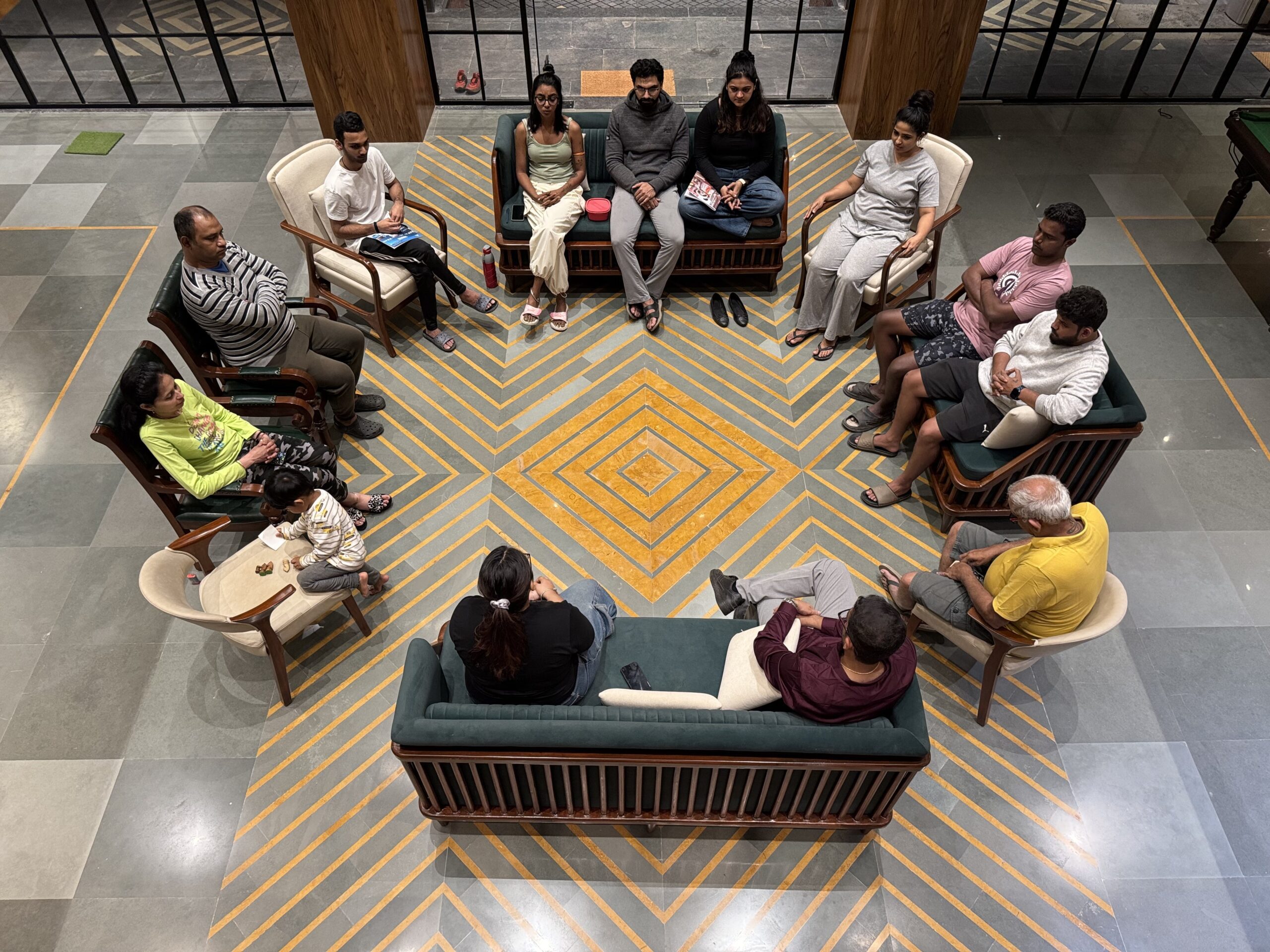
While a hospital is clinical and sterile, a good rehab feels like a home. At Zorbacare in Pune, for example, we focus on a “tranquil, premium environment”. We believe that healing happens better when a person feels respected and comfortable, not like they are a prisoner.
In a rehab, the “staff” are not just doctors. They are counselors, psychologists, and “recovery mentors” who have often been through addiction themselves. The days are filled with therapy, group meetings, and learning new ways to handle stress.
|
Feature |
Rehabilitation Center |
|
Main Goal |
Long-term recovery and behavior change |
|
Stay Duration |
Long-term (usually 30 to 90 days) |
|
Setting |
Home-like, comfortable, and supportive |
|
Staff |
Counselors, Psychologists, and Mentors |
|
Focus |
Therapy and learning coping skills |
Why does your loved one need more than just a hospital?
Many Indian families make the mistake of thinking a 10-day stay in a hospital will “cure” addiction. They see the person come home sober and think the problem is over. But addiction is a “chronic” condition, meaning it stays with the person for a long time.
A hospital clears the drugs out of the body, but it does not clear the “why” out of the mind. Why did they start drinking? How will they handle a bad day at the office in Mumbai without a bottle? How will they deal with a fight with their spouse in Pune?.
This is where rehab comes in. Rehab gives them the “tools” to handle real life. Without these tools, most people will relapse (start using again) within a few weeks of leaving the hospital. Think of the hospital as the “re-set” button and the rehab as the “re-build” process.
The “Log Kya Kahenge” Factor: Dealing with Social Stigma
We cannot talk about rehab in India without talking about the neighbors. The phrase “Log Kya Kahenge” (What will people say) has stopped more people from getting help than almost anything else.
In our society, a family’s reputation is everything. We worry that if people find out about the addiction, it will affect our children’s marriage prospects or our standing in the community. This fear often leads to “secrecy.” Families hide the bottles, make excuses for why the person missed a wedding, and pay off debts quietly.
But here is the truth: addiction is a medical condition, not a moral failure. If your loved one had diabetes or a heart issue, you wouldn’t be ashamed to get them the best treatment. Addiction is no different. It is a brain disease that needs professional care.
How to manage the stigma
Instead of worrying about the whole world, focus on a “small circle of trust”. You only need to tell 2 or 3 people you really trust. You can use “medical framing” when talking to others. You can say your loved one is “receiving treatment for a health issue” or “taking a break for stress and burnout”.
At ZorbaCare, we understand this need for privacy. Our facilities in Pune and Mumbai are designed to be “discreet”. No one has to know why your loved one is there. We provide a “confidential” space where the family can heal without the prying eyes of society.
High-Pressure Life: The Burnout Crisis in Mumbai, Pune, and Hyderabad
If you live in a big Indian city, you know how fast life moves. The pressure to succeed in places like Mumbai or the IT hubs of Pune and Hyderabad is enormous. People are working 12-hour days, facing toxic bosses, and dealing with long commutes.
This “hustle culture” has led to a massive increase in “burnout”. When the mind and body are constantly stressed, people look for a “shortcut” to relax. For some, it is a few drinks after work. For others, it might be using pills to stay awake or party drugs to “let go” on the weekend.
Recent data shows that almost $88\%$ of corporate employees in India struggle with work-life balance. About $48\%$ are at risk for poor mental health. When this stress turns into addiction, a hospital might be needed for a few days to manage the “physical crash”. But only a long-term rehab can help them figure out how to work without burning out again.
|
City |
Common Stress Factors |
How People Cope |
|
Mumbai |
Local train crowds, high rent, finance deadlines |
Alcohol, Anti-anxiety pills |
|
Pune |
Tech sector pressure, competitive atmosphere |
Binge drinking, Stimulants |
|
Hyderabad |
Night shifts in BPOs, rapid city growth |
Smoking, Alcohol, Party drugs |
Understanding the Science: Explained Simply
When you talk to doctors, they will use terms like CBT or the 12-Step program. These might sound like “GRE words,” but they are actually very simple ideas.
What is CBT?
CBT stands for Cognitive Behavioral Therapy. In simple terms, it is a way to fix “wrong thinking”. Most addicts have a thought like: “I am a failure, so I might as well drink.” CBT helps them see that this thought is not true. It teaches them to catch that thought and change it to: “I made a mistake, but I can fix it without drinking”.
What are the 12 Steps?
The 12-Step program (like AA or NA) is a set of guidelines for living. It is based on the idea of “surrender”. It means admitting that you cannot control the addiction on your own and that you need help from others and a “Higher Power” (which can be God, nature, or just the support group itself).
What is “Dual Diagnosis”?
This is a very important term. It means the person has both an addiction and another mental health issue, like depression or anxiety. In India, many people drink because they are depressed, but the family only sees the drinking. A good rehab treats both at the same time. If you only treat the addiction and leave the depression alone, the person will likely drink again to stop the “sadness”.
How do I tell my boss I need rehab?
This is a fear many professionals have. “Will I lose my job?” “Will they think I am weak?”. In reality, many modern companies in India are becoming more aware of mental health.
You do not always have to give all the details. You can talk to your HR department or your boss about needing “medical leave” for a “health condition”. Most large companies have policies that protect your job while you are receiving treatment. It is much better to take leave and get healthy than to get fired because your performance is dropping due to addiction.
At Zorbacare, we have helped many high-level executives from Mumbai and Pune navigate this. We help them find the right words to say so they can get the help they need without destroying their career.
Will my family find out?
This is the number one question we get from younger people in Hyderabad and Bangalore. The fear of disappointing parents is very strong in India.
If you are an adult, your medical information is private. Rehabs and hospitals have strict rules about confidentiality. However, we almost always recommend involving the family eventually. Why? Because you need their support when you come home.
We help you have that “tough conversation”. We act as the bridge so your parents understand that this is a “sickness,” not a “bad habit”. Once they understand, they often become your strongest supporters.
Family Guidance Box: How to handle mood swings
When someone is struggling with addiction, they often have “mood swings.” They might be happy one minute and screaming the next. This is very stressful for the family.
- Tip 1: Don’t take it personally. Their anger is usually at themselves or the substance, not at you.
- Tip 2: Stay calm. If you start screaming back, the situation will explode. Take a deep breath and speak in a low, quiet voice.
- Tip 3: Set a boundary. It is okay to say, “I want to hear what you are saying, but I won’t talk to you while you are shouting. Let’s talk when you are calmer”.
- Tip 4: Don’t argue with an intoxicated person. If they are drunk or high, their brain isn’t working right. Wait until they are sober to have the “big” talk.
Why Zorbacare in Pune is a safe choice
If you are looking for a place where your loved one will be treated with “dignity” and “respect,” Zorbacare is a leader in India. We are not a typical “center” with bars on the windows.
The Pune Facility
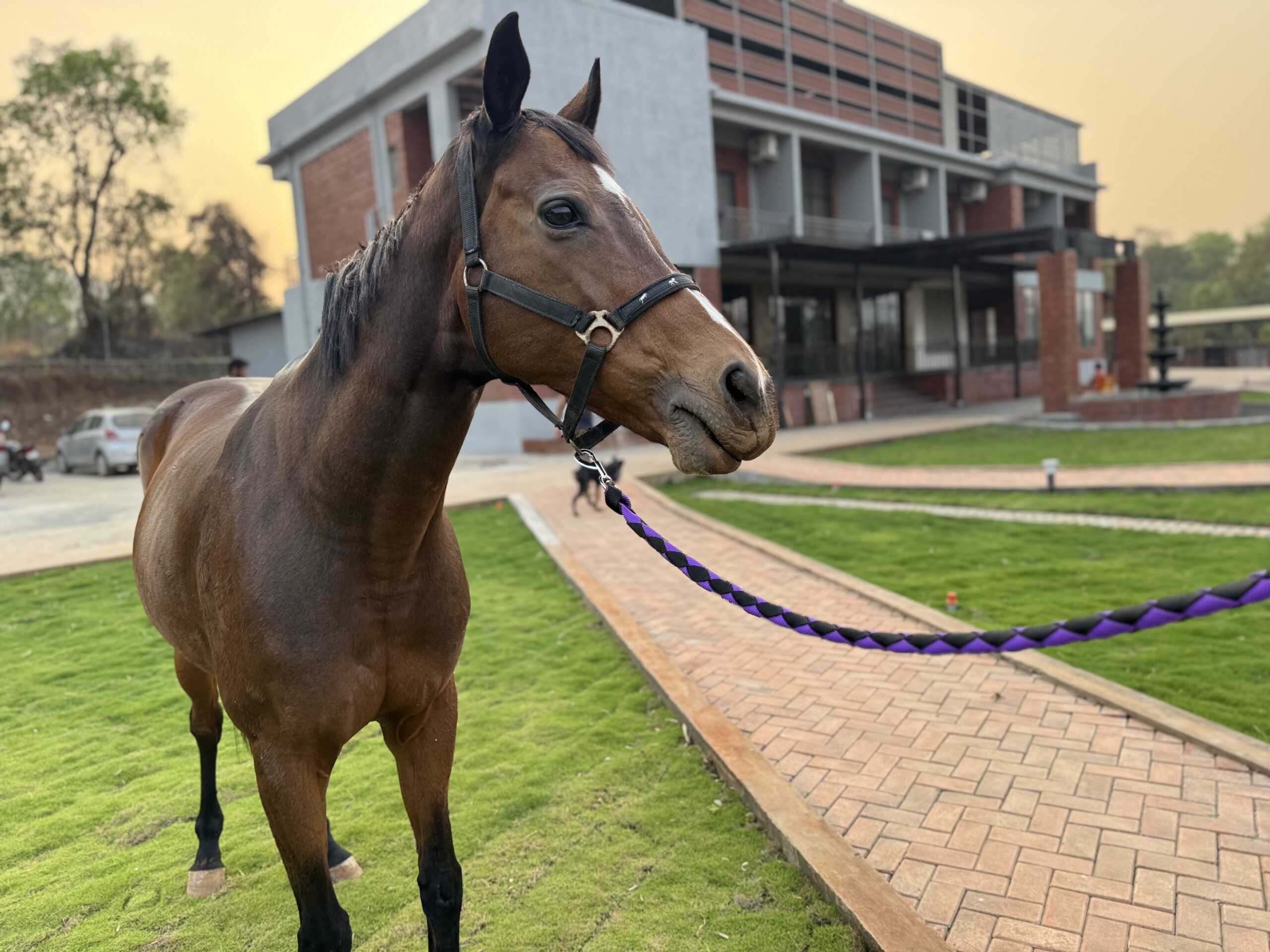
Our Pune center is located in a quiet, green area. It is a “luxury” facility, which means it has comfortable rooms, nutritious meals, and spaces for yoga and meditation. For families from Mumbai or Hyderabad, it offers a “healing escape” from the noise and pressure of the city.
The Mumbai Privacy
For those who cannot stay away for long, we offer “private individual therapy” in Mumbai. This is completely confidential and can be done at a location of your choice. It is a “high-touch” model, meaning the client gets one-on-one attention from the best experts.
Our Leadership
- Siddharth Jhaveri (Founder): With 15+ years of experience, Siddharth is an expert in CBT and knows exactly how to talk to Indian families.
- Dr. Sayantani Mukherjee (Psychiatrist): She brings the medical “MD” expertise to ensure every client is safe and stable.
- Dr. Ranjita Pawar (Psychologist): She holds a PhD in Psychology and understands the “human” side of recovery better than anyone.
The Importance of Family Support
In the West, they often focus only on the individual. But in India, the family is the heart of everything. If only the addict changes and the family stays the same, the person will likely relapse.
We provide “Family Therapy” sessions. These sessions help the spouse, parents, and children understand their role in the recovery. We teach you how to “stop enabling” (which means stopping the behaviors that accidentally help the addiction continue) and how to “start supporting” (which means helping them stay sober).
A joint family in India can be a “huge strength”. You have many people to help, many eyes to keep watch, and a deep well of love. When a family is “aligned,” recovery is much faster and more successful.
What happens after rehab? (Aftercare)
The day your loved one walks out of the rehab is not the “end.” It is the start of a “new life”. The first 3 to 6 months after treatment are the most “high-risk” for relapse.
This is why we provide “Aftercare”. We stay in touch with the client through counseling sessions and support groups. We help them navigate those first few parties, that first big deadline at work, and those first few family arguments without turning to a substance.
Recovery is a “lifelong path,” but it gets easier every day. You start to see small “victories”—a genuine laugh, a night of good sleep, or a weekend spent with children instead of a bottle.
The Law is on Your Side: The Mental Healthcare Act 2017
In India, we now have a landmark law that protects your rights. The 2017 Act says that every person has the right to access “quality mental healthcare” that is affordable and humane.
It also “decriminalized suicide”. This means that if someone tries to harm themselves because they are in pain, the law sees it as a need for “help,” not as a “crime”. The act also emphasizes “informed consent,” meaning your loved one has a say in their treatment. This rights-based approach is a big shift from the old days and ensures that rehabs and hospitals treat people with the “utmost dignity”.
Making the Final Decision
If you are reading this and your heart is beating fast, take a breath. You are doing the right thing by looking for information.
Ask yourself these 3 questions:
- Is there an immediate danger? (Suicidal thoughts, psychosis, severe medical detox need). If YES, go to a Psychiatric Hospital.
- Has the person stabilized physically but still cannot stop using? If YES, they need a Rehabilitation Center.
Do they have underlying depression or anxiety? If YES, find a center that can handle a Dual Diagnosis.
|
Scenario |
Recommended Action |
|
Active Seizures or Hallucinations |
Immediate Hospitalization |
|
Threatening self-harm or others |
Psychiatric Hospital |
|
Desire to quit but failing at home |
Residential Rehab |
|
Needs to learn how to manage stress |
Rehab with CBT/Therapy |
|
Multiple relapses in the past |
Long-term (90 day) Rehab |
You are not alone in this fight
Addiction is a “thief” that steals time, money, and peace from an Indian family. But it is a thief that can be stopped. Every year, thousands of people in cities like Mumbai and Pune go through these doors and come out on the other side as “better versions of themselves”.
The road to recovery starts with one “honest conversation.” It starts when you decide that your loved one’s life is more important than “Log Kya Kahenge”.
We at Zorbacare are here to help you navigate this. Whether you need a place for your loved one in our quiet Pune facility or private therapy in Mumbai, we will give you the “Hand of Help” you.