Not all rehabilitation centres in Kolkata are structured the same way — and the right choice depends on more than location. This guide covers what actually matters before admission: medical supervision, accreditation, family involvement, and aftercare, plus real Kolkata-area facilities worth researching.


There are a growing number of de-addiction and rehabilitation centres in Kolkata — from government-registered facilities and hospital-linked psychiatric units to private wellness centres and residential rehabs outside the city. That range is a good thing, but it also means the decision isn’t as simple as picking whichever centre shows up first in a search. The right choice depends on the person’s specific situation: the substance or behaviour involved, whether there are co-occurring mental health conditions, how much structure and privacy the family needs, and what happens after the program ends.
This guide walks through what actually matters when evaluating rehabilitation centres in Kolkata, what questions to ask before admission, a few well-known Kolkata-area facilities worth researching, and why some families choose to look beyond the city entirely.
Why the choice matters more than the search ranking
Search results for “best rehabilitation centres in Kolkata” mix together government de-addiction centres, private psychiatric hospitals, standalone wellness retreats, and directory listings that aren’t always kept up to date. A high search ranking doesn’t tell you whether a facility has a psychiatrist on-site, whether its detox protocols are medically supervised, or what its relapse rate looks like. Those details only come from direct research — calling the facility, asking specific questions, and, where possible, speaking to former patients or their families.
What to look for in a rehabilitation centre
Before shortlisting any facility — in Kolkata or elsewhere — these are the questions worth asking directly:
1. Medical supervision during detox
Withdrawal from alcohol, benzodiazepines, or opioids can be medically serious, occasionally dangerous, without proper supervision. Confirm whether a psychiatrist or de-addiction specialist is physically present at the facility, not just reachable by phone. Ask what happens if a patient has a medical complication during detox — is there a tie-up with a hospital, and how far away is it?
2. Accreditation and legal registration
In India, rehabilitation and mental health facilities are expected to be registered under the Mental Healthcare Act, 2017, and de-addiction centres are typically expected to register with the state health department. Ask directly whether the facility is registered, and don’t hesitate to ask for documentation. This is one of the simplest ways to filter out informal or unregulated “centres” that operate without any clinical oversight.
3. Individualised treatment planning
Be cautious of any facility offering a single fixed program — for example, a flat 21-day or 28-day package — with no initial clinical assessment. Recovery timelines and treatment intensity should be based on a documented evaluation of the individual, including any co-occurring mental health conditions, not a one-size-fits-all calendar.
4. Family involvement
Structured family counselling, not just occasional visiting hours, is consistently linked to better long-term outcomes. Ask whether the program includes scheduled family therapy sessions, how families are kept updated during treatment, and what support is offered to the family itself — addiction recovery affects the whole household, not just the individual in treatment.
5. Aftercare and relapse prevention
What happens on day one after discharge matters as much as what happens during the program. Ask whether the facility offers a structured aftercare plan, ongoing counselling or check-ins, and a clear relapse-prevention protocol — rather than treatment simply ending at discharge.
6. Transparent, itemised cost
Get a written cost breakdown before admission, not a verbal estimate. Costs at Kolkata-area facilities and comparable residential programs typically range from roughly ₹80,000 to ₹3.5 lakh, depending on program length, room privacy, and the intensity of medical and therapeutic support included. Ask specifically what is and isn’t covered — detox, therapy sessions, aftercare, and any additional medical consultations.
A few Kolkata based facilities to research for
The following are established names that turn up in directories and general search — listed here as a starting point for your own research, not as an endorsement or ranking. Details such as pricing, specialisations, and current accreditation status change, so confirm directly with each facility before making a decision.
- Spirit Foundation (Sodepur) — offers both outpatient and in-patient de-addiction and mental health care, including women’s recovery programs.
- Jagruti Rehabilitation Centre — an established de-addiction and mental healthcare provider, with services spanning alcohol and drug recovery, dementia care, and neurorehabilitation.
- Sustha Jeevan (Barrackpur) — a psychiatric care centre with a dedicated rehabilitation program for alcohol and drug-addicted patients.
- The Kolkata Foundation — a de-addiction centre focused specifically on alcohol, drug, and substance abuse recovery.
Beyond these, Kolkata also has government-registered de-addiction centres and NGO-run facilities, which can be a more affordable option — ask your local health department or a psychiatrist for current referrals, as availability and waitlists change.
Why some families choose to look beyond Kolkata
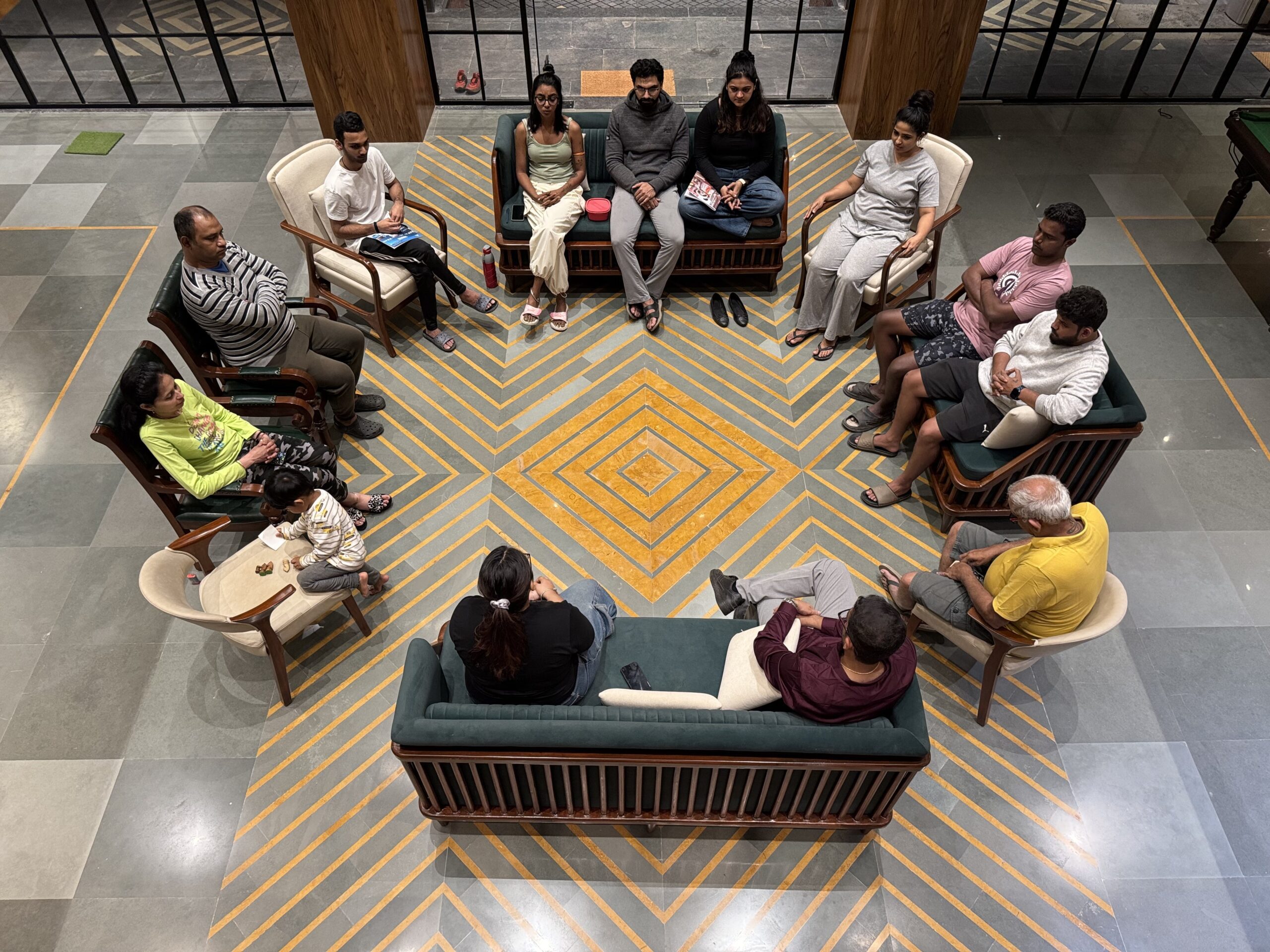
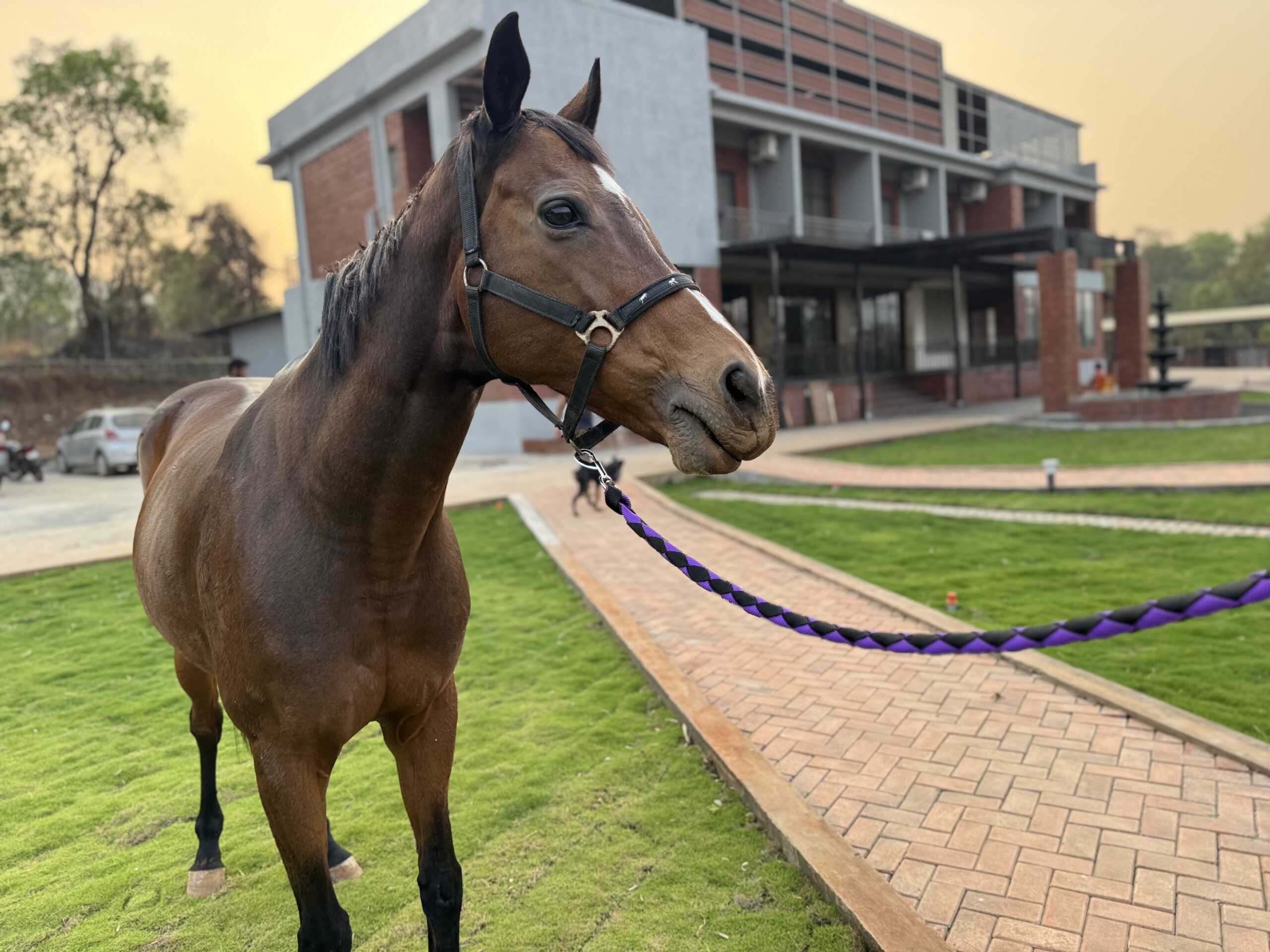
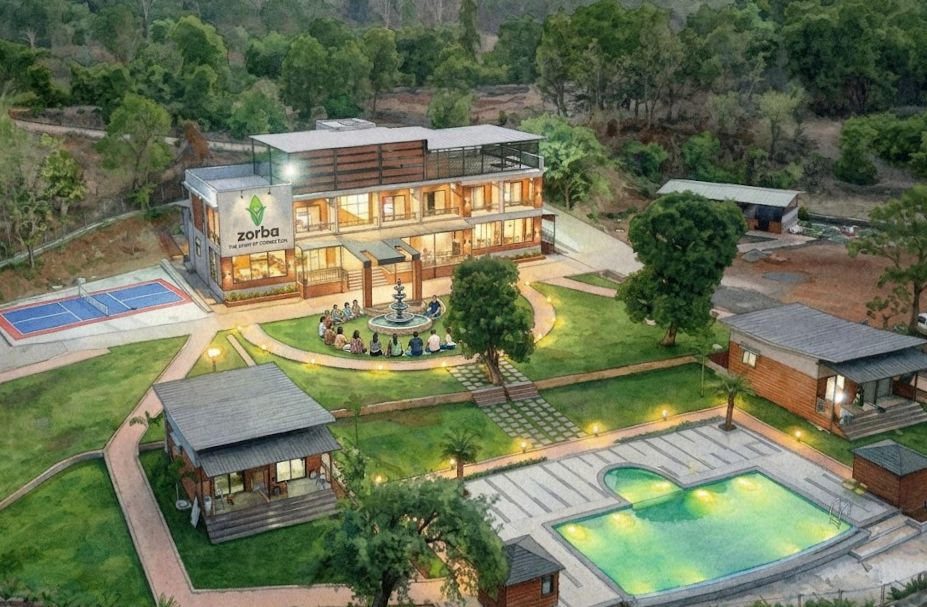
Not every family chooses a facility in Kolkata itself. Some look at residential programs further away — including ZorbaCare’s facility near Mumbai — specifically for a fully residential, distraction-free environment away from the routines, social circles, and pressures that can make early recovery harder in a familiar city. A residential program outside the city also allows for a longer, more structured window of medically supervised care, with family counselling and updates built into the process rather than left to occasional visits.
This isn’t the right fit for everyone — travel, cost, and the ability to be away from work or family responsibilities for an extended period are real factors. But it’s worth weighing alongside local options, particularly for cases involving longer addiction histories, previous relapse, or co-occurring mental health conditions that need more intensive, round-the-clock support.
Frequently asked questions
Is a government-registered rehab centre in Kolkata a safe option?
Government-registered de-addiction centres can be a legitimate and more affordable option, particularly for detox and short-term stabilisation. Confirm registration status directly and ask about staff-to-patient ratios and aftercare support, which can vary significantly between facilities.
How much does rehab cost in Kolkata?
Private facilities typically range from roughly ₹80,000 to ₹3.5 lakh depending on program length and level of privacy. Government and NGO-run centres are generally lower cost or free, though availability can be limited.
Should I choose a local Kolkata facility or a residential program outside the city?
It depends on the severity of the addiction, whether there’s a history of relapse, and how much distance from familiar routines would help. A local facility is often more practical for shorter interventions or ongoing outpatient support; a residential program elsewhere can offer more intensive, longer-term structure.
What should I ask before admitting a family member?
At minimum: is a psychiatrist or specialist on-site, is the facility registered, is the treatment plan individualised, what does aftercare look like, and what is the full, itemised cost.
Next step
For a closer look at one residential option — including admission process, program structure, and answers to common questions from Kolkata-based families — see ZorbaCare’s full Kolkata resource page.