The decision to step into recovery is one of the deepest acts of courage a person can make. In the bustling metropolis of Mumbai, where life never seems to pause, entering a drug rehabilitation centre in Mumbai might feel like hitting the brakes in a speeding world. Yet, it can also serve as a pivotal turning point — the moment …


The decision to step into recovery is one of the deepest acts of courage a person can make. In the bustling metropolis of Mumbai, where life never seems to pause, entering a drug rehabilitation centre in Mumbai might feel like hitting the brakes in a speeding world. Yet, it can also serve as a pivotal turning point — the moment when someone decides to reclaim their life. Knowing what lies ahead helps soften the unknown, making the journey to healing feel less daunting and more possible.
1. The First Step: Assessment & Admission
The moment you arrive at a drug rehabilitation centre Mumbai, the path begins with assessment. Trained clinicians—psychiatrists, psychologists, nurses—evaluate your physical health, substance use history, mental health status, and any co-occurring conditions. This evaluation helps them craft a customized treatment plan.
Next comes the admission protocol: signing consent forms, orientation to the facility, meeting the care team, and getting familiar with schedules and rules. It’s normal to feel anxious, vulnerable, or even resistant at this stage. That uncertainty is part of the process.
2. Detoxification: The Physical Reset
Detox is often one of the most feared phases—but also one of the most vital. A good detox centre in Mumbai will supervise withdrawal symptoms carefully, providing medical support, hydration, nutrition, and emotional care. The duration and intensity depend on the substance(s) used, the length of use, and individual health.
During detox, emotions can swing wildly, cravings may feel overwhelming, and restlessness is common. Yet, this phase is temporary—a clearing of the body, a reset that enables deeper healing to begin.
3. Therapy and Counselling: Building Insight & Skills
Once detox is stabilized, the true therapeutic work begins. At a rehab centre in Mumbai, you’ll engage in:
- Individual therapy — one-on-one sessions to explore triggers, trauma, beliefs, and recovery goals
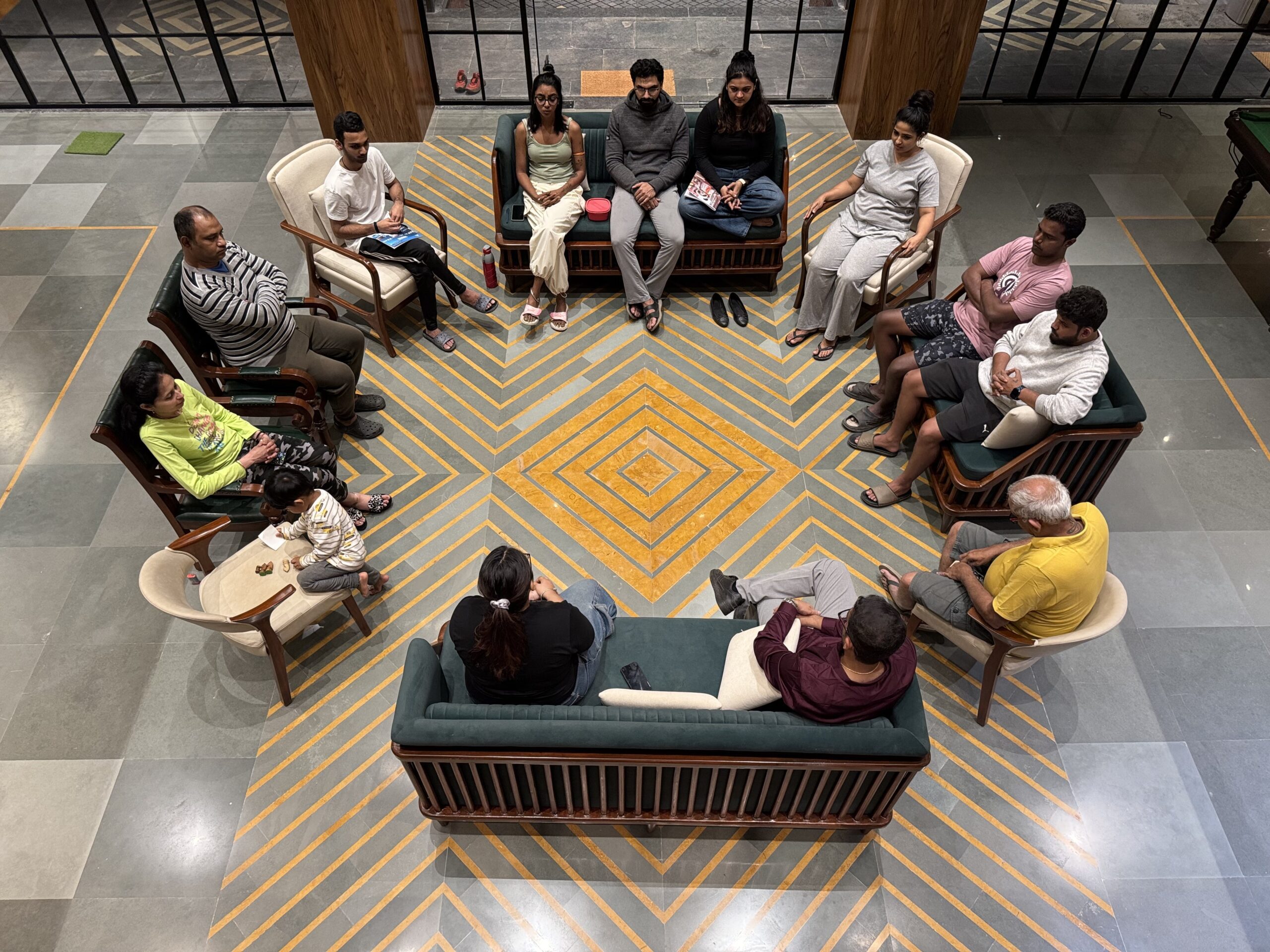
- Group therapy — sharing, listening, and learning with peers under guidance
- Family therapy — mending relationships and creating support systems
- Behavioural therapies (CBT, DBT, Motivational Interviewing) — to rewire thought patterns and coping strategies
These sessions help you unpack the “why” beneath dependency, teach you to manage cravings, and empower you to navigate life differently.
4. Holistic and Complementary Approaches
The best rehabilitation centre in Mumbai doesn’t merely focus on the mind and body in isolation; it treats the person as a whole. Expect complementary practices such as:
- Yoga, meditation, and mindfulness
- Art, music, or drama therapy
- Physical exercise, nature walks, or outdoor activities
- Nutritional counselling
- Wellness practices like massage, spa, or acupuncture
These components enrich recovery, reduce stress, and support emotional balance.
5. Skill Building & Relapse Prevention
A key element of any credible rehabilitation centre in Mumbai is preparing clients for real life. This is where relapse prevention training comes in. You’ll learn:
- Coping strategies for high-risk situations
- Tools to manage stress, cravings, and emotional triggers
- Relapse warning signs and early interventions
- Life skills—communication, time management, employment readiness
This training is what helps recovery stick once you step out of the facility.
6. Aftercare & Ongoing Support
Healing doesn’t end at discharge. A reliable rehab in Mumbai ensures continuity through aftercare. This often includes:
- Follow-up therapy or counselling
- Support groups or peer networks
- Telephonic or digital check-ins
- Periodic retreats or booster sessions
A good rehab centre in Mumbai knows recovery is lifelong. They equip you to walk ahead, not just momentarily.
7. Timeline & Expectations
Every person’s journey is unique; timeframes are guidelines, not rules. Yet here’s what you might expect:
- Short-term programs: 28–30 days — enough for detox and initial therapy
- Intermediate programs: 60 days — allows more depth and integration
- Extended/long-term: 90+ days — better when addiction is deep or mental health is complex
The intensity, number of sessions, and optional therapies often scale with program length.
8. Common Emotional & Psychological Experiences
It’s not unusual to feel a swirl of emotions:
- Guilt, shame, regret — about past behaviours
- Fear of relapse — a shadow that can feel constant
- Boredom or restlessness — when old routines are stripped away
- Breakthroughs and hope — glimpses of possibility emerge
A well-run drug rehabilitation centre Mumbai prepares you for these waves, reminding you that growth often feels uncomfortable before it feels good.
9. What to Look for in a Quality Facility
Choosing the right centre matters. Here are red flags and green flags:
Green Flags
- Licensed medical and mental health professionals
- Evidence-based therapies and holistic care
- Transparent policies and safety protocols
- Aftercare and long-term support
- Personalized, not cookie-cutter, plans
Red Flags
- One-size-fits-all programs
- Lack of medical oversight during detox
- No psychological services or group work
- No follow-up support
- Overemphasis on luxury amenities over core treatment
Do your research. Visit, ask questions, or talk to alumni.
10. Tips for Patients & Families
- Be honest in assessment — omission only weakens the program
- Embrace the discomfort — healing often asks for it
- Participate fully — skip fewer sessions
- Build a sober support circle
- Practice self-care: journaling, rest, nutrition
- Stay connected after discharge
Families: you’re the anchor. Learn boundaries, communication skills, and how to walk beside healing rather than push or rescue.
Conclusion
Recovery isn’t a neat, linear path. Expect detours, moments of despair, and breakthrough instants that surprise you. The road will require your patience, humility, and willingness to change. But gradually, you’ll witness small but profound shifts—the first cravings that pass, the first night of restful sleep, the first genuine laugh that doesn’t come with guilt. Over time, these moments stitch themselves into a new identity: one not defined by dependency, but by resilience, purpose, and connection.
Beyond the walls of therapy rooms and group sessions lies life — life rebuilt. And when the day comes you walk out the doors of a centre, you carry home a roadmap: tools, insights, relationships, and a living testament to your strength.
If you’re looking for a top-tier rehabilitation centre in Mumbai, consider Zorbacare, where healing goes beyond recovery. With personalized programs, expert supervision, and a compassionate environment, Zorbacare helps individuals rebuild their lives and rediscover strength, purpose, and balance.