
Eating Disorder Treatment in India.
An eating disorder is not about food, vanity or willpower — it is a serious mental illness where food, eating and body image become a way to cope with painful emotions and a need for control. It is also one of the most treatable, when the right help arrives. ZorbaCare provides specialist eating disorder treatment in India — for anorexia, bulimia, binge eating and related conditions — as part of complete, compassionate mental health care. With the right support, full recovery is genuinely possible.

Not about food — about control, coping and pain
Eating disorders are serious mental illnesses in which a person’s relationship with food, eating and their body becomes a way to manage overwhelming emotions or to feel a sense of control. They include anorexia, bulimia, binge eating disorder and related conditions. Though they show up around food, food is rarely the real issue — underneath are usually anxiety, low self-worth, perfectionism, trauma or a need for control when life feels chaotic.
Eating disorders thrive in secrecy. Deep shame — and the fear of worrying or disappointing family — keeps most people hidden for years before they reach for help. They are also widely misunderstood in India as vanity, fussiness or a “phase,” and wrongly assumed to affect only young women. In reality they affect all genders, ages and body types, and they carry serious physical and emotional risks. This is exactly why compassionate, private, judgement-free care matters so much.
The most important truth is that eating disorders are treatable, and full recovery is possible. With proper eating disorder treatment in India — specialist therapy, medical and nutritional care, and support for the emotions underneath — people genuinely get better. Family is central to recovery, especially for younger people, so we involve loved ones with care. And because eating disorders so often occur alongside anxiety or depression, we treat the whole person, not just the symptom.

Signs to gently look out for
Eating disorders are often hidden, so the signs can be subtle. These are the changes in mood, behaviour and wellbeing that are worth paying attention to — in yourself or someone you love.
Preoccupation with food & body
Constant thoughts about food, eating or appearance, intense fear about weight or shape, and self-worth that rises and falls with the body.
Secrecy & eating alone
Becoming secretive around food, avoiding eating with others, or a growing sense of shame and distress around meals.
Changes around meals
Skipping meals, making excuses not to eat, new rigid rules or rituals around food, or frequent trips to the bathroom straight after eating.
Physical changes
Noticeable weight changes, tiredness, dizziness, feeling cold, or changes to skin, hair or periods — the body showing the strain, and a reason to seek medical care.
Withdrawal & mood changes
Pulling away from friends and activities, anxiety, irritability, low mood, and increasing distress — the emotional weight the disorder carries.
When it feels out of control
Feeling unable to stop the patterns, even when they cause pain. This is a sign to reach out, not to feel ashamed. If distress ever turns to thoughts of self-harm, call Tele-MANAS on 14416, any time.
Care for the whole person, not just the symptom
Recovery means healing the body, the mind and the emotions underneath — together. This is how specialist eating disorder care works at ZorbaCare.
Assessment & safety
A specialist assesses the eating disorder, your emotional wellbeing and physical health — because some risks are medical — then explains what is happening with warmth, never judgement.
Specialist therapy
Evidence-based therapies like CBT-E and DBT gently untangle the thoughts, rules and emotions that keep the eating disorder going — and rebuild a healthier relationship with food and self.
Medical & nutritional care
Supervised nutritional support and medical monitoring help the body recover safely, guided by professionals — a steady, supported return to health.
Aftercare & relapse prevention
Recovery is not linear, so ongoing support matters. A structured aftercare plan protects your progress and supports you through the harder days.
Care is individual. Every eating disorder and every person is different. Your plan — therapy, medical care, nutrition and family support — is built around your needs and set by specialists, never assumed.
See where recovery happens
A private residential estate in the Sahyadri hills — the environment is part of the treatment, not a backdrop to it.
The therapies behind lasting recovery
Eating disorders need care on several fronts at once — mind, body and relationships. These are the evidence-based components we combine.
CBT-E for eating disorders
Enhanced CBT is a leading treatment for bulimia and binge eating — it challenges the rigid rules and beliefs linking food, body and self-worth, and rebuilds healthier patterns.
Dialectical Behaviour Therapy
DBT builds skills to manage overwhelming emotions and distress without turning to eating-disorder behaviours — especially helpful for binge eating and bulimia.
Individual psychotherapy
A private, judgement-free space to work through what lies beneath — perfectionism, trauma, shame or the need for control — at your own pace.
Nutritional & medical support
Guided nutritional care and medical monitoring help restore physical health safely — rebuilding a calm, sustainable relationship with food, with professional support.
Group & peer support
Hearing others speak the shame you have hidden for years is profoundly freeing — connection breaks the secrecy that keeps eating disorders alive.
Family-based support
Family is one of the most powerful resources in recovery, especially for younger people. We guide loved ones to support healing at home — never as the cause — through family therapy.
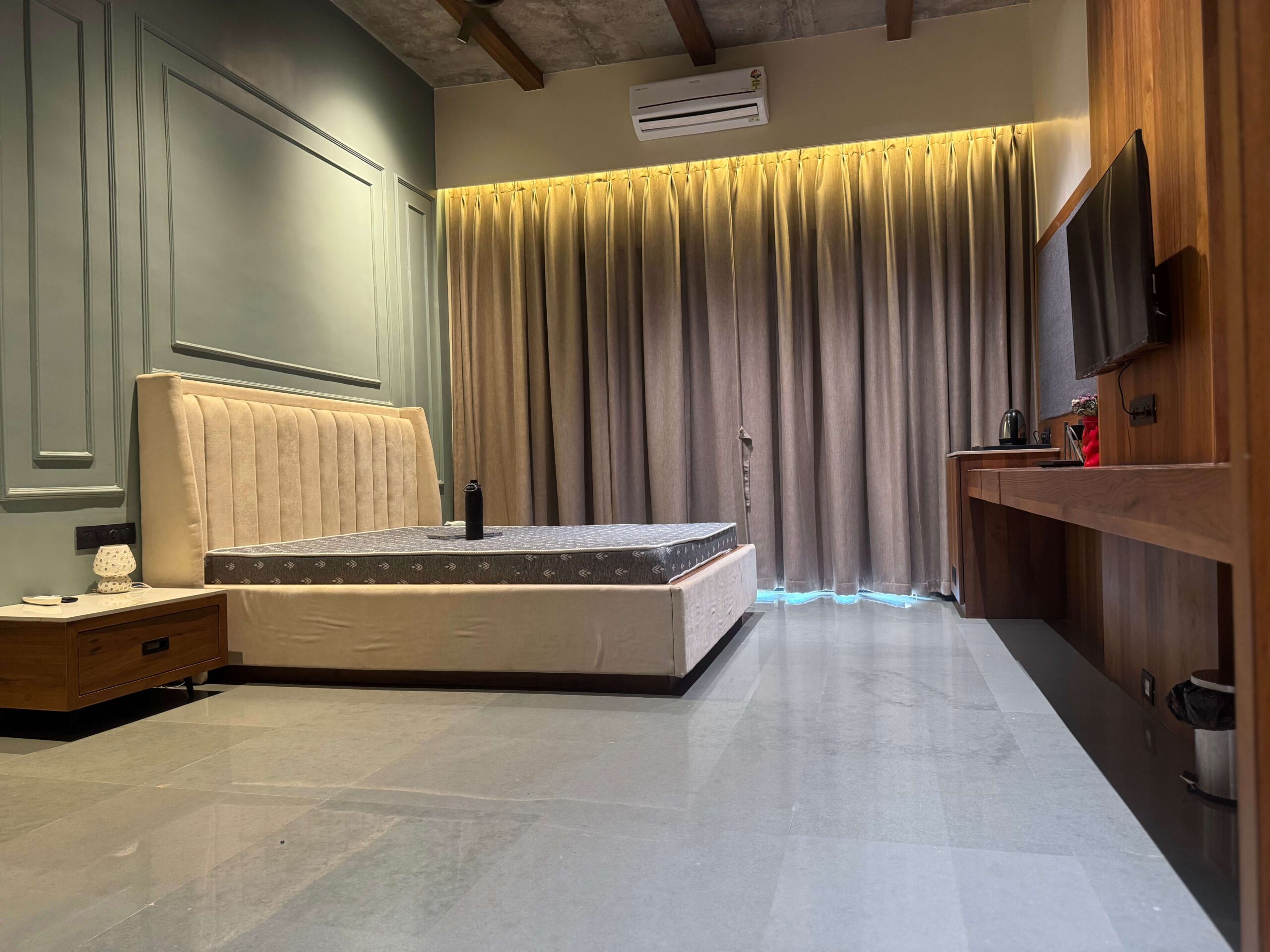
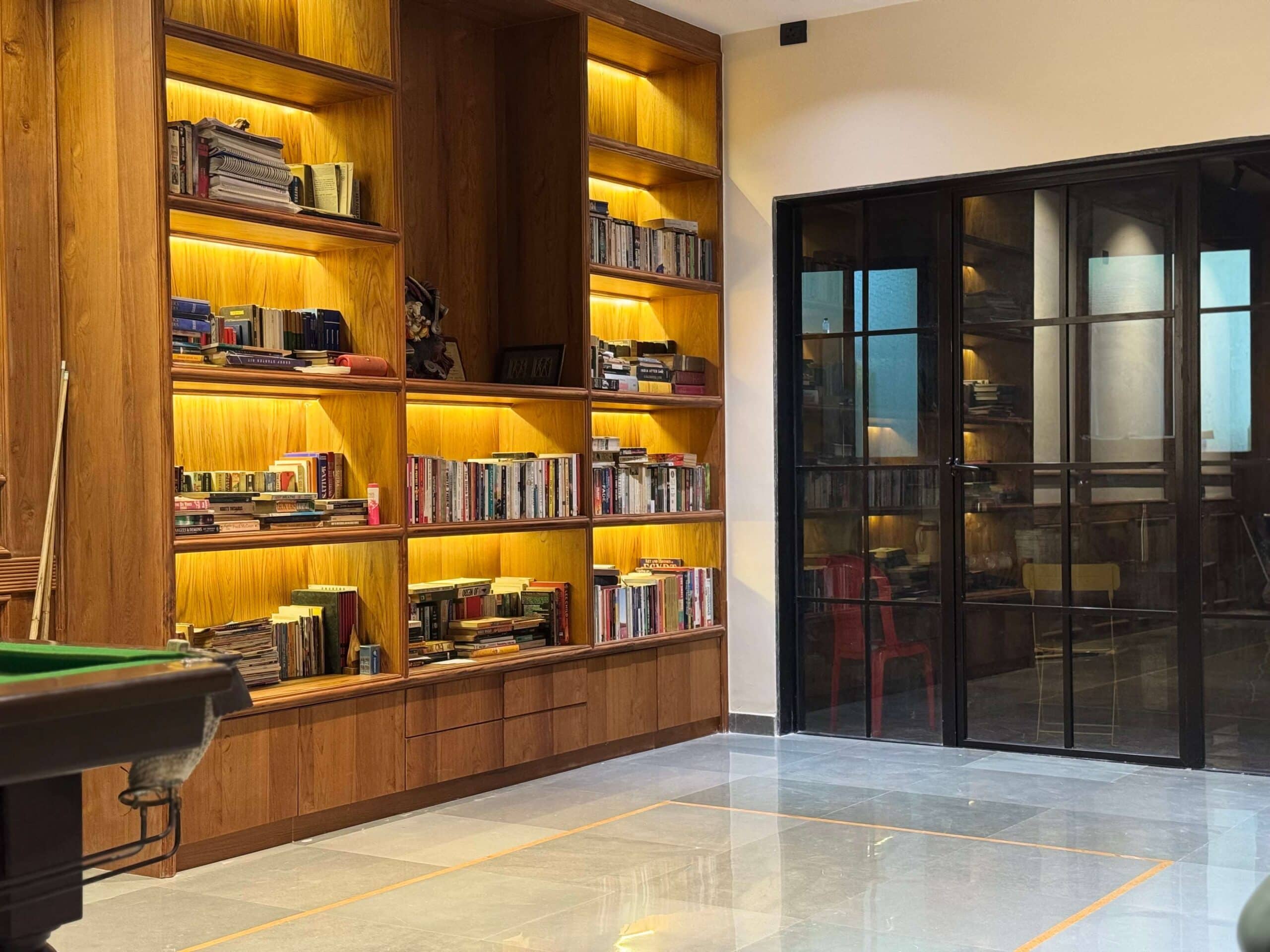
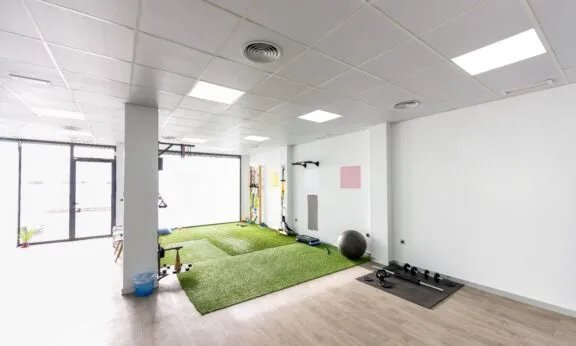
A safe, calm place to recover
Recovery needs safety and calm. Private rooms, open green space and gentle, structured days give the mind and body the steady support that healing depends on.



Living with it vs. treating it
Untreated, an eating disorder tightens its grip — consuming the mind, harming the body and isolating the person. Treated properly, people genuinely recover and rebuild a full life. This is the difference specialist care makes.
- Food and body thoughts take over daily life
- Secrecy and isolation deepen over time
- Serious physical and emotional health risks grow
- Shame convinces the person they cannot be helped
- Years lost to something that could be healed
- A calmer, healthier relationship with food returns
- Physical health steadily recovers with support
- Secrecy lifts; connection with others returns
- Real tools to manage emotions without the disorder
- Freedom, self-worth and a life beyond the illness
Struggling in secret vs. specialist care
Eating disorders rarely resolve alone — willpower and hiding them only tighten their hold. These are the differences specialist, compassionate care makes.
Specialist, compassionate care
Recovery stories, in their own words
Some journeys are best heard from the people who lived them. Real stories from people who found recovery and freedom with ZorbaCare.
After losing his wife suddenly, he struggled with alcohol addiction as a way to cope with grief. But over time, he chose to face his pain, seek support, and rebuild his life.
How does a normal working person end up homeless addicted to drugs. That is what happened to me.
I have lost my love, my job, my family, everything because of my addiction. I thought I would never heal, but now i am more than a year sober.
Started in college as a fun activity from beer to regular frequency drinking. From a life that i loved to out of control drinking.
Reaching out takes courage — we make it gentle
The shame around eating disorders keeps people silent for years. Your first call is private, warm and free of judgement — from anywhere in India.
One confidential call
Share only what feels comfortable. We listen with warmth, never judgement, and explain gently how specialist care can help.
Specialist assessment
A specialist assesses the eating disorder, emotional wellbeing and physical health, and builds a compassionate treatment plan around you.
We arrange everything
Admission is confirmed and the whole journey is arranged door to door — travel, timing and settling in, all handled for you.
Treatment begins
Your care team takes over from the moment you arrive — with family kept informed and involved throughout.
If there is any risk to life, act now. For thoughts of self-harm or suicide, call Tele-MANAS on 14416 (24×7) or reach us directly — please do not wait.
Eating disorder care led by specialists
Your care is directed by experienced psychiatrists and clinical psychologists — eating disorder recovery depends on that specialist, compassionate expertise.

Trusted by families across India
Real words from people who completed the programme with ZorbaCare. More than 250 five-star reviews on Google.
Our family is deeply grateful to ZorbaCare for the care and support they provided throughout our loved one’s recovery. The team was compassionate, professional, and always approachable. Dr. Sayantani Mukherjee ensured that every stage of treatment was clearly explained. Recovery coaches Sandy and Mel provided constant motivation, while psychologist Shamika helped address the emotional challenges behind the addiction. The positive changes have been remarkable.
Recovery is never easy, but my four months at Zorba gave me a strong foundation for a healthier and more positive future. I am grateful for the guidance, support, and encouragement I received throughout my stay. I would highly recommend Zorba to anyone seeking professional help for addiction recovery. Thank you, Zorba, for helping me start a new chapter in my life. 🙏
Zorbacare truly changed my life. The care, support, and guidance I received throughout my recovery journey were exceptional. The staff is compassionate, professional, and genuinely committed to helping people rebuild their lives. I am grateful for the positive impact they have had on me and my family. Thank you, Zorbacare, for giving me a new direction and a fresh start.
It has been 17 months now, i have been sober because of them and they still take regular updates and check ins. Can’t thank them enough specially Sandeep sir. They have been there for me in ways i couldn’t believe. I stayed there for 3 months and still being a part of AA and their aftercare program. They have become a family now.
Eating disorders rarely travel alone
They often occur with anxiety, depression or trauma. We treat the whole person, not just the symptom. Explore the related conditions we care for.
Anxiety & Panic
Anxiety and depression frequently occur together, and respond well to combined care.
Learn more → ConditionTrauma & PTSD
Unresolved trauma often underlies depression. We treat the root, not just the symptom.
Learn more → ConditionDepression
Depression and eating disorders frequently occur together. We treat both, as one person.
Learn more → ProgrammeDual Diagnosis
When depression drives alcohol or drug use, we treat both together — the missing piece.
Learn more →The programmes behind your recovery
Depression is treated within our wider clinical programmes. Explore the levels of care that support it.
Residential Care
Immersive, structured treatment in a calm setting — ideal for moderate to severe depression.
Learn more → Level of CareDual Diagnosis
Integrated treatment for addiction alongside depression, anxiety or trauma.
Learn more → Continuing CareAftercare & Alumni
Relapse prevention and lifelong community support after the programme ends.
Learn more → SupportFamily Programme
Structured therapy and guidance so families heal alongside their loved one.
Learn more →Common questions about eating disorders
Honest answers to what people most often ask us. Anything else — just reach out.
The main ones are anorexia (restricting food and intense fear around weight and body), bulimia (cycles of overeating followed by attempts to compensate), and binge eating disorder (recurrent episodes of eating large amounts with a sense of loss of control and deep distress). There are also related patterns like compulsive or emotional over-eating. They can overlap and change over time, which is why a proper assessment matters — and all of them are treatable.
No — and this misunderstanding causes real harm. Eating disorders are serious mental illnesses, not vanity, a diet gone too far, or a lack of willpower. The behaviours around food are usually a way of coping with painful emotions or finding control when life feels overwhelming. You cannot simply “choose” to stop, any more than you could with any other illness. What helps is not willpower but proper, compassionate treatment.
Approach with gentleness and without blame. Choose a private, calm moment, focus on your care and concern rather than on food or appearance, and avoid comments about weight or eating. Expect that they may feel defensive or ashamed — that is the illness, not rejection of you. Encourage professional help and offer to support them in getting it. You do not need the perfect words; steady, patient love matters more. We also guide families directly on how to help.
Yes. Full recovery is genuinely possible — a life where food and body no longer control you. Recovery is not always a straight line, and harder days happen, but with specialist therapy, medical and nutritional support, and care for the emotions underneath, people do get fully better. The earlier treatment begins, the smoother recovery tends to be — but it is never too late to start.
Both have a place. Many people recover well with regular outpatient therapy and medical monitoring. More intensive or residential care helps when the eating disorder is severe, when there are significant medical risks, when there is co-occurring depression or self-harm, or when home is too difficult to recover in. A calm, structured, supportive environment can make a real difference. We assess honestly and recommend the level of care that fits. If there are ever thoughts of self-harm, call Tele-MANAS on 14416.
Cost depends on the level of care — outpatient therapy is charged per session, residential care by programme and length of stay — and we give a clear, written breakdown up front. On privacy: because shame keeps so many people away, confidentiality is central to how we work. Your care is discreet and judgement-free from the very first call. The best first step is simply a confidential conversation.
Completely. Confidentiality is central to how we operate, from the first call through admission and aftercare. For many families, that anonymity is the main reason they choose to travel for treatment.
Eating disorder & mental health care across India
Our mental health and rehabilitation programmes serve every major Indian city. Wherever you are, admission and travel are fully coordinated for you.
Sources & A Note On Safety
- National Institute of Mental Health (NIMH), Eating Disorders; American Psychiatric Association, DSM-5; research on CBT-E and family-based treatment.
- Gururaj G, et al. National Mental Health Survey of India, 2015–16. National Institute of Mental Health and Neurosciences (NIMHANS), Bengaluru.
- World Health Organization. National Mental Health Survey & NDDTC-AIIMS, India.
This page is for general information and is not a substitute for professional medical advice, diagnosis or treatment. If you or someone you know may have an eating disorder, please reach out to a qualified specialist — recovery is possible, and asking for help is a strength. In a crisis, call Tele-MANAS on 14416 (24×7, India).