
OCD Treatment in India.
OCD is not about being tidy or particular — it is a cycle of distressing intrusive thoughts and the rituals people feel forced to perform for relief. It is exhausting, often hidden, and deeply misunderstood. ZorbaCare provides specialist OCD treatment in India built on Exposure and Response Prevention (ERP) — the gold-standard therapy — as part of complete, compassionate mental health care. OCD is highly treatable, and with the right care most people achieve major, lasting relief.

It is not a habit — and it is not your fault
Obsessive-Compulsive Disorder is a cycle. An obsession — an unwanted, intrusive thought, image or urge — creates intense anxiety. To relieve it, the person performs a compulsion: washing, checking, counting, praying, seeking reassurance. The relief lasts moments, then the thought returns, and the cycle tightens. It can consume hours a day and is genuinely exhausting to live with.
In India, OCD is widely misunderstood — reduced to a joke about being “a bit OCD” over a tidy desk. Real OCD is the opposite of trivial. Common forms here include contamination fears and excessive washing, checking locks and gas, symmetry and ordering, and religious or moral obsessions — blasphemous intrusive thoughts and endless prayer or ritual to neutralise them. Many people hide it in shame for years before seeking help.
Here is what matters most: intrusive thoughts do not reflect who you are or what you want — they are symptoms, not intentions, and having them does not make you a bad or dangerous person. OCD is also highly treatable. With proper OCD treatment in India — led by ERP therapy, with medication where needed — the majority achieve major, lasting relief. Because OCD often occurs alongside anxiety or depression, we treat the whole picture together.

How OCD actually shows up
OCD is far more than tidiness. It is a loop of intrusive thoughts and the rituals done to quiet them. These are the forms we see most often in India.
Contamination & washing
Intense fear of germs, dirt or illness, driving excessive hand-washing, cleaning or avoidance — sometimes until the skin is raw.
Checking & doubt
Checking locks, gas, taps or switches again and again — never quite able to trust the memory that it is done, so the checking repeats.
Intrusive thoughts
Unwanted, distressing thoughts, images or urges — often violent, sexual or blasphemous — that horrify the person having them. They are symptoms, not intentions.
Symmetry & ordering
A need for things to be “just right” — arranged, aligned or counted — with deep discomfort until the feeling is satisfied.
Religious & moral obsessions
Blasphemous or immoral intrusive thoughts, and excessive prayer, confession or ritual to “undo” them — a form especially common, and especially distressing, in India.
Reassurance & rituals
Repeatedly seeking reassurance, or mental rituals like counting and repeating phrases, to neutralise the fear. If distress ever turns to thoughts of self-harm, call Tele-MANAS on 14416, any time.
ERP-led OCD treatment, built around you
OCD needs a specific approach — general talk therapy alone rarely shifts it. Our treatment centres on ERP, the proven gold standard. This is how OCD care works at ZorbaCare.
Assessment & mapping
We map your specific obsessions, compulsions and triggers — using clinical scales like the Y-BOCS — and explain how the OCD cycle works, which reduces shame straight away.
Exposure & Response Prevention
The core of OCD treatment. ERP guides you to face triggers gradually while resisting the compulsion — teaching the brain, through experience, that the feared outcome does not come.
CBT & medication if needed
CBT reframes the beliefs that fuel OCD — overestimated danger, inflated responsibility. Where helpful, a psychiatrist prescribes SSRIs at OCD-specific doses, carefully monitored.
Relapse prevention
OCD can flare under stress, so you leave with ERP tools and a clear plan. Structured aftercare keeps the gains you have fought for.
Care is individual. Mild OCD may need only a short ERP course; moderate to severe OCD often benefits from ERP plus medication. Your plan is always set by a specialist, never assumed — and always explained.
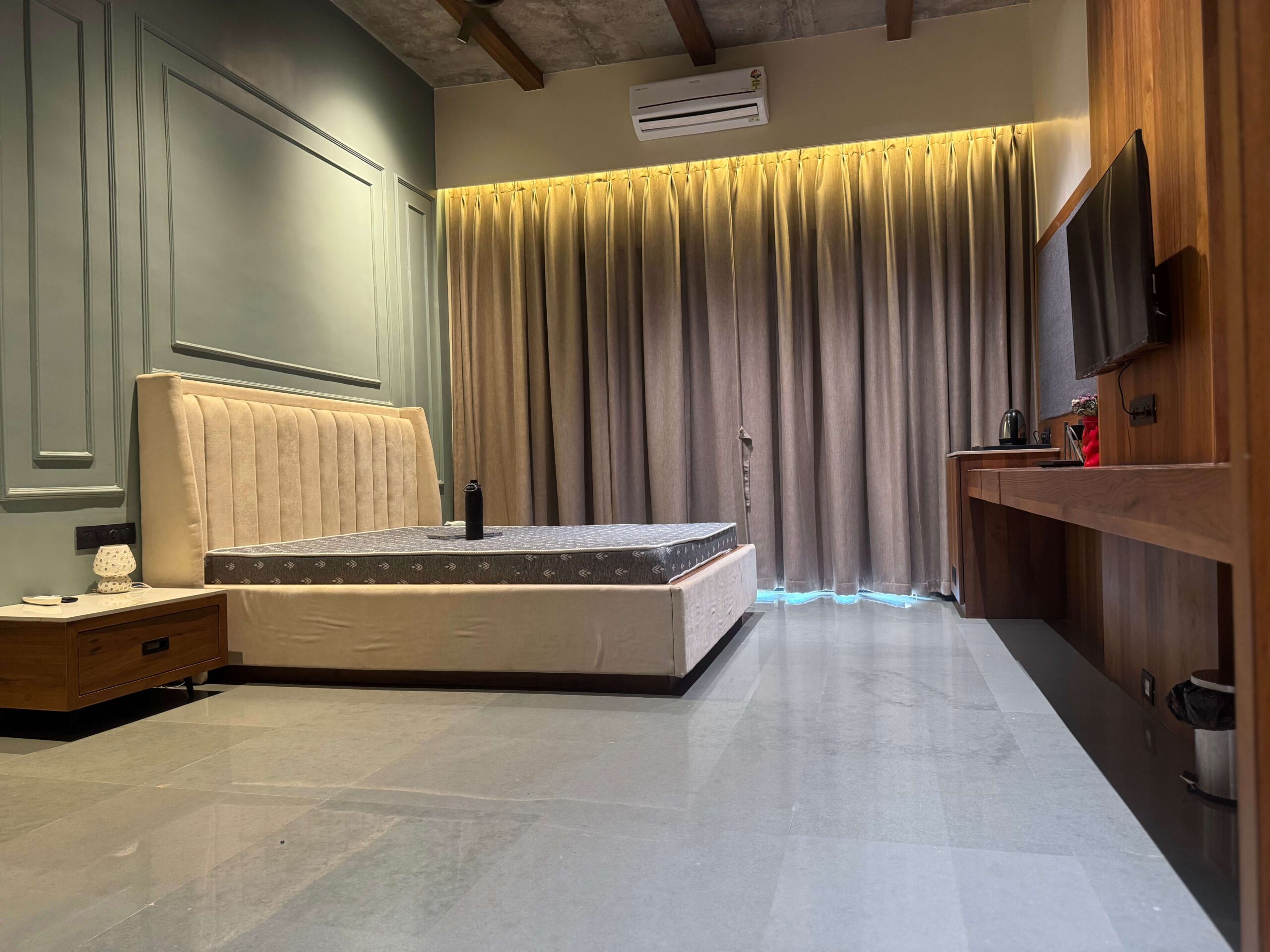
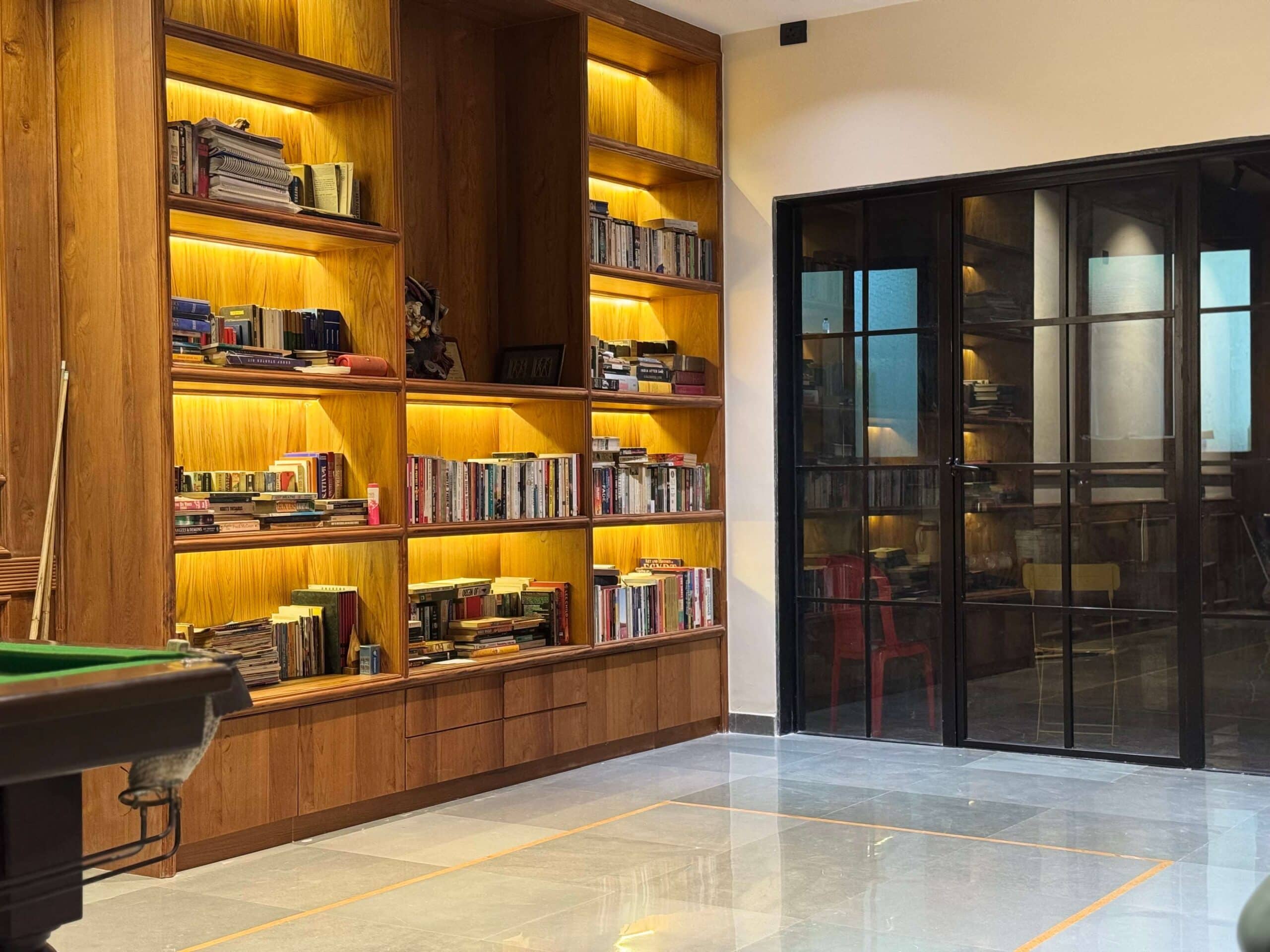
See where recovery happens
A private residential estate in the Sahyadri hills — the environment is part of the treatment, not a backdrop to it.
The therapies that break the OCD cycle
OCD does not respond to logic or willpower — it is a pattern, and it takes the right tools to break it. These are the evidence-based components we combine.
Exposure & Response Prevention
The gold-standard OCD therapy. By facing triggers without performing the ritual, ERP weakens the obsession–compulsion link until the fear loses its grip.
Cognitive Behavioural Therapy
CBT restructures the distorted beliefs behind OCD — overestimating danger, feeling responsible for preventing harm — and works hand in hand with ERP.
Medication where needed
For moderate to severe OCD, SSRIs at OCD-specific doses can reduce the intensity of obsessions — prescribed and monitored by a psychiatrist, alongside therapy.
Mindfulness & tolerance
Learning to notice an intrusive thought and let it pass — without reacting — builds the tolerance for uncertainty that OCD constantly attacks.
Group & peer support
Meeting others with OCD breaks years of secret shame — and hearing “me too” about a thought you feared to speak is profoundly freeing.
Family coaching
Families often “accommodate” OCD — giving reassurance or joining rituals — which unknowingly feeds it. We coach families to support recovery instead, through family sessions.
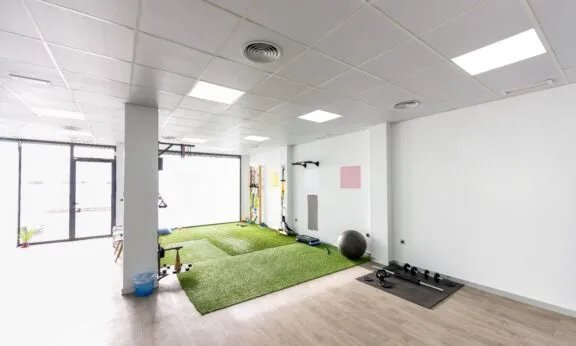
A calm place to break the cycle
OCD recovery takes focus and safety. Private rooms, open green space and calm, structured days give you the steady ground that ERP work needs.


Living with it vs. treating it
Untreated, OCD steals more and more time and freedom as rituals grow. Treated with ERP, the cycle breaks and life opens back up. This is the difference the right care makes.
- Rituals grow, eating up hours of every day
- More triggers avoided; the world keeps shrinking
- Shame and secrecy deepen the isolation
- Exhaustion from a mind that never gets to rest
- Relationships and work strained by the demands of OCD
- Compulsions lose their grip and shrink away
- Intrusive thoughts lose their power to distress
- Hours of the day are handed back to you
- ERP tools to face triggers without ritual
- Freedom, focus and a life no longer ruled by OCD
General therapy vs. specialist ERP-led care
OCD needs a specific skill set — not every therapist has it. Trying to “think your way out” or using general anxiety approaches rarely works. These are the differences specialist care makes.
Specialist ERP-led care
Recovery stories, in their own words
Some journeys are best heard from the people who lived them. Real stories from people who broke free from the OCD cycle with ZorbaCare.
After losing his wife suddenly, he struggled with alcohol addiction as a way to cope with grief. But over time, he chose to face his pain, seek support, and rebuild his life.
How does a normal working person end up homeless addicted to drugs. That is what happened to me.
I have lost my love, my job, my family, everything because of my addiction. I thought I would never heal, but now i am more than a year sober.
Started in college as a fun activity from beer to regular frequency drinking. From a life that i loved to out of control drinking.
Getting help is simpler than you fear
If OCD is running your life, specialist help is closer than it feels. From your first call, the process is clear, confidential and free of judgement — from anywhere in India.
One confidential call
Tell us what you or your loved one is experiencing — even the thoughts that feel impossible to say. We listen without judgement and explain how ERP-led treatment helps.
Specialist assessment
A specialist maps your obsessions and compulsions, measures severity, and builds an ERP-based treatment plan around you.
We arrange everything
Admission is confirmed and the whole journey is arranged door to door — travel, timing and settling in, all handled for you.
Treatment begins
Your care team takes over from the moment you arrive — with family kept informed and involved throughout.
If there is any risk to life, act now. For thoughts of self-harm or suicide, call Tele-MANAS on 14416 (24×7) or reach us directly — please do not wait.
OCD care led by ERP-trained specialists
Your OCD treatment is directed by psychiatrists and psychologists experienced in ERP — the specific clinical skill that makes OCD treatment work.


Trusted by families across India
Real words from people who completed the programme with ZorbaCare. More than 250 five-star reviews on Google.
Our family is deeply grateful to ZorbaCare for the care and support they provided throughout our loved one’s recovery. The team was compassionate, professional, and always approachable. Dr. Sayantani Mukherjee ensured that every stage of treatment was clearly explained. Recovery coaches Sandy and Mel provided constant motivation, while psychologist Shamika helped address the emotional challenges behind the addiction. The positive changes have been remarkable.
Recovery is never easy, but my four months at Zorba gave me a strong foundation for a healthier and more positive future. I am grateful for the guidance, support, and encouragement I received throughout my stay. I would highly recommend Zorba to anyone seeking professional help for addiction recovery. Thank you, Zorba, for helping me start a new chapter in my life. 🙏
Zorbacare truly changed my life. The care, support, and guidance I received throughout my recovery journey were exceptional. The staff is compassionate, professional, and genuinely committed to helping people rebuild their lives. I am grateful for the positive impact they have had on me and my family. Thank you, Zorbacare, for giving me a new direction and a fresh start.
It has been 17 months now, i have been sober because of them and they still take regular updates and check ins. Can’t thank them enough specially Sandeep sir. They have been there for me in ways i couldn’t believe. I stayed there for 3 months and still being a part of AA and their aftercare program. They have become a family now.
OCD rarely travels alone
It often overlaps with anxiety, depression or trauma. We treat these together, not in isolation. Explore the related conditions we care for.
Depression
Anxiety and depression frequently occur together, and respond well to combined care.
Learn more → ConditionTrauma & PTSD
Unresolved trauma often underlies depression. We treat the root, not just the symptom.
Learn more → ConditionAnxiety & Panic
Anxiety and OCD share the same fear circuitry and very often occur together.
Learn more → ProgrammeDual Diagnosis
When depression drives alcohol or drug use, we treat both together — the missing piece.
Learn more →The programmes behind your recovery
Depression is treated within our wider clinical programmes. Explore the levels of care that support it.
Residential Care
Immersive, structured treatment in a calm setting — ideal for moderate to severe depression.
Learn more → Level of CareDual Diagnosis
Integrated treatment for addiction alongside depression, anxiety or trauma.
Learn more → Continuing CareAftercare & Alumni
Relapse prevention and lifelong community support after the programme ends.
Learn more → SupportFamily Programme
Structured therapy and guidance so families heal alongside their loved one.
Learn more →Common questions about OCD
Honest answers to what people most often ask us. Anything else — just reach out.
Liking things tidy is a preference; OCD is distress. The difference is the cycle: an intrusive thought creates real anxiety, and a compulsion is performed to relieve it — taking up time, causing shame, and interfering with daily life. If checking, washing, counting or intrusive thoughts are stealing hours or causing genuine distress, that is not a habit, and it is worth a proper assessment.
No — and this is one of the most important things we tell people. Intrusive thoughts, however violent, sexual or blasphemous, are symptoms of OCD, not intentions or desires. In fact, the more horrifying you find a thought, the less it reflects who you are. People with OCD are among the least likely to act on these thoughts. Naming them as OCD, rather than judging yourself, is the beginning of getting better.
ERP — Exposure and Response Prevention — is the gold-standard treatment for OCD. It gently and gradually exposes you to what triggers the obsession, while helping you resist the compulsion. Each time you sit with the discomfort without performing the ritual, the brain learns the feared outcome does not happen — and the urge weakens. OCD is a pattern, not a logic problem, and ERP is what breaks the pattern.
OCD is highly treatable, and many people reach full remission — living without meaningful symptoms. It can have a tendency to flare under stress, but with ERP skills and a relapse-prevention plan, most people manage those moments easily and lead full, unrestricted lives. “Cure” is the wrong frame; lasting control and freedom is very achievable.
With compassion — and by not “accommodating” the OCD. It is natural to give reassurance or help with rituals to ease a loved one’s distress, but this actually strengthens OCD over time. We coach families to step back from rituals kindly, support the ERP work, and be patient. Involving family properly is one of the biggest predictors of lasting recovery. If distress ever turns to thoughts of self-harm, call Tele-MANAS on 14416.
It depends on the level of care. Outpatient ERP therapy is charged per session; residential treatment is priced by programme and length of stay. Because OCD needs ERP-trained clinicians specifically, it is worth choosing on expertise, not just price. We give a clear, written breakdown up front, with no hidden costs — start with a confidential call.
Completely. Confidentiality is central to how we operate, from the first call through admission and aftercare. For many families, that anonymity is the main reason they choose to travel for treatment.
OCD & mental health care for families across India
Our mental health and rehabilitation programmes serve every major Indian city. Wherever you are, admission and travel are fully coordinated for you.
Sources & A Note On Safety
- Gururaj G, et al. National Mental Health Survey of India, 2015–16. NIMHANS, Bengaluru. / World Health Organization, common mental disorders global estimates.
- Gururaj G, et al. National Mental Health Survey of India, 2015–16. National Institute of Mental Health and Neurosciences (NIMHANS), Bengaluru.
- World Health Organization. National Mental Health Survey & NDDTC-AIIMS, India.
This page is for general information and is not a substitute for professional medical advice, diagnosis or treatment. If you or someone you know is struggling with OCD, please speak with a clinician experienced in ERP. Intrusive thoughts are a symptom, not a danger. In a crisis, call Tele-MANAS on 14416 (24×7, India).