
Dialectical Behaviour Therapy (DBT) in Mumbai, India.
Dialectical Behaviour Therapy — DBT — is a powerful, evidence-based therapy for people who feel emotions intensely and struggle to manage them. Developed by Dr Marsha Linehan, it is the gold-standard treatment for borderline personality disorder (BPD) and self-harm, and it works for anyone caught in cycles of overwhelming emotion, impulsivity and unstable relationships. DBT combines the change-focus of CBT with acceptance and mindfulness — teaching real, practical skills to build a life worth living. ZorbaCare provides DBT in Mumbai, Pune and across India, delivered by trained clinicians as part of complete mental health and addiction care.

How DBT works: balancing acceptance and change
The word “dialectical” means holding two opposite truths at once — and that is the heart of DBT. It says: you are doing the best you can, AND you need to learn new skills to build a better life. Both are true. For people who feel everything intensely, being told simply to “change” feels invalidating, while being told everything is fine offers no way forward. DBT holds both — deep acceptance of where you are, alongside real, practical tools to move forward.
DBT grew out of CBT, but was created specifically for people whom standard therapy was failing — those with intense emotions, chronic suicidal thoughts and self-harm. It teaches four sets of skills: mindfulness (staying present), distress tolerance (surviving crises without making them worse), emotion regulation (understanding and managing feelings), and interpersonal effectiveness (asking for what you need and setting boundaries). These skills are practised until they become second nature.
Full DBT usually combines individual therapy with a skills group, and it is backed by strong evidence — dozens of trials show it reduces self-harm, suicidal behaviour and hospital admissions, while improving relationships and quality of life.[2] At ZorbaCare, DBT is central to how we treat borderline personality disorder and related mental health conditions, in Mumbai, Pune and across India.

What DBT can help you with
DBT was built for intense emotions and the struggles that come with them — and its skills help across many conditions. These are the areas we use it for most.
Borderline (BPD)
DBT is the gold-standard, first-line treatment for borderline personality disorder — reducing symptoms and building stability.[1]
Self-harm
DBT is proven to reduce self-harm and suicidal behaviour — teaching safer ways to survive overwhelming emotional pain.[2]
Emotion dysregulation
For anyone who feels emotions intensely and reacts impulsively, DBT builds the skills to understand, ride out and manage those feelings.
Impulse control
DBT’s distress-tolerance skills help with impulsive behaviours — creating a pause between urge and action.
Addiction & recovery
DBT skills help in addiction recovery — managing the intense feelings and impulses that drive using and relapse.
Eating disorders & more
DBT also helps with eating disorders, depression, anger and unstable relationships — wherever emotion regulation is the core challenge.
What actually happens in DBT
Full DBT has several parts working together — individual therapy, skills training and real-life practice. Here is how they fit together.
Individual therapy
One-to-one sessions where you and your therapist work on your specific goals, tackle what gets in the way of a life worth living, and apply the skills to your real situations.
Skills training
Learning the four core DBT skills — mindfulness, distress tolerance, emotion regulation and interpersonal effectiveness — often in a group, like a class where you build a practical toolkit.
Practice in daily life
The real work happens between sessions. You practise the skills in your actual life — and some DBT programmes offer phone coaching for support in difficult moments as they happen.
Building a life worth living
Over time, the skills become second nature. The goal of DBT is not just to survive crises, but to build a life that genuinely feels worth living — with steadier emotions and stronger relationships.
DBT is a team effort. You are never judged for struggling. Your therapist is on your side, works with you as a partner, and helps you apply each skill to your own life — at a pace that works for you.
See where recovery happens
A private residential estate in the Sahyadri hills — the environment is part of the treatment, not a backdrop to it.
The core skills DBT teaches you
DBT is, at heart, a set of practical life skills grouped into four modules. These are the tools you learn, practise and keep — for good.
Mindfulness & Distress Tolerance
- Staying present — noticing this moment without being swept away by it.
- Observing emotions — watching feelings rise and pass, without reacting.
- Surviving a crisis — getting through intense pain without making it worse.
- Self-soothing — healthy ways to calm yourself when everything feels too much.
Emotion Regulation
- Naming emotions — understanding what you feel and why.
- Reducing vulnerability — sleep, food and routine that steady your moods.
- Opposite action — acting against an unhelpful urge to change the emotion.
- Building positives — steadily adding experiences that lift your mood.
Interpersonal Effectiveness
- Asking for what you need — clearly, without aggression or apology.
- Saying no — setting boundaries while keeping the relationship.
- Keeping respect — for yourself and the other person, even in conflict.
- Building relationships — steadier, healthier connections that last.
Signature DBT tools you’ll use
DBT is full of memorable, practical tools with names you’ll come to know well. These are some of the most useful.
TIPP for crises
Fast, body-based skills (Temperature, Intense exercise, Paced breathing, Paired muscle relaxation) that calm an overwhelming emotional storm within minutes.
Wise Mind
Finding the balance between “emotion mind” and “reasonable mind” — the calm, centred place where your best decisions come from.
Radical acceptance
Accepting reality as it is — not approving of it, but stopping the exhausting fight against what cannot be changed, so you can move forward.
Diary cards
A simple daily record of emotions, urges and skills used — helping you and your therapist spot patterns and track real progress.
DEAR MAN
A step-by-step script for asking for what you need or saying no — assertive, respectful, and effective, even in difficult conversations.
Phone coaching
In many DBT programmes, brief between-session support to help you use a skill in a real crisis — so learning sticks when it matters most.
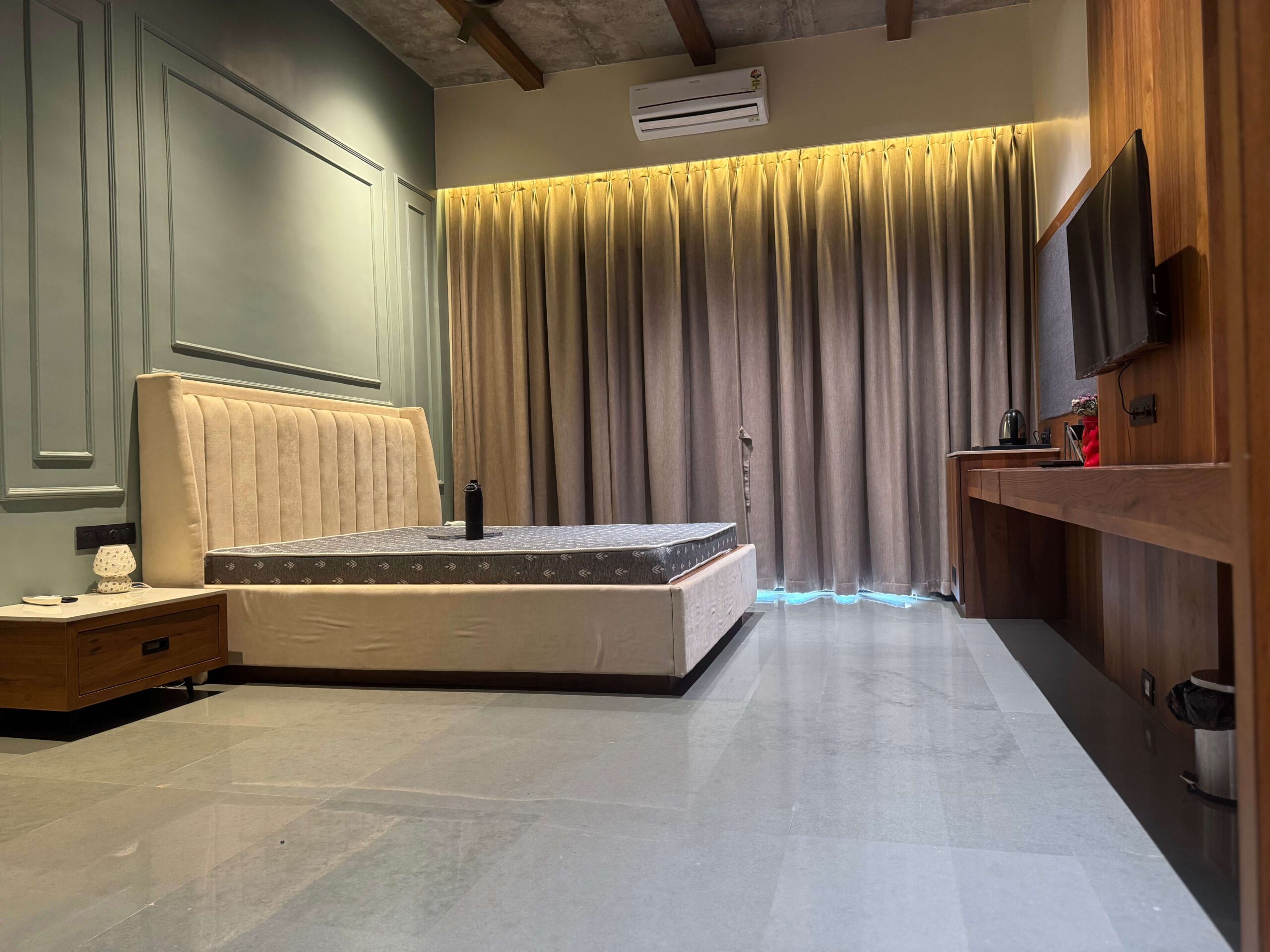
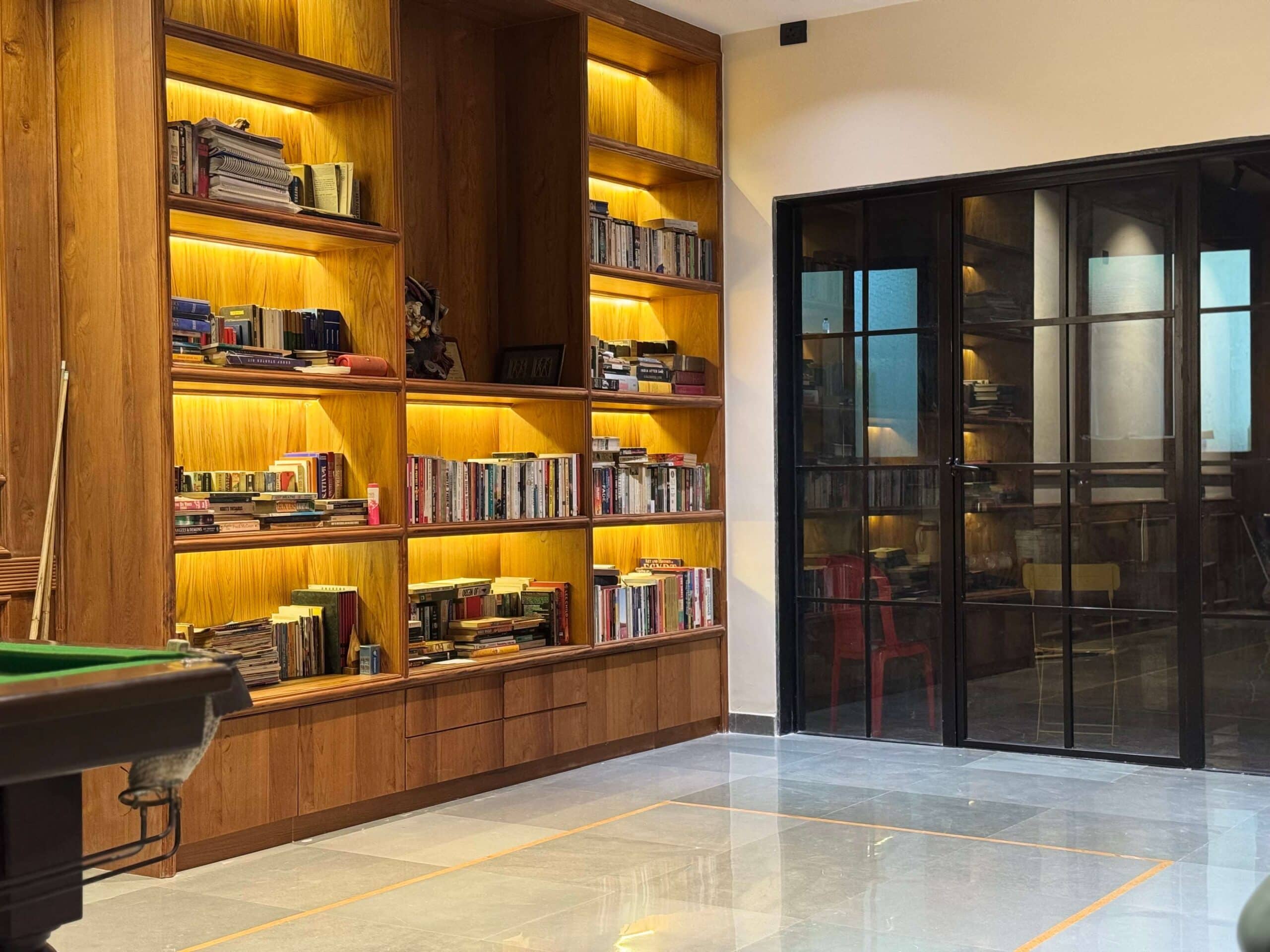
A calm space to do the work
Therapy works best in a calm, private setting. Quiet rooms, open green space and an unhurried environment make it easier to reflect, focus and do the real work of change.



Living with it vs. treating it
When emotions run the show, life can feel like lurching from one crisis to the next. DBT hands you the skills to steady yourself. This is the difference they make.
- Emotions feel overwhelming and out of control
- Impulsive reactions you later regret
- Self-harm or crisis as the only way to cope
- Relationships feel stormy and unstable
- A painful sense that things will never change
- You ride out intense emotions without being ruled by them
- You pause between an urge and acting on it
- You have safer ways to survive a crisis
- Your relationships become steadier and healthier
- You build a life that genuinely feels worth living
Self-help apps vs. a trained DBT therapist
DBT skills apps can help you learn the basics, but full DBT for serious difficulties needs a trained therapist. Here is why.
Trained DBT therapists
Recovery stories, in their own words
Some journeys are best heard from the people who lived them. Real stories from people whose lives changed through therapy at ZorbaCare.
After losing his wife suddenly, he struggled with alcohol addiction as a way to cope with grief. But over time, he chose to face his pain, seek support, and rebuild his life.
How does a normal working person end up homeless addicted to drugs. That is what happened to me.
I have lost my love, my job, my family, everything because of my addiction. I thought I would never heal, but now i am more than a year sober.
Started in college as a fun activity from beer to regular frequency drinking. From a life that i loved to out of control drinking.
Starting DBT is simpler than you think
You do not need to have it all figured out to begin DBT. From your first call, the process is clear, confidential and judgement-free — in Mumbai, Pune, or anywhere in India.
One confidential call
Tell us what you are struggling with. We listen without judgement and explain how DBT could help — with no pressure.
Assessment & goal-setting
Your therapist assesses whether DBT is right for you and sets clear goals with you — so it is focused from the first session.
We arrange everything
Admission is confirmed and the whole journey is arranged door to door — travel, timing and settling in, all handled for you.
Treatment begins
Your care team takes over from the moment you arrive — with family kept informed and involved throughout.
If there is any risk to life, act now. For thoughts of self-harm or suicide, call Tele-MANAS on 14416 (24×7) or reach us directly — please do not wait.
DBT delivered by trained clinicians
Your DBT is delivered by trained, experienced clinicians and overseen by consultant psychiatrists — the specialist skill that makes DBT genuinely effective and safe.



Trusted by families across India
Real words from people who completed the programme with ZorbaCare. More than 250 five-star reviews on Google.
Our family is deeply grateful to ZorbaCare for the care and support they provided throughout our loved one’s recovery. The team was compassionate, professional, and always approachable. Dr. Sayantani Mukherjee ensured that every stage of treatment was clearly explained. Recovery coaches Sandy and Mel provided constant motivation, while psychologist Shamika helped address the emotional challenges behind the addiction. The positive changes have been remarkable.
Recovery is never easy, but my four months at Zorba gave me a strong foundation for a healthier and more positive future. I am grateful for the guidance, support, and encouragement I received throughout my stay. I would highly recommend Zorba to anyone seeking professional help for addiction recovery. Thank you, Zorba, for helping me start a new chapter in my life. 🙏
Zorbacare truly changed my life. The care, support, and guidance I received throughout my recovery journey were exceptional. The staff is compassionate, professional, and genuinely committed to helping people rebuild their lives. I am grateful for the positive impact they have had on me and my family. Thank you, Zorbacare, for giving me a new direction and a fresh start.
It has been 17 months now, i have been sober because of them and they still take regular updates and check ins. Can’t thank them enough specially Sandeep sir. They have been there for me in ways i couldn’t believe. I stayed there for 3 months and still being a part of AA and their aftercare program. They have become a family now.
Where we use DBT
DBT is central to how we treat emotional and personality difficulties. Explore the areas where it makes the biggest difference — and the other therapies we combine it with.
Borderline (BPD)
DBT is the gold-standard, first-line treatment for borderline personality disorder.
Learn more → ConditionTrauma & PTSD
Unresolved trauma often underlies depression. We treat the root, not just the symptom.
Learn more → ConditionImpulse Control
DBT’s distress-tolerance skills create a pause between urge and impulsive action.
Learn more → ProgrammeDual Diagnosis
DBT helps manage the intense emotions and impulses that drive addiction and relapse.
Learn more →The programmes behind your recovery
Depression is treated within our wider clinical programmes. Explore the levels of care that support it.
Residential Care
Immersive, structured treatment in a calm setting — ideal for moderate to severe depression.
Learn more → Level of CareDestination Treatment
Integrated treatment for addiction alongside depression, anxiety or trauma at your residence.
Learn more → Continuing CareAftercare & Alumni
Relapse prevention and lifelong community support after the programme ends.
Learn more → SupportFamily Programme
Structured therapy and guidance so families heal alongside their loved one.
Learn more →Common questions about DBT
Honest answers to what people most often ask us. Anything else — just reach out.
DBT — Dialectical Behaviour Therapy — grew out of CBT, but was created by Dr Marsha Linehan specifically for people who feel emotions very intensely and struggle to manage them. Standard CBT focuses mainly on changing unhelpful thoughts. DBT adds something crucial: acceptance. It holds two truths at once — that you are doing the best you can, and that you can still learn skills to build a better life. It also teaches four concrete skill sets (mindfulness, distress tolerance, emotion regulation and interpersonal effectiveness) and usually combines individual therapy with a skills group. In short, DBT is CBT plus acceptance, mindfulness and a strong focus on managing overwhelming emotions.
No. DBT was originally developed for borderline personality disorder and remains the gold-standard treatment for it — but its skills help far more widely. Because DBT is fundamentally about managing intense emotions and impulses, it is now used for self-harm and suicidal thoughts, eating disorders, addiction, depression, PTSD, and difficulty with anger or relationships. You do not need a BPD diagnosis to benefit. If you often feel emotions more intensely than those around you, and it affects your life and relationships, DBT skills can help.
Yes — DBT is strongly evidence-based. It is recommended as a first-line treatment for borderline personality disorder, and dozens of randomised controlled trials support it. A large meta-analysis of 31 trials found DBT significantly reduces self-harm and improves how well people function day to day, and separate reviews show it reduces suicidal behaviour and hospital admissions. It works for adults and, in adapted form, for adolescents too. As with any therapy, results are best when it is delivered properly by a trained clinician — which is why full DBT is more than just an app or a skills handout.
Traditional “full” DBT combines both individual therapy and a skills group, because the group is where you learn and practise the four skill modules alongside others who understand. That said, we tailor treatment to you. Some people begin with individual DBT-informed therapy and add group skills later; others do the full programme from the start. If the idea of a group feels daunting, that is completely normal — we will talk it through and never push you into anything you are not ready for. The aim is to find the format that helps you most.
DBT does ask something of you — it involves learning skills and practising them in real life, including keeping simple daily records. At first that can feel like a lot. But most people find it deeply worthwhile, because the skills genuinely work when emotions run high. A full DBT programme is often structured over several months to a year, as the four skill modules take time to learn and embed — though many people feel real relief much sooner as the first skills start to help. Your therapist will give you a realistic sense of timing. If you are ever in crisis, call Tele-MANAS on 14416, any time.
DBT is usually charged per session, with costs depending on whether you have individual therapy, skills group, or the full programme. Because it can be more intensive than short-term therapy, we are always transparent about what is involved and what it will cost, with no hidden charges. We offer DBT in Mumbai and Pune, across India, and as part of residential care, with options in person and, where suitable, online. The best first step is a confidential call to talk through whether DBT is right for you.
Completely. Confidentiality is central to how we operate, from the first call through admission and aftercare. For many families, that anonymity is the main reason they choose to travel for treatment.
DBT & mental health care across India
Our mental health and rehabilitation programmes serve every major Indian city. Wherever you are, admission and travel are fully coordinated for you.
Medically reviewed & evidence-based. This page is for general information and is not a substitute for professional medical advice, diagnosis or treatment. Efficacy figures are drawn from Cochrane reviews and peer-reviewed meta-analyses. If you think DBT could help you, speak with a qualified professional — intense emotions are manageable, and change is real. In a crisis, call Tele-MANAS on 14416 (24×7, India).
View research citations & sources →
Research Citations & A Note On Safety
- [1] Storebø OJ, Stoffers-Winterling JM, Völlm BA, et al. Psychological therapies for people with borderline personality disorder. Cochrane Database of Systematic Reviews, 2020 — DBT is the most-studied psychotherapy for BPD and is recommended as a first-line treatment; it reduces BPD symptom severity, self-harm and improves functioning.
- [2] DeCou CR, Comtois KA, Landes SJ. Dialectical Behavior Therapy Is Effective for the Treatment of Suicidal Behavior: A Meta-Analysis. Behavior Therapy, 2019; and systematic review of 31 RCTs (n = 1,870) reporting DBT reduces self-harm (SMD ≈ −0.54) and improves psychosocial functioning (SMD ≈ −0.51).
- [3] Kliem S, Kröger C, Kosfelder J. Dialectical Behavior Therapy for Borderline Personality Disorder: A Meta-Analysis Using Mixed-Effects Modeling. Journal of Consulting and Clinical Psychology, 2010;78(6):936–951 — 16 studies; moderate overall effect and moderate effect on suicidal and self-injurious behaviour.
- [4] Kothgassner OD, et al. Efficacy of dialectical behavior therapy for adolescents (DBT-A). Meta-analysis of adolescent trials — DBT-A reduces self-harm (g ≈ −0.44) and suicidal ideation (g ≈ −0.31).
- Linehan MM. Cognitive-Behavioral Treatment of Borderline Personality Disorder (1993) and the first randomised trial (1991). DBT was developed by Dr Marsha Linehan.
This page is for general information and is not a substitute for professional medical advice, diagnosis or treatment. If you think DBT could help you, speak with a qualified professional — intense emotions are manageable, and change is real. In a crisis, call Tele-MANAS on 14416 (24×7, India).