
Schizophrenia Treatment in India.
If someone you love is hearing voices, withdrawing, or holding beliefs that seem detached from reality, it is frightening — and it is treatable. Schizophrenia is a medical brain condition, not a curse, a weakness, or anyone’s fault. ZorbaCare provides psychiatrist-led schizophrenia treatment in India as part of complete, compassionate mental health care — combining antipsychotic medication, therapy, life-skills and family support. With early, consistent care, recovery and a meaningful life are genuinely possible.

A treatable illness — not a curse, not a life sentence
Schizophrenia is a condition that affects how a person thinks, feels and perceives reality. During a psychotic episode, someone may hear voices, hold fixed beliefs that are not based in reality (delusions), and struggle to think clearly. Between episodes, there may be withdrawal, low motivation and flattened emotion. It is a medical brain condition — rooted in biology, not in character, upbringing or anything the person or family did wrong.
In India, schizophrenia is buried under dangerous myths — that it is a curse or possession, that the family caused it, or that people with it are violent. None of this is true. It is a medical illness with clear scientific evidence, most people with it are not dangerous (in fact they are far more likely to be harmed than to harm), and no parenting style or “karma” causes it. These myths do real damage — they delay treatment, and delay is the biggest threat to recovery.
The most important truth is that schizophrenia is treatable, and early care changes everything. With proper schizophrenia treatment in India — antipsychotic medication, therapy, life-skills training and family support — about a third of people achieve significant recovery and many more improve markedly, living meaningful lives with work, relationships and independence. Family is central to that, so we involve loved ones from the start. And where substance use is also present, our dual-diagnosis programme treats both together.

The signs families notice first
Early signs are often mistaken for “laziness” or “a phase” — which delays help. Recognising them early is the single biggest advantage in recovery. These are the signs to watch for.
Hearing voices or hallucinations
Hearing voices, or seeing or sensing things others do not — experiences that feel completely real to the person having them.
Delusions & strange beliefs
Fixed beliefs not based in reality — feeling watched, persecuted, or that ordinary events carry special, personal meaning.
Disorganised thinking
Speech that jumps or is hard to follow, muddled thoughts, and difficulty concentrating or making sense of everyday things.
Social withdrawal
Pulling away from friends and family, dropping out of work or study, and losing interest in things once enjoyed — often the earliest sign of all.
Reduced motivation & flat emotion
Little drive, neglected self-care, and reduced emotional expression — the “negative” symptoms, often mistaken for laziness or moodiness.
Sleeplessness & distress
Disturbed sleep and rising distress can signal a developing or returning episode. If there are thoughts of self-harm, treat it as an emergency — call Tele-MANAS on 14416, any time.
Integrated care, built around the person
Medication alone is not enough — real recovery combines medicine, therapy, life-skills and family support. This is how schizophrenia care works at ZorbaCare.
Careful diagnosis
A psychiatrist assesses thoroughly and rules out other causes — bipolar with psychosis, severe depression, substance-induced psychosis or medical conditions — before confirming schizophrenia.
Antipsychotic medication
Antipsychotic medication is the clinical foundation, reducing hallucinations and delusions. A psychiatrist finds the right medication and dose, monitored closely for response and side effects.
Therapy & life-skills
CBT for psychosis builds coping and self-awareness, while life-skills coaching rebuilds daily routines, self-care and independence — the foundations of a meaningful life.
Relapse prevention & aftercare
Recognising early warning signs and staying on treatment prevents relapse and rehospitalisation. Structured aftercare keeps recovery on track for the long term.
Care is individual. Recovery in schizophrenia is real but personal — for some, full remission; for others, milder symptoms managed well with ongoing care. Your plan is always set by a psychiatrist, monitored over time, never assumed.
See where recovery happens
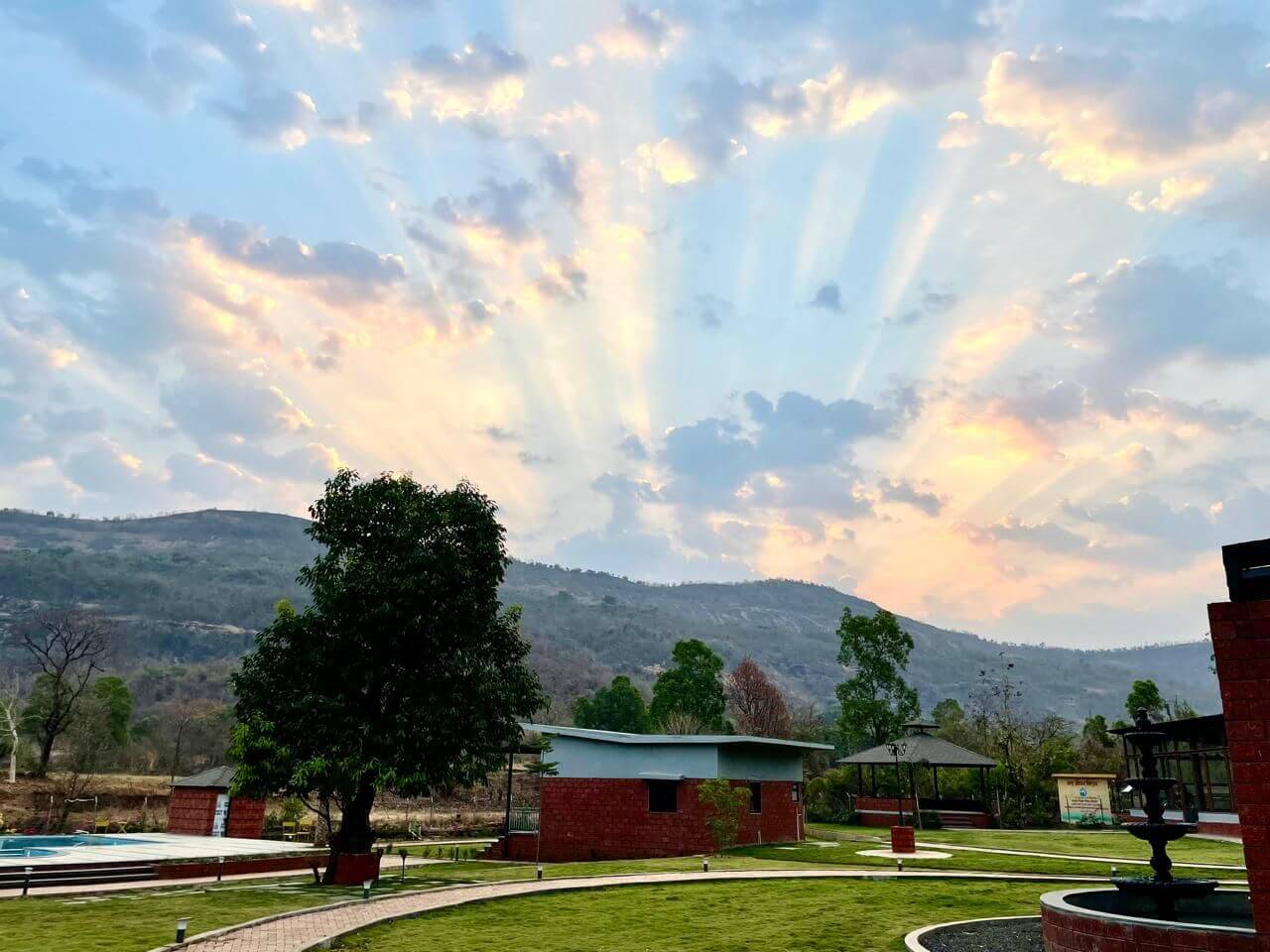
A private residential estate in the Sahyadri hills — the environment is part of the treatment, not a backdrop to it.
The pillars of real recovery
Schizophrenia recovery is built on more than medication. These are the evidence-based components we combine, around each person and their family.
Antipsychotic medication
The foundation of treatment — reducing hallucinations and delusions. A psychiatrist finds the right medication and dose, carefully monitored over time.
CBT for psychosis
A specialised form of CBT that helps a person make sense of their experiences, reduce distress from symptoms, and build practical coping strategies.
Life-skills coaching
Rebuilding everyday abilities — self-care, routine, managing medication, cooking — through guided coaching that restores confidence and independence.
Structured daily routine
Calm, predictable days with regular sleep, activity and rest give stability to a mind recovering from psychosis — and reduce the risk of relapse.
Group & peer support
Connection with others in recovery breaks the deep isolation schizophrenia causes — rebuilding social confidence in a safe, understanding space.
Family psychoeducation
Families who understand schizophrenia and how to respond dramatically improve outcomes. We equip them with knowledge, warning signs and coping plans — through family sessions.
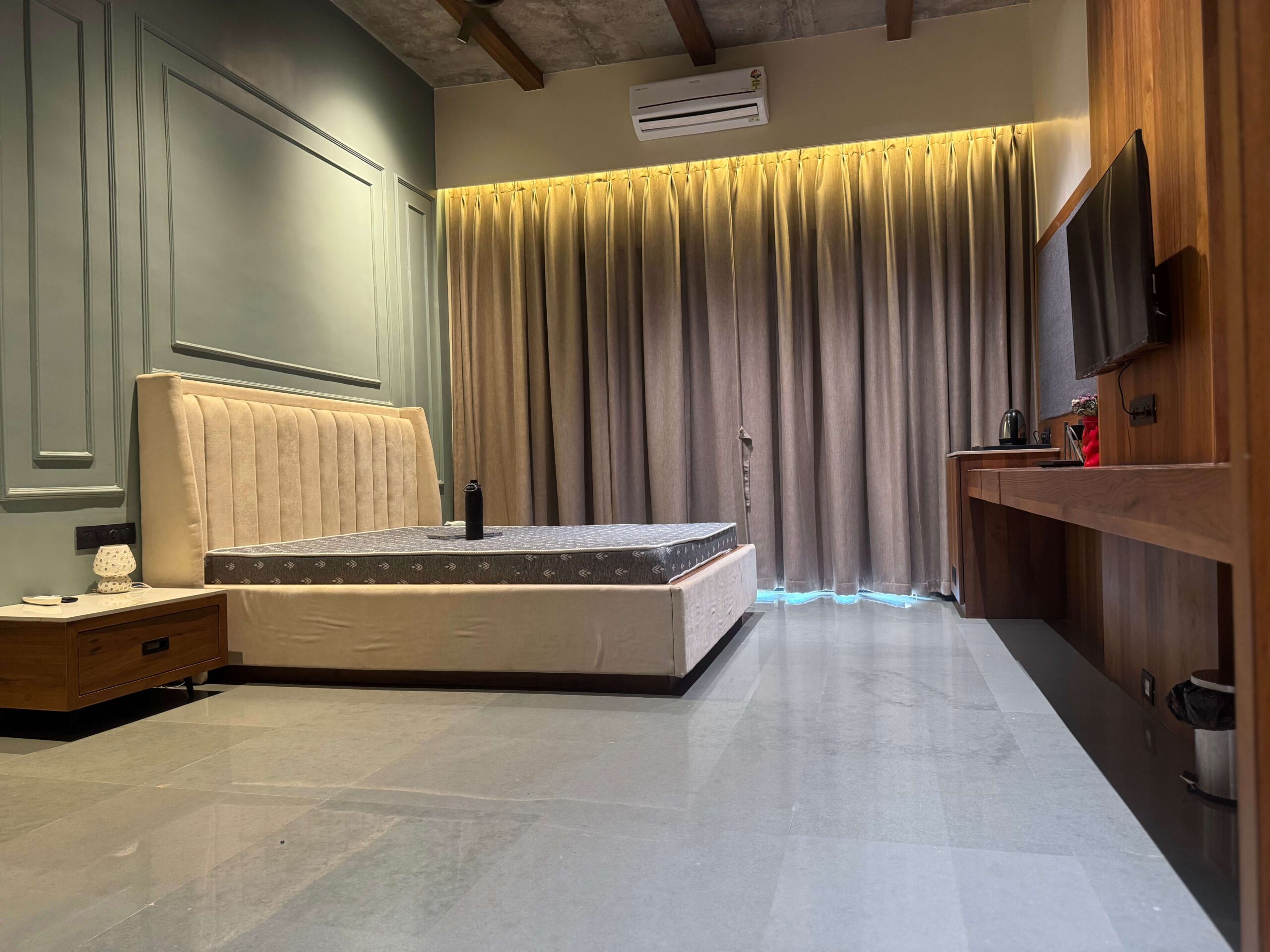
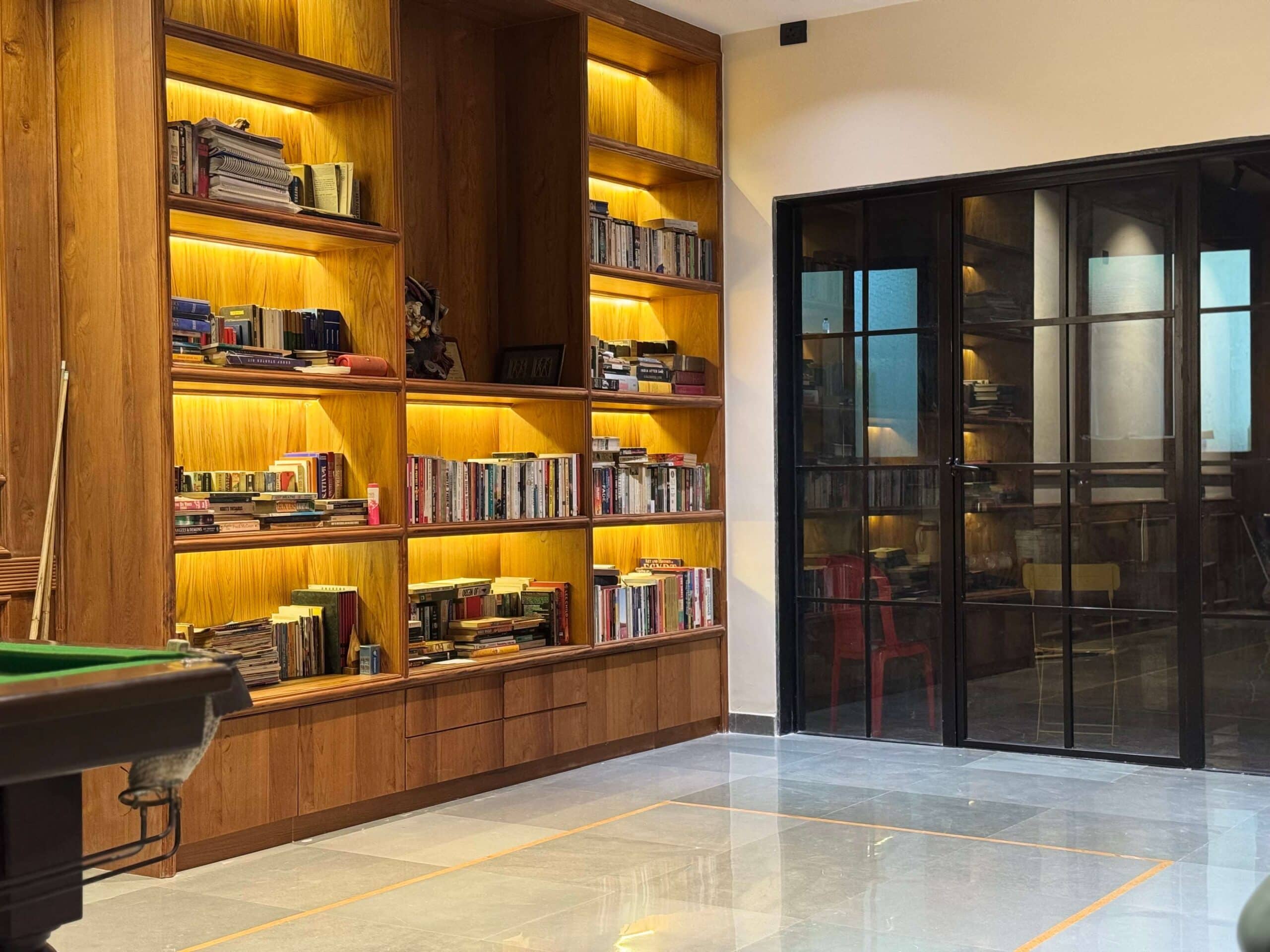
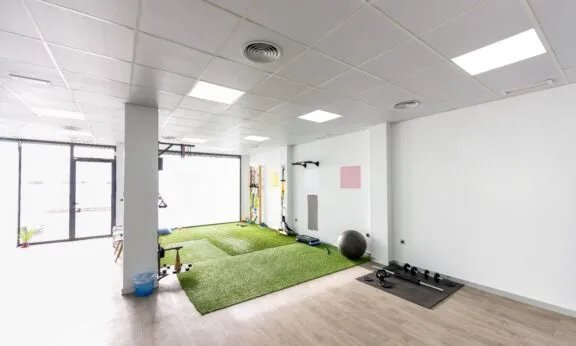
A calm, safe place to recover
Recovery from psychosis needs calm and safety. Private rooms, open green space and quiet, structured days give the steady, low-stress environment healing depends on.

Living with it vs. treating it
Left untreated, psychosis tends to worsen and recovery becomes harder. Treated early and consistently, most people stabilise and rebuild meaningful lives. This is the difference care makes.
- Psychotic episodes recur and intensify
- Withdrawal deepens into isolation
- Work, study and relationships fall away
- Repeated hospital admissions in crisis
- Recovery becomes harder the longer it waits
- Hallucinations and delusions ease and settle
- Clearer thinking and steadier daily function
- Independence and self-care are rebuilt
- Early warning signs caught before relapse
- A meaningful life — work, relationships and hope
Medication-only vs. integrated, family-centred care
Too often, schizophrenia is treated with medication alone — and recovery stalls. Real recovery needs more. These are the differences integrated care makes.
Integrated, family-centred care
Recovery stories, in their own words
Some journeys are best heard from the people who lived them. Real stories from people and families who found recovery and hope with ZorbaCare.
After losing his wife suddenly, he struggled with alcohol addiction as a way to cope with grief. But over time, he chose to face his pain, seek support, and rebuild his life.
How does a normal working person end up homeless addicted to drugs. That is what happened to me.
I have lost my love, my job, my family, everything because of my addiction. I thought I would never heal, but now i am more than a year sober.
Started in college as a fun activity from beer to regular frequency drinking. From a life that i loved to out of control drinking.
If someone you love needs help, start here
When early signs appear, acting quickly matters most — early care is the strongest predictor of recovery. From your first call, the process is clear, confidential and compassionate, from anywhere in India.
One confidential call
Whether you are the person affected or a worried family member, tell us what you are seeing. We listen without judgement and explain how we can help.
Thorough assessment
A psychiatrist assesses carefully, rules out other causes, and builds an integrated treatment plan — medication, therapy, life-skills and family support.
We arrange everything
Admission is confirmed and the whole journey is arranged door to door — travel, timing and settling in, all handled for you.
Treatment begins
Your care team takes over from the moment you arrive — with family kept informed and involved throughout.
If there is any risk to life, act now. For thoughts of self-harm or suicide, call Tele-MANAS on 14416 (24×7) or reach us directly — please do not wait.
Schizophrenia care led by qualified psychiatrists
Your care is directed by experienced psychiatrists and clinical psychologists — accurate diagnosis and integrated, compassionate treatment depend on that expertise.

Trusted by families across India
Real words from people who completed the programme with ZorbaCare. More than 250 five-star reviews on Google.
Our family is deeply grateful to ZorbaCare for the care and support they provided throughout our loved one’s recovery. The team was compassionate, professional, and always approachable. Dr. Sayantani Mukherjee ensured that every stage of treatment was clearly explained. Recovery coaches Sandy and Mel provided constant motivation, while psychologist Shamika helped address the emotional challenges behind the addiction. The positive changes have been remarkable.
Recovery is never easy, but my four months at Zorba gave me a strong foundation for a healthier and more positive future. I am grateful for the guidance, support, and encouragement I received throughout my stay. I would highly recommend Zorba to anyone seeking professional help for addiction recovery. Thank you, Zorba, for helping me start a new chapter in my life. 🙏
Zorbacare truly changed my life. The care, support, and guidance I received throughout my recovery journey were exceptional. The staff is compassionate, professional, and genuinely committed to helping people rebuild their lives. I am grateful for the positive impact they have had on me and my family. Thank you, Zorbacare, for giving me a new direction and a fresh start.
It has been 17 months now, i have been sober because of them and they still take regular updates and check ins. Can’t thank them enough specially Sandeep sir. They have been there for me in ways i couldn’t believe. I stayed there for 3 months and still being a part of AA and their aftercare program. They have become a family now.
Related conditions we care for
Psychosis can occur with mood disorders or substance use, and needs careful differential diagnosis. We treat the whole picture. Explore related conditions.
Bipolar Disorder
Bipolar with psychotic features can resemble schizophrenia. Accurate diagnosis is essential.
Learn more → ConditionTrauma & PTSD
Unresolved trauma often underlies depression. We treat the root, not just the symptom.
Learn more → ConditionBipolar Disorder
Low phases can look like depression. Accurate diagnosis is essential to treat it right.
Learn more → ProgrammeDual Diagnosis
When depression drives alcohol or drug use, we treat both together — the missing piece.
Learn more →The programmes behind your recovery
Depression is treated within our wider clinical programmes. Explore the levels of care that support it.
Residential Care
Immersive, structured treatment in a calm setting — ideal for moderate to severe depression.
Learn more → Level of CareDual Diagnosis
Integrated treatment for addiction alongside depression, anxiety or trauma.
Learn more → Continuing CareAftercare & Alumni
Relapse prevention and lifelong community support after the programme ends.
Learn more → SupportFamily Programme
Structured therapy and guidance so families heal alongside their loved one.
Learn more →Common questions about schizophrenia
Honest answers to what people most often ask us. Anything else — just reach out.
No — this is one of the most harmful myths. The large majority of people with schizophrenia are not violent, and are in fact far more likely to be harmed by others than to harm anyone. Films and headlines exaggerate a rare exception into a false rule. What people with schizophrenia actually need is not fear but understanding, treatment and support — which is exactly when they do well.
The earliest signs are easy to miss because they look like “a phase”: social withdrawal, dropping out of work or study, reduced motivation and self-care, disturbed sleep, and increasingly odd beliefs or suspicion. Later signs include hearing voices, fixed unusual beliefs and disorganised speech. If these appear — especially in a teenager or young adult — do not wait. Early treatment is the single strongest predictor of a good recovery.
Recovery is real, though it looks different for different people. Around a third of people achieve significant recovery; for some, full remission is possible, while others manage milder ongoing symptoms well with treatment. “Recovery” means living a meaningful life — working, having relationships, enjoying things — even while managing a long-term condition. The keys are early treatment, staying on it, and good family support.
Antipsychotic medication is usually a long-term part of staying well, and it is what keeps symptoms controlled. Stopping it — especially suddenly — is the most common cause of relapse. Side effects are real but manageable: a good psychiatrist adjusts the medication and dose to balance benefit against side effects, and modern options are better tolerated than older ones. Never stop or change medication without medical advice; do it in partnership with your doctor.
Your support genuinely changes outcomes. Learn about the illness, and let go of blame — you did not cause it. Stay calm and non-judgemental, don’t argue with delusions but don’t pretend to share them either, and gently support treatment and routine. Learn the early warning signs of relapse together. Look after your own wellbeing too — caregiver burnout is real. Family psychoeducation, which we provide, gives you the tools and confidence to help. In a crisis, call Tele-MANAS on 14416.
It depends on the level of care. Ongoing outpatient management — psychiatrist reviews, medication and therapy — is the long-term mainstay; residential care is priced by programme and length of stay, and helps during an acute episode or for stabilisation and rehabilitation. Under the Mental Healthcare Act 2017, mental health has insurance parity — worth checking your policy. We give a clear, written breakdown before you commit to anything.
Completely. Confidentiality is central to how we operate, from the first call through admission and aftercare. For many families, that anonymity is the main reason they choose to travel for treatment.
Schizophrenia & mental health care across India
Our mental health and rehabilitation programmes serve every major Indian city. Wherever you are, admission and travel are fully coordinated for you.
Sources & A Note On Safety
- World Health Organization, schizophrenia fact sheet; Gururaj G, et al. National Mental Health Survey of India, NIMHANS; SCARF first-episode psychosis research.
- Gururaj G, et al. National Mental Health Survey of India, 2015–16. National Institute of Mental Health and Neurosciences (NIMHANS), Bengaluru.
- World Health Organization. National Mental Health Survey & NDDTC-AIIMS, India.
This page is for general information and is not a substitute for professional medical advice, diagnosis or treatment. If you or someone you love is showing signs of psychosis, please seek help from a psychiatrist early — early treatment shapes recovery. In a crisis, call Tele-MANAS on 14416 (24×7, India).